
Can a heat pump keep up in a Georgia winter
Will a heat pump keep up when it gets cold in Georgia?
Georgia winters don't stay cold for long, but there are enough nights in the 20s and 30s to make you wonder if the heat pump outside is actually doing its job or just struggling along. If most of the heat in your house comes from electricity, you want to know before the next cold snap, not during it.
Yes, a properly sized heat pump keeps up through a Georgia winter
A heat pump moves heat from the outside air into your house, and it can still pull heat out of air that feels cold to you, even down into the 20s. It loses efficiency as the temperature drops, so it has to run longer to keep the house at the same temperature. Georgia winters rarely hold in that range for more than a few days at a stretch, and most homes here are already set up to run on electric heat, so the house isn't fighting the system's natural strength. Where it falls short is sizing. A heat pump sized for your house handles the cold nights fine. One sized wrong will run constantly and still lose ground when it matters most.
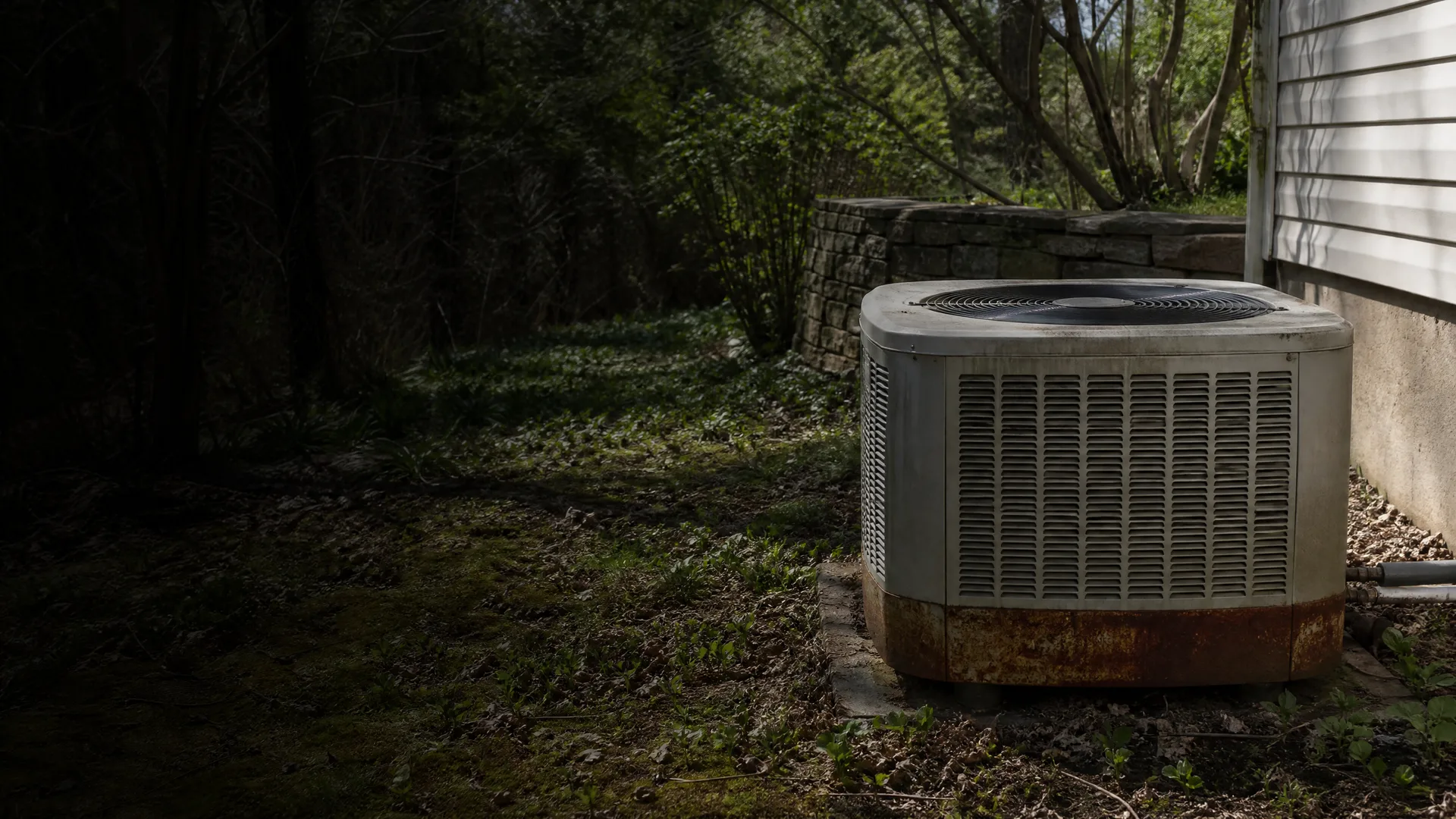
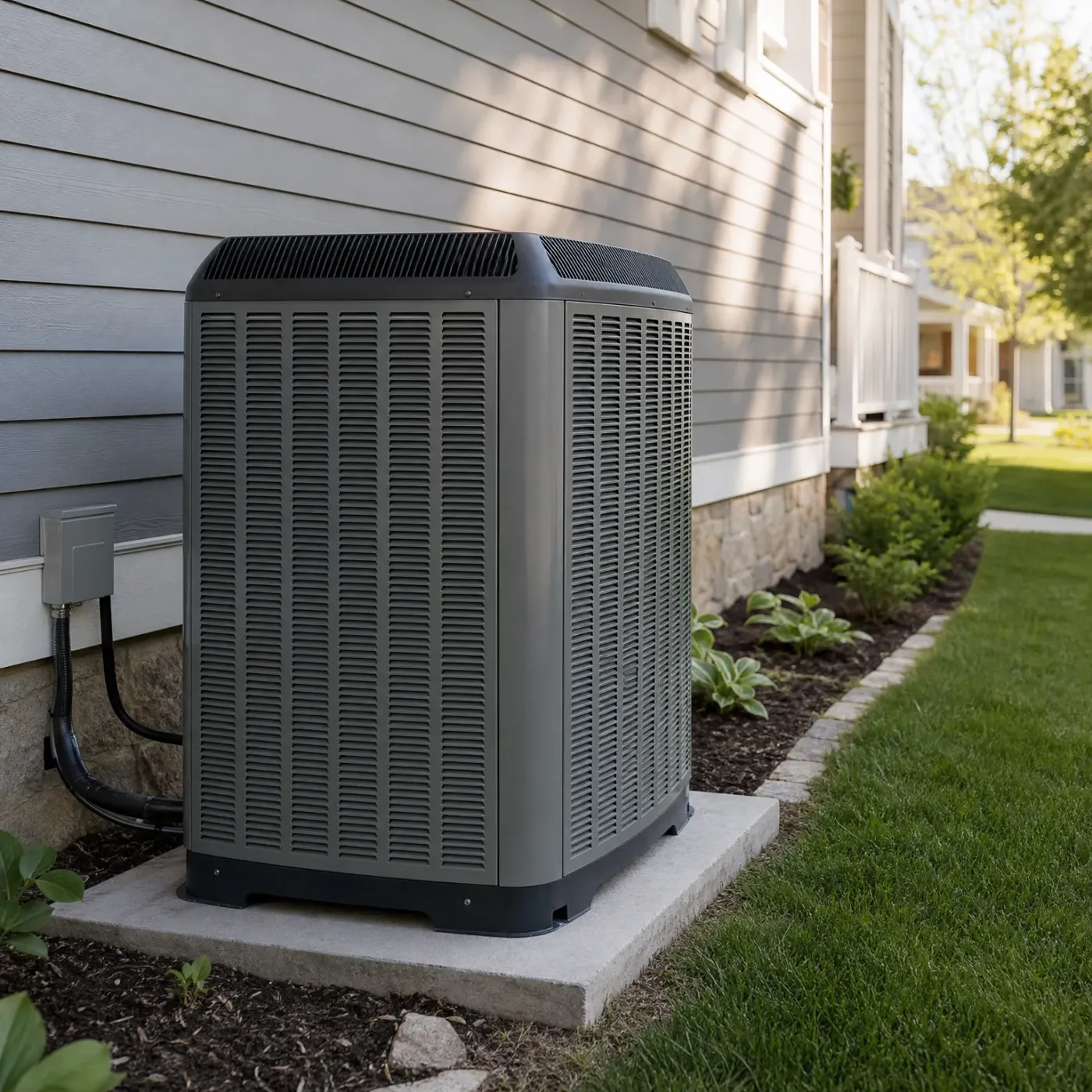
You walk out to the side yard in March to coil up the garden hose and you see it, the old heat pump sitting there with rust creeping along the base. It made it through another winter, but the cabinet is thinner at the bottom than it was a few years back. You crouch down and press a thumb against the metal near the corner and it gives a little more than you expect. The unit is still running, still blowing warm air on the cold mornings that got down into the 20s this year, but you find yourself wondering how many more Georgia winters it has in it before rust wins out over the compressor inside.
Heat Pump Alone or With Backup
Heat pump alone
- A heat pump pulls heat from outside air even when it's cold, but the colder it gets, the less heat there is to pull.
- Most units start losing real capacity somewhere in the 30s and 40s, so on those nights it may run longer to hold the same temperature.
- When the outdoor coil drops below freezing, the unit goes into defrost and runs cool air briefly while it clears the frost.
- Below a certain point the system leans on backup electric strips to make up the difference, and that's where the power bill moves.
- A heat pump sized right for your house will still cover most of a Georgia winter on its own, since the coldest nights are the exception, not the rule.
- An older or undersized unit shows its age exactly on those cold snaps, running long cycles and never quite catching up.
Heat pump with backup
- Electric strip heat sits inside the air handler and kicks in automatically when the heat pump can't keep the house at temperature by itself.
- It's instant heat with no efficiency to speak of, so it's built to cover short cold snaps, not to run all winter.
- Since most homes here already heat with electricity, backup heat means the whole system stays electric, with no second fuel to manage.
- A thermostat set correctly won't call for backup heat unless the heat pump actually falls behind, so it's not running constantly in the background.
- On the handful of nights that dip into the 20s, backup heat is what keeps the house comfortable while the heat pump struggles to pull enough from the cold air.
- If backup heat is running often rather than occasionally, that points to the heat pump being undersized or losing capacity, not to how the backup itself works.




Get the right pro for your heat pump
A heat pump that struggles on the coldest nights isn't necessarily broken. It might just be sized or set up wrong for what Georgia winters actually ask of it. Backup heat strips, a thermostat that switches over too early or too late, a unit that was never matched to the house, any of these can leave you with cold air blowing on a 28 degree morning even though nothing has failed. Sorting that out means someone looking at your actual system, not guessing from a model number. A contractor who installs heat pumps for a living can tell you whether yours is working the way it should or whether the setup itself is the problem, and whether it's worth adjusting versus replacing. You don't have to figure out which one it is on your own. Send the request and let someone who does this for a living take a look.
How a heat pump pulls heat
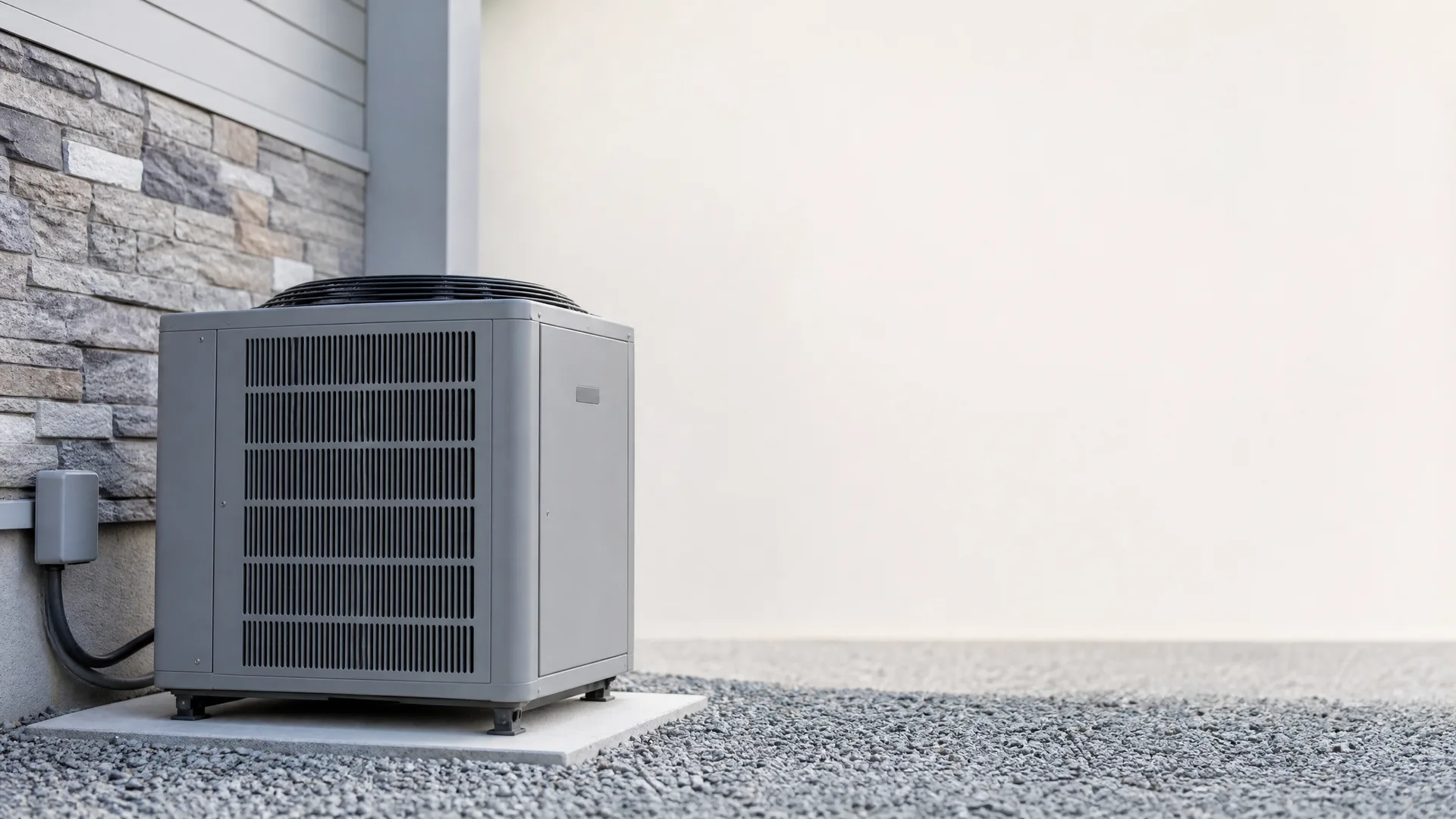
A heat pump doesn't make heat the way a furnace does. It moves heat from the outside air into your house, using a compressor and refrigerant to do it. That works fine down into the 40s and 30s. Below that, the outdoor coil has to work harder to pull the same amount of heat out of air that has less of it to give. The unit isn't broken when it slows down there. It's doing what the design asks of it, just with less to work with.
Why backup heat exists
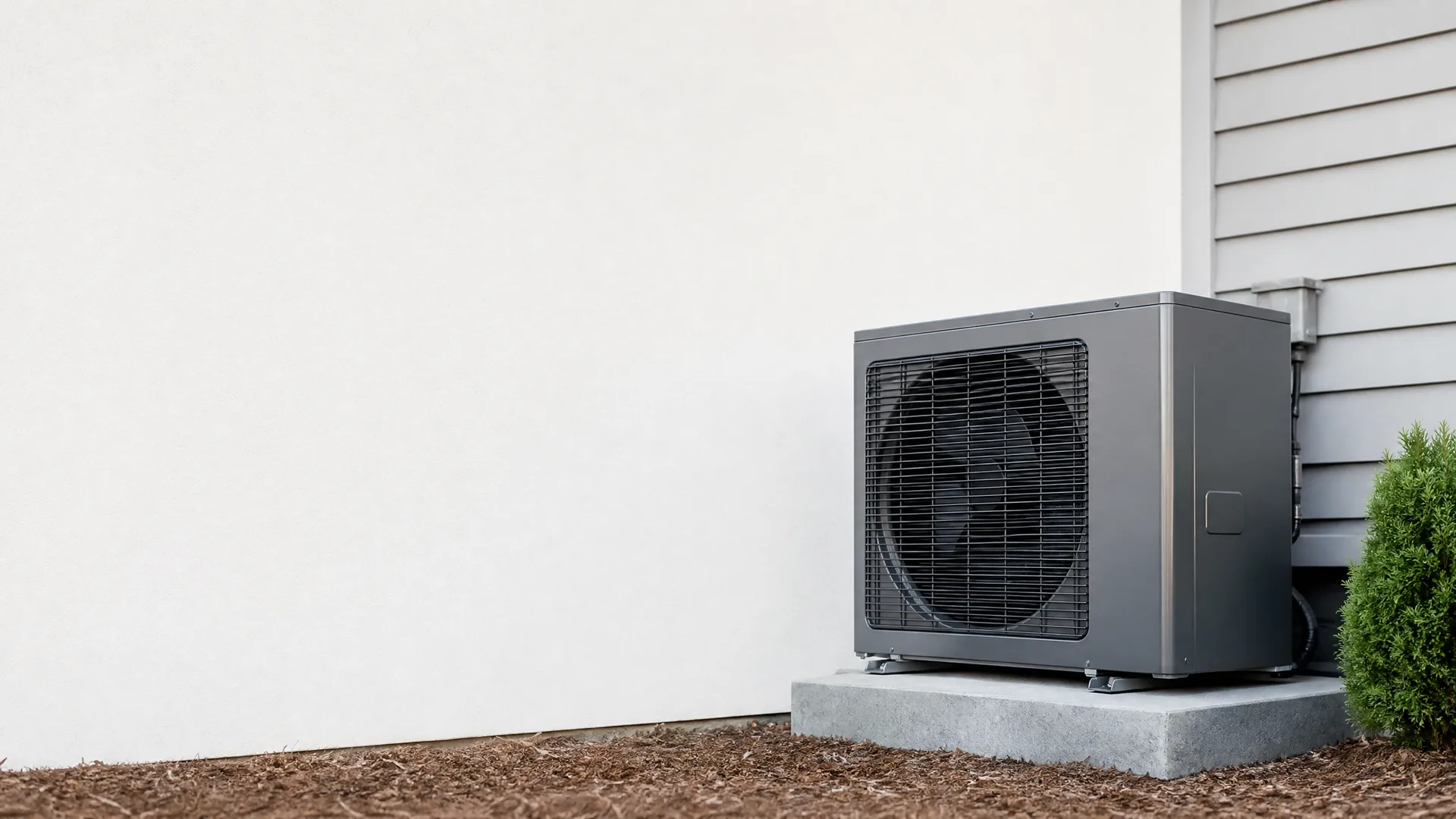
Most heat pump systems installed in Georgia come with electric heat strips built in for exactly this reason. When the outdoor temperature drops low enough that the heat pump can't keep the house at the set temperature on its own, the strips kick in to cover the gap. They use more electricity than the heat pump alone, which is why a system running on strip heat a lot will show up on the power bill. A thermostat set up correctly brings them in only when needed, not as the default.

What the thermostat is actually deciding
Most heat pump thermostats here are set up with a second stage, usually electric strips, that kicks in when the outdoor unit can't keep up on its own. The thermostat watches the gap between the temperature you set and the temperature in the house. When that gap gets too wide, or when the outdoor coil can't catch up fast enough, it brings the strips on to help. Done right, you barely notice it happen. Done wrong, the strips come on too early and run every cold morning whether the heat pump needed the help or not.
That balance point, the outdoor temperature where the heat pump stops being enough on its own, depends on the size of the unit and how the thermostat is programmed, not just on how cold it gets outside. Two identical houses on the same street can have that threshold set ten degrees apart. If you've never had someone check where yours is set, a contractor who looks at your system can tell you whether it's tuned for what your winters actually do, and you'd be hearing it from someone matched to your house, not guessing at it yourself.

That same heat pump works in reverse all summer, and the air it's pulling in off the coil tells you how hard it's working. Averaged across Georgia summers, the dew point sits at 68°F, according to NOAA climate data, which is the kind of air that feels wet even standing still. A heat pump has to wring that moisture out before the house feels right, and that's extra work on top of just cooling the air down. On the muggiest days you'll notice the unit running longer stretches rather than cycling on and off, and the system that was sized and installed to handle Georgia winters needs to handle this load too.
NASA POWER T2MDEW county cells weighted by homes


A heat pump can keep a Georgia house warm through winter, as long as it was sized and set up for what those cold nights actually demand. The ones that struggle on the 20-degree mornings are usually undersized, poorly matched to the backup strips, or set up with a thermostat that switches over at the wrong point. That's a setup problem, and setup problems get fixed by someone who checks the sizing, the staging, and the controls against what your house needs, not by hoping next winter is milder. If you're not sure where yours stands, the way to find out is to have someone look at it who knows what to check. Send the form and that part stops being yours to figure out. A contractor who works on heat pumps in Georgia will take it from there and reach out about what they're seeing and what it would take to fix it. You keep the house running the way you have been. You just stop carrying the question alone.
A pro who works on heat pumps
One request ends the search for a heat pump installer.
No fee to send it, and nothing to sign.