

Is a cold-climate heat pump worth it in Georgia

A local installer who puts in heat pumps gets your project.

Find a pro near me

Is a cold-climate heat pump worth it in Georgia?

You keep up with your house and you've heard cold-climate heat pumps hold their heat output better when it's cold out. You already run a heat pump, and most homes around you heat with electricity too, so you're wondering if upgrading to a cold-climate model is money worth spending in a state where winters don't get that hard in the first place.

For most Georgia homes, no, a standard heat pump does the job

Cold-climate heat pumps are built to keep producing heat at outdoor temperatures well below freezing, down near zero. Georgia winters rarely ask that of a system. A standard heat pump here can usually carry the house on its own through the nights that do get cold, with backup heat stepping in only on the handful of coldest mornings. Since most homes in the state already heat with electricity, you're not weighing a switch away from gas. You're weighing one electric heat pump against a pricier one built for a climate colder than yours. Where a cold-climate unit earns its keep is less about the cold and more about how well it handles summer humidity, which is worth asking about when you're looking at a new system.

A gray outdoor condenser unit on a concrete pad beside a light-green sided house, surrounded by mulch, ornamental grasses and a shrub, with mowed lawn in the foreground.

A heat pump holding up

Clean fins, clear airflow, nothing blocking the coil. A unit kept like this pulls heat out of the cold air without straining, even on the handful of nights Georgia drops near freezing. You get steady warmth and a power bill that matches what the equipment is rated for, not one working against itself.


A gray outdoor air conditioning condenser unit on a concrete pad beside a house with light vinyl siding, with a gray electrical disconnect box and conduit on the wall to the right.

A heat pump losing ground

Dirt packed into the fins chokes off airflow before the coil ever gets to work. A cold-climate compressor can only hold its output if the outdoor unit can breathe. When it can't, it runs longer for less heat, and on the coldest mornings it may lean harder on backup electric strip heat than it should.

Standard vs. Cold-Climate: Which Fits Georgia

Standard heat pump

  • Holds its rated output until the air outside drops into the 30s, which covers most of a Georgia winter.
  • On the rare nights near freezing, output falls off and the backup electric strips pick up the difference.
  • Those strips run on straight resistance heat, so the bill climbs on the nights they're working hardest.
  • Costs less to install than a cold-climate model with the same cooling capacity.
  • Georgia's muggy summers are the bigger workload for this equipment, and a standard unit handles that side just as well.

Cold-climate heat pump

  • Keeps closer to its full heating output as the temperature drops, so it leans on backup heat strips less often.
  • Built with a compressor that can ramp up output in cold air instead of just cycling on and off.
  • Most winter nights in Georgia don't get cold enough to show much difference from a standard unit.
  • Costs more up front, and that difference is harder to earn back where freezing nights are the exception, not the rule.
  • Still cools a Georgia summer the same way a standard heat pump does, since that's not what the cold-climate rating changes.
A white outdoor heat pump unit on a concrete pad beside a house with wood-slat siding and a large plain light-colored stucco wall, with paving stones in the foreground.

How a heat pump makes heat

A heat pump does not burn anything to make heat. It pulls heat out of the outside air, even cold air, and moves it inside through the refrigerant in its coil. Below a certain outdoor temperature, that process takes more work to pull the same heat out, so a standard unit leans on backup electric strips to cover the gap. A cold-climate model keeps pulling heat from the air at lower temperatures before it needs that backup.

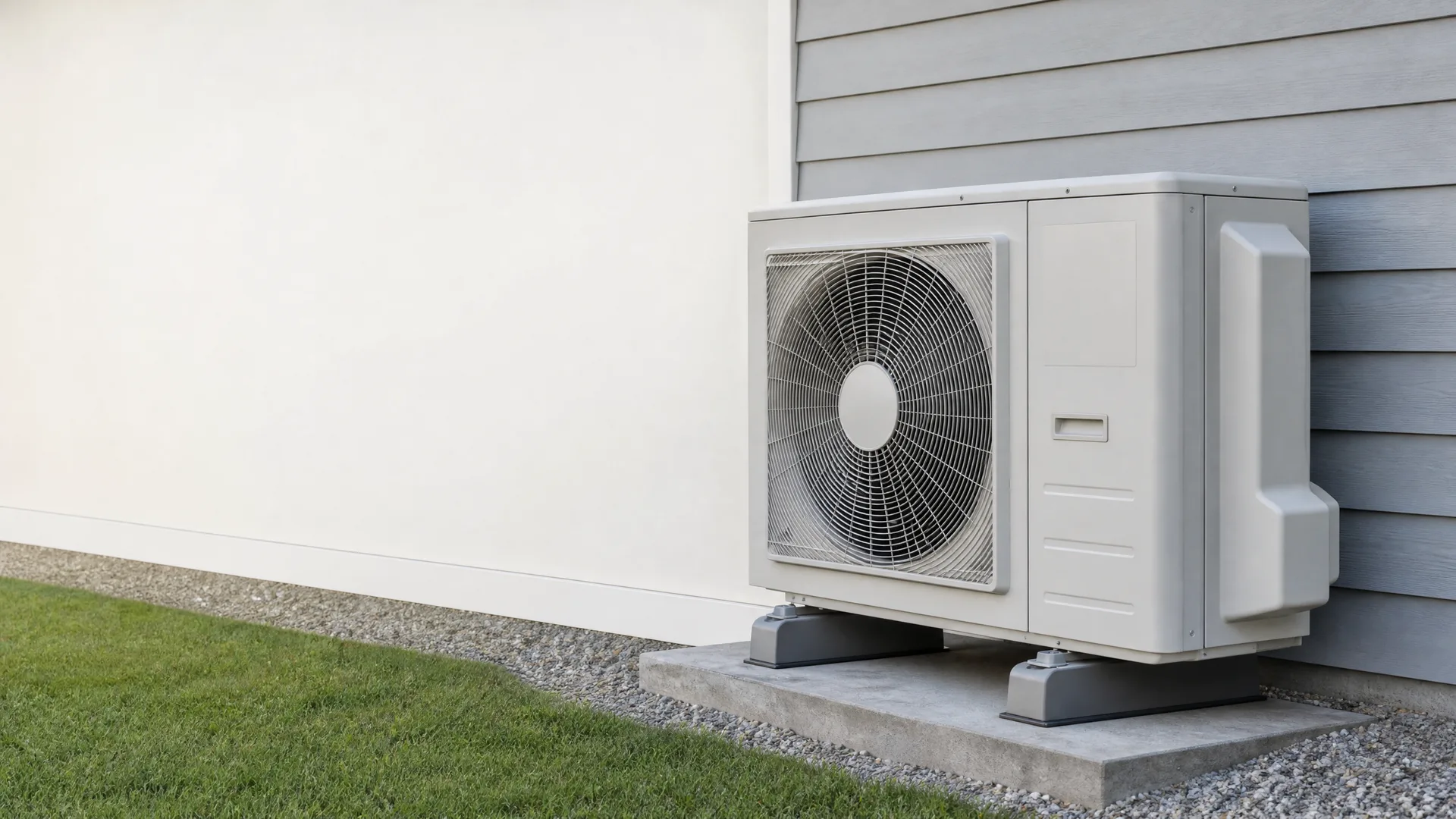
A white outdoor heat pump unit on rubber feet sits on a concrete pad beside a gray-sided house wall, next to a smooth light wall, gravel strip and lawn.

Why the coil matters most

The outdoor coil is where that heat transfer happens, and it only works as well as the air can move through it. Dirt, pollen, and grass clippings sit on those fins all summer in Georgia, and a blocked coil makes any heat pump, standard or cold-climate, work harder for the same warmth. Keeping that coil clear matters more here than the model number, since the unit still has to pull its heat from humid air most of the year.

Power costs 14.74 cents per kilowatt-hour statewide

At 14.74 cents per kilowatt-hour, every strip of backup heat your system leans on shows up on the bill. A cold-climate model limits how often those strips fire, so on most winter nights here, your electric rate stays a number you don't have to think about.

EIA-861 2025 statewide residential average

An older man with gray hair and a beard stands in a dimly lit entryway wearing a dark hooded coat dusted with snow, with a lit table lamp, framed picture, and front door with glass panels behind him.
An older man with gray hair and a beard, wearing a dark snow-dusted jacket and scarf, stands smiling in a dimly lit entry hall with a lamp, wooden front door and staircase behind him.
A gray-haired bearded man in a dark coat with snow flecks on the shoulders stands just inside a dimly lit home entryway, with a lamp, framed pictures, sofa and candle-style lights in the background.
An older man with gray hair and a beard, wearing a dark coat and scarf dusted with snow, stands in a warmly lit home entryway with an arched doorway, lamps, and a living room visible behind him.

A local pro for your heat pump installation

One installer gets your project, so there's no bidding war over it.

Asking costs nothing, and the choice to hire stays yours.

What a cold snap would cost you now

Georgia doesn't stay near freezing for long, but when it does, a standard heat pump leans on its backup strips to make up the difference. You'd feel it as a run of mild, electric-smelling warmth from the vents instead of the steadier heat the system makes on its own, and you'd see it on the next bill as a jump tied to those few nights. A cold-climate model keeps pulling most of its heat from the outdoor coil through that same stretch, so the strips stay off longer. If you track your usage month to month, that's the kind of spike a cold-climate unit is built to avoid.

What keeping the house up looks like here

You already know to keep the coil clean and the airflow clear, and that upkeep matters more with a cold-climate heat pump because it's doing more of the work on the cold nights a standard unit would hand off to backup heat. A system that's pulling its weight down into the 20s is a system worth having checked before it has to prove itself. If the one you have now was installed with the house, it's worth finding out whether it's a cold-climate model or a standard one, since that's not something you can tell by looking at the outdoor unit.

A woman wrapped in a thick fleece blanket sits on a sofa holding an open book, beside a lit table lamp and a frost-covered dark window.
A woman with graying hair in a loose bun wearing a beige knit sweater sits in a dimly lit kitchen, looking off to the side, with a round loaf of bread in the foreground and lit candles near a dark window.

Where this leaves you

  • A cold-climate heat pump holds its heat output through the handful of nights Georgia dips near freezing, which is where a standard unit falls back on backup strips.
  • Georgia winters rarely stay cold long, so the difference between the two shows up on a few nights a year, not all season.
  • Most homes here already heat with electricity, so the gain is in how little that electricity you use on those cold nights, not whether you use it.
  • A licensed local contractor who services heat pumps all year knows which models hold their output in Georgia's climate and which ones lean hard on backup heat.
  • Matching you with one contractor, rather than several, means a single company familiar with this equipment handles your case from the start.
  • Keeping the system running the way it's rated to is what protects the bill you already have, not a new one you'd have to learn.

A cold-climate heat pump earns its keep on the handful of nights your area dips near freezing, not on the rest of the winter. For most of the season, a standard heat pump already does the job. The difference shows up when it's coldest, in how much backup strip heat your system needs to keep the house warm, and backup strip heat is what costs more to run at 14.74 cents per kilowatt-hour. Since most homes around you heat with electricity already, that's the number worth paying attention to, not whether you're using electric heat but how much of it a cold night pulls from the strips.

Whether the upgrade makes sense for your house depends on your current unit, your ductwork, and how it's held up so far, and that's a call worth making with someone who looks at your system directly. A contractor who services heat pumps through every Georgia winter has seen which models keep their output when it's cold and which ones lean on backup heat more than they should. You'd be matched with one contractor, local and licensed, not a handful of companies competing for the job. That means one company that knows this equipment handling your case from the start, with a clear look at what you have and what, if anything, is worth changing.

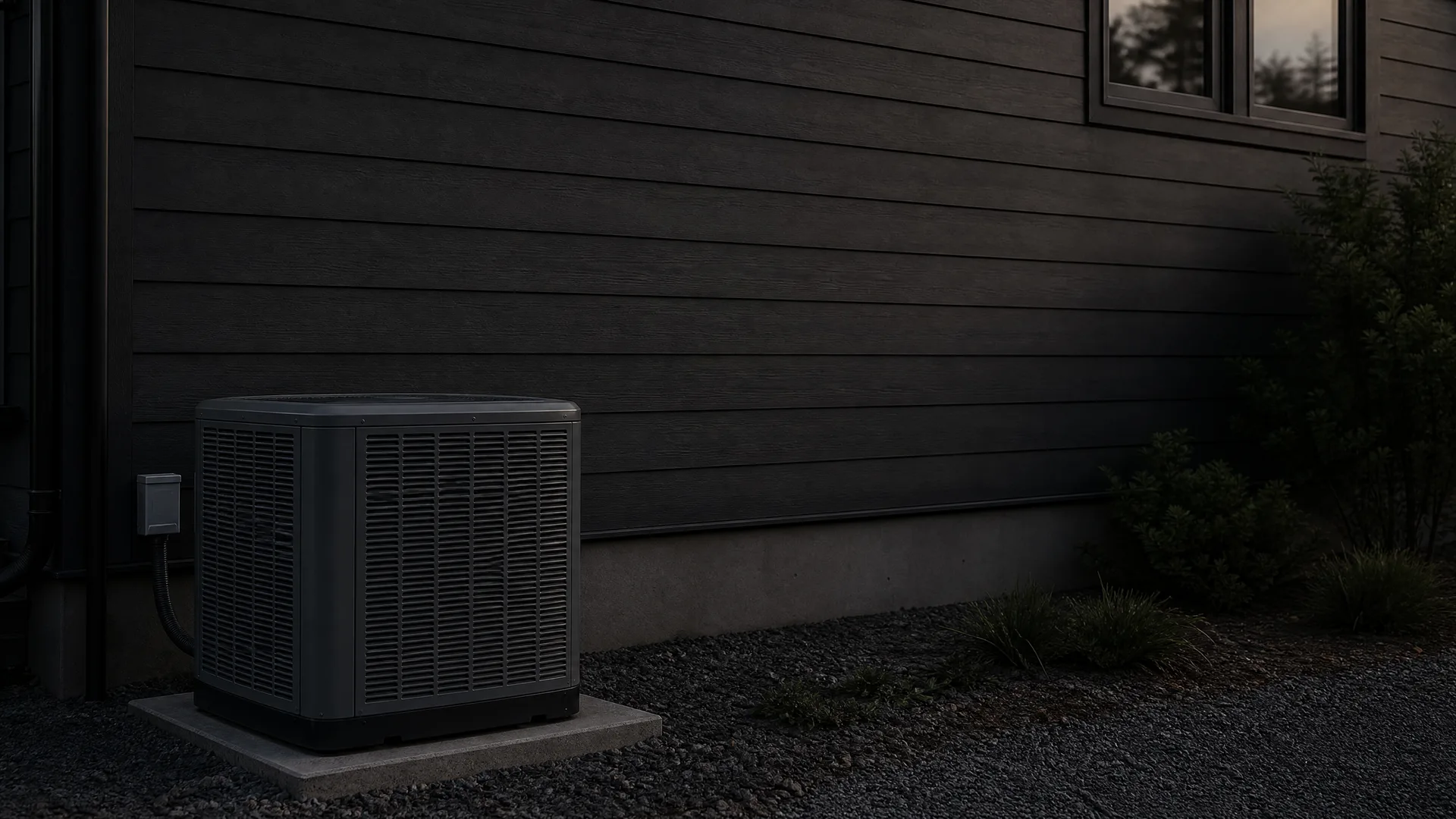
An outdoor condenser unit on a concrete pad beside a dark horizontal-lap-sided house, with gravel, shrubs and a small electrical disconnect box on the wall, in dim light.

Get the right pro for your heat pump

The pro who reaches out is licensed in Georgia.

New system or replacementHeat PumpGeorgia
Step 1 of 2

What ZIP code is the job in?