

How long heat pumps last in Georgia
Describe your heat pump job, and a local pro who handles it gets in touch.
Get matchedHow long do heat pumps last in Georgia?
Your heat pump keeps the house comfortable through muggy summers and the mild cold snaps Georgia gets, and it runs most of the year since it handles both. You want to know what to expect before it starts struggling or the repair bills pick up, so you can plan ahead instead of getting caught by a system that quits in July or January.
Most heat pumps in Georgia last 10 to 15 years
A heat pump works harder in Georgia than it does in milder climates because it runs almost year round, covering both the cooling side in summer and the heating side the rest of the year. That steady use wears on the compressor and the outdoor coil faster than a system that only runs part of the year. Fifteen years is possible with a unit that was sized right for the house and kept clean, but many start losing efficiency and needing more frequent repairs closer to the 10 year mark. If your heat pump came with the house, it's worth finding the install date and watching for weaker airflow, higher bills, or repairs that start adding up, since those are the signs it's nearing the end rather than just having an off day.
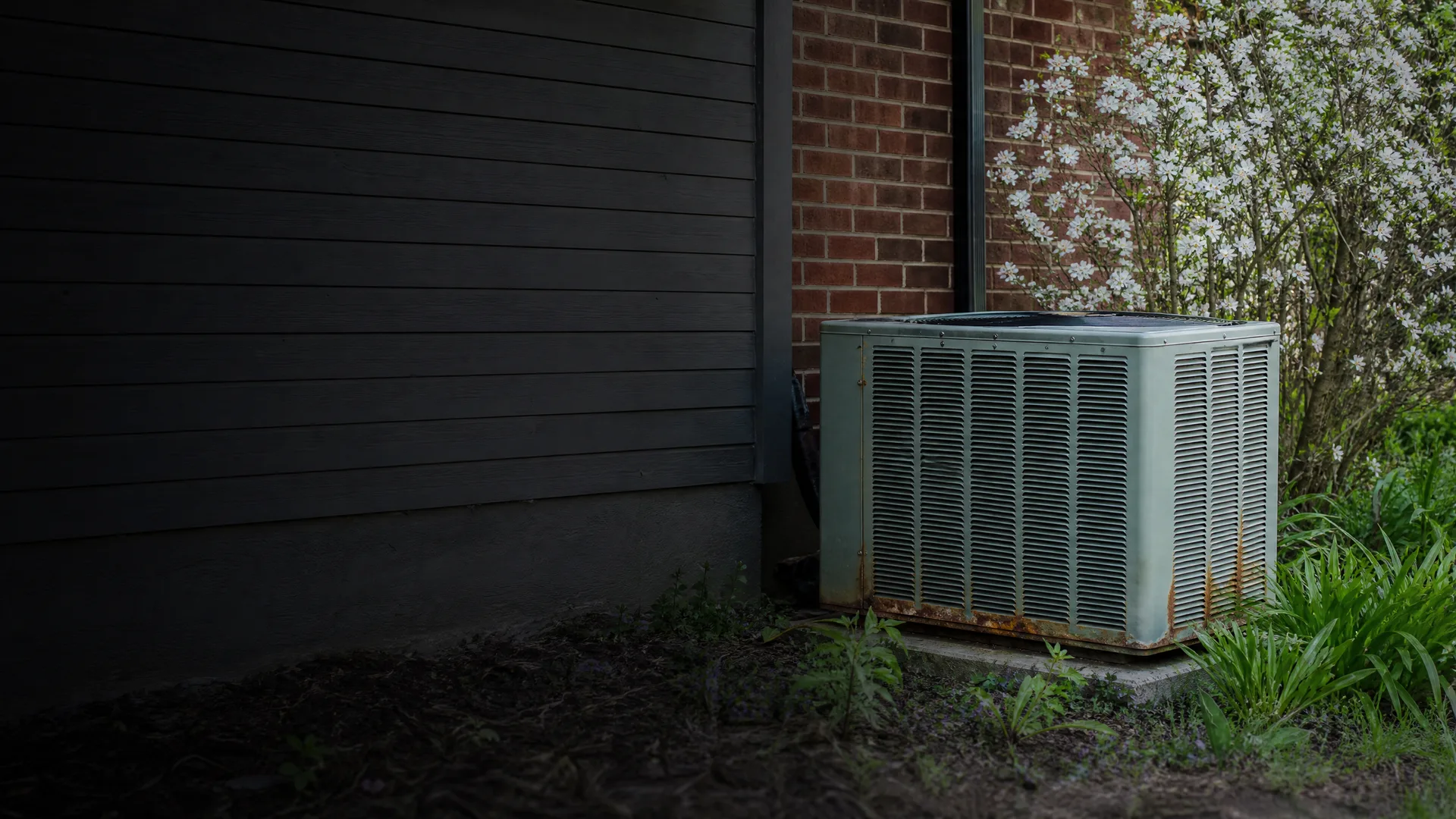
You're out in the side yard in March, coiling up the garden hose, and you catch sight of the unit sitting there against the fence. It's been running nonstop since you moved in, through every muggy August and every cold snap in between. Now you notice the rust creeping up along the base, flaking where the metal meets the concrete pad. You crouch down and press a finger near it, and a little of it crumbles off. The fan still turns fine when you flip the thermostat inside, but you stand there a minute longer than you meant to, looking at that rust line, wondering how much longer it has in it.



Summer air here holds a dew point around 68°F, based on averages for where homes sit across Georgia. That's heavy air, the kind that makes your skin feel damp before you've done anything. A heat pump has to pull that moisture out as it cools, on top of lowering the temperature, so it runs longer per cycle than it would in a drier state. Run time like that wears on the compressor over the years. If yours is cycling longer than it used to, or the house feels muggy even with the thermostat satisfied, that's worth having someone look at. Send in the form and the search for a licensed contractor isn't yours to carry anymore.
NASA POWER T2MDEW county cells weighted by homes
A local pro for your heat pump installation

Once you send the form, finding a pro is off your list.
Sending the form costs nothing.
What Your Heat Pump's Age Means
- Most heat pumps in Georgia run 12 to 15 years given how steady the workload is across muggy summers and mild winters.
- Running nearly year round instead of a few months puts more hours on the compressor than a furnace and AC split system sees.
- Dirty coils, clogged filters and a unit straining on a dying capacitor all shorten that span faster than normal wear would.
- A system past 12 years that's starting to short cycle or run longer stretches is closer to the end than the middle.
- Once you request a match, a contractor who knows these systems takes it from there and reaches out to look at yours.
Twelve to fifteen years is the range to plan around, and the reason comes down to how your system is used here. A heat pump in Georgia doesn't get an off season. It's moving heat one way through the muggy summers and the other way through the mild winters, so the compressor logs more run hours over its life than one that only handles summer cooling. That steady workload is normal, and it's exactly why these systems tend to land on the shorter end of what a heat pump can do elsewhere. What shortens it further is anything that makes the unit strain, dirty coils, a clogged filter, a capacitor that's weakening. None of those stop the system outright, but each one makes it work harder to do the same job, and that adds up faster than plain age does. If your unit is past 12 years and you've noticed longer run times or it cycling on and off more than it used to, that's not a coincidence. It's the system telling you it's closer to the end of its run than the middle. You don't have to figure out on your own whether it's worth repairing or replacing at that point. Once you send a request, a contractor who works on these systems regularly takes a look at yours specifically and tells you where it stands. That's one less thing for you to carry while you're trying to keep the house comfortable for everyone in it.

Heat Pump Installation
Get the right pro for your heat pump

- A local pro who knows heat pumps gets your details and gets in touch.
- Get in touch with a local installer about a new heat pump.

- Send the form and the search for an installer is over.
- Send the request and finding a pro stops being your problem.

- Answer a few questions instead of calling shop after shop.
- Describe your heat pump job once, to one pro.

- Your request goes to one pro, not a list of companies.
- One installer gets your project, so there's no bidding war over it.