Mini split light blinking in Columbus, GA

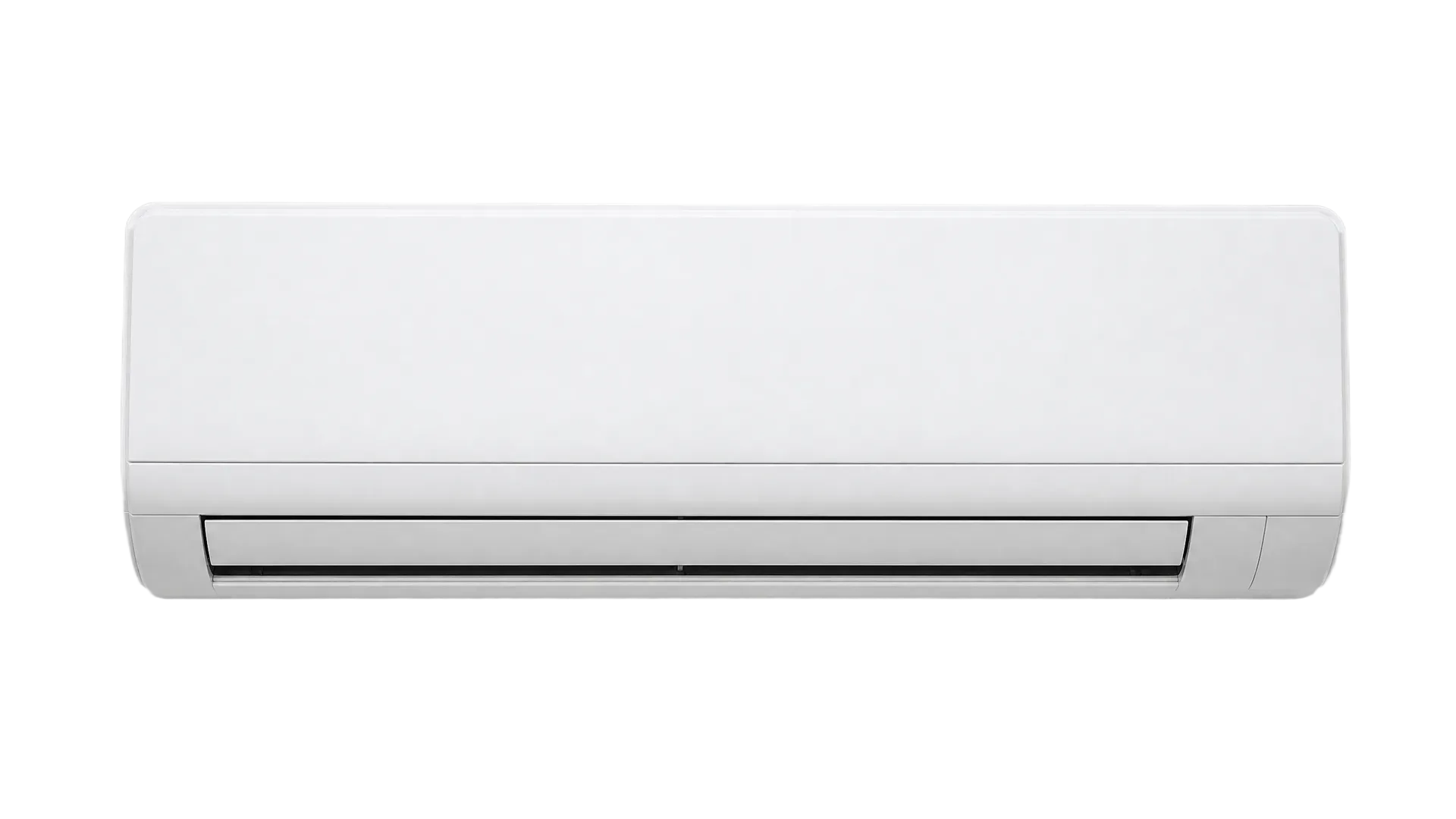
A white wall-mounted mini-split air conditioner indoor unit on a plain light gray wall.
Find a mini split pro

A blinking light on your mini split is the unit telling you something specific, not a general warning. Most brands use the blinking pattern as a fault code: the number of flashes, or a flash pattern repeated in groups, points to a cause like a frozen coil, a sensor problem, or an issue with the drain line. Some units blink simply to show the timer is set or the system is in a defrost cycle, which is normal and clears on its own. With summers in Columbus running long and muggy, these units work hard for months at a stretch, and a dirty filter or a coil that has iced over from restricted airflow is a common reason the light starts blinking in the warm months. The count and the pattern matter more than the fact that it's blinking at all, since the same light can mean something minor or something that needs a technician to open the unit and check it. Check your owner's manual or the panel on the indoor unit for what your specific pattern means before deciding what to do next.

Why does a blinking light matter so much for a mini split in Columbus?

  • Cooling runs May through September

    Cooling runs May through September. That's five months where a fault code left unread can mean days without relief from the heat.

  • Heat runs November through March

    Heat runs November through March. A mini split used for heat here needs to work right through those months too, not just summer.

  • Power here costs 15.82 cents per kilowatt-hour

    Power here costs 15.82 cents per kilowatt-hour. A mini split faulting and short-cycling instead of running normally still adds to that bill.

NOAA nClimDiv 1991-2020 · EIA-861 2025

Count the flashes yourself

Most mini splits blink the fault in a pattern you can read without a manual. Watch the light for a full cycle. Count how many times it flashes, then note the pause before it repeats. Some units use two colors, or blink the operation light and timer light together, and that combination narrows down the cause further. Write the pattern down before you call anyone. A contractor who hears "it blinks four times, pauses, then repeats" can often tell you what that unit's manufacturer assigns to that code before they ever see the unit in person.


Let a contractor read it

Some fault codes point to a clogged filter or a tripped float switch, things you can check yourself. Others point to a refrigerant leak, a failed sensor, or a compressor fault, and chasing those without the right gauges risks making the problem worse. If the blinking comes back right after you reset the breaker, or if you don't recognize the pattern from the manual, that's the point to stop guessing. A contractor who services your brand can pull the code, confirm the cause, and tell you whether it's a quick fix or a bigger repair.

A woman with long brown hair in a cream knit turtleneck sweater sits on a light sofa indoors, looking off to the side, with a shelf of plants and pottery blurred behind her.
A smiling woman with dark hair in an updo, wearing a gray ribbed turtleneck sweater, sits on a light sofa in a living room and looks off to the side.
A woman in a mustard knit sweater sits on a light-colored sofa indoors, looking toward a bright window, with a potted fiddle-leaf fig plant behind her.
A woman with long brown hair in a dark red knit sweater sits on a gray couch with cushions, smiling and looking off to the side, with a window and indoor plant behind her.

The control board inside your indoor unit is watching several things at once: the thermostat sensor, the coil sensor, the float switch. The light only blinks after the board has already made a decision about what it's seeing. A steady, unchanging blink is often nothing to worry about, just the unit sitting in defrost or standby. A pattern that repeats, flash groups with a pause between them, is the board reporting a fault. That pause matters as much as the count. Two codes can show the same number of flashes and still mean different problems if one has a short gap and the other a long one. On a lot of brands, the fault isn't just the one light. The operation light and the timer light blink together, and which one does what narrows down the cause. A clogged condensate line is one of the faster faults to show up, since the float switch trips almost as soon as water starts backing up. And the code at the indoor head doesn't always tell the full story. Some outdoor units keep their own fault memory separate from what you see on the wall.

What the Blink Pattern Tells a Tech

  • The indoor unit's control board reads signals from the thermostat sensor, the coil sensor, and the float switch before it ever lights up a fault.
  • A steady blink usually just means the unit is in defrost or standby, while a repeating pattern of flashes means the board caught an actual fault.
  • The pause between flash groups is part of the code, so a short gap and a long gap mean two different problems even if the flash count looks the same.
  • On most brands the operation light and the timer light blink together to narrow down the fault, so one blinking alone can mean something different than both together.
  • A clogged condensate line trips the float switch and the board shows that as a fault almost immediately, often within a minute of the water backing up.
  • Some outdoor units store their own fault code separately from the indoor head, so a code read at the wall unit does not always tell the whole story.
A white wall-mounted mini-split air conditioner installed near the ceiling on a beige interior wall, with a window and bamboo blind at the left edge showing green foliage outside.
A steady light with no fault pattern means the mini split is reading its sensors clean and running the way it should.
A wall-mounted mini-split air conditioner indoor unit with discolored casing and dusty vents, installed near the ceiling on a plain light-colored wall.
Dust packed into the vents and louvers blocks airflow, and a blocked unit is a common reason the light starts blinking.
  1. The thermostat sensor, coil sensor, and float switch report back to the board.

  2. The control board checks each reading against its normal range.

  3. A reading outside range trips a fault code tied to that sensor.

  4. The board sends the code to the display as a blink pattern.

Reset It or Call Someone

Reset it yourself

  • Cutting power at the breaker for a few minutes clears a fault code the board is holding and lets the unit start its checks over.
  • If the light stops blinking and stays steady after the reset, the fault was likely a one-time reading, not a failing part.
  • Cleaning the filter and clearing anything blocking the outdoor unit before you reset gives the sensors a clean reading to work from.
  • A code that comes right back after a reset means the sensor is still seeing the same problem, and a reset alone will not fix that.
  • Georgia summers put a mini split through months of steady run time, and a reset is a reasonable first step before anything else.

Call for a diagnosis

  • A float switch fault or a frozen coil code that returns after a reset points to a problem a reset cannot clear on its own.
  • A contractor can test the thermostat sensor, coil sensor, and float switch directly instead of guessing from the flash pattern alone.
  • Refrigerant charge and electrical faults need gauges and meters to confirm, tools a homeowner does not have on hand.
  • With cooling running May through September here, a code that keeps tripping is worth having checked before the heat sets in for good.
  • A contractor working on your specific brand knows its flash pattern cold, rather than matching it against a general chart.
An older woman with gray hair in a cream cable-knit sweater stands in a kitchen behind a round loaf of bread on a wooden board, with a window and shelves in the background.
A woman with her hair in a bun sits on a couch with a sleeping child resting against her, both wrapped in a cream knit blanket, with a lit floor lamp, houseplant and dark window behind them.
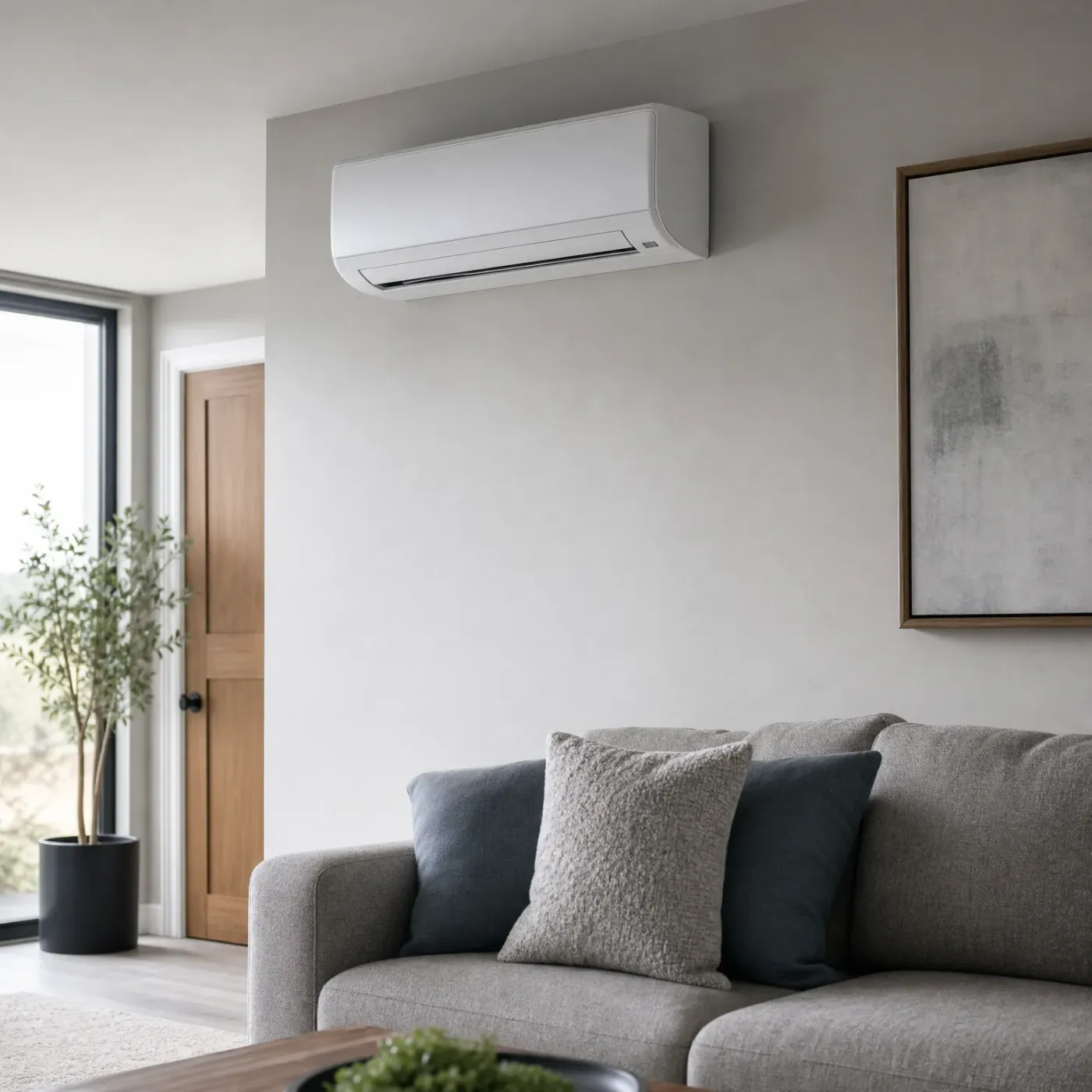
A white wall-mounted mini-split air conditioner on a light gray wall above a gray sofa with cushions, with a framed abstract artwork at right, a wooden door and potted plant at left.

Matched to your mini split job

Send it once and finding someone is no longer on you.

A Muscogee County pro who repairs mini splits gets your request.

Hand off my repair

You're not committing to anything by asking.

What are you noticing right now with your unit?

You're probably watching the indoor unit blink while the room stays warmer or colder than you set it. Maybe the air coming out feels weak, or you notice water pooling near the indoor head or dripping from a line outside. Some units make a clicking sound as the board cycles, or shut off the compressor and leave only the fan running. If the blinking has gone on for more than a day and nobody's looked at it, the unit may be running in a protective mode that limits cooling or heat to the room, which matters more in July than in January. Left alone long enough, a fault that started small, like a clogged drain line, can back up and wet the wall or floor below the indoor unit.

A dim room with a white wall-mounted mini-split air conditioner above a wall with a vertical line mark, a wooden built-in shelving unit with books and a potted plant at left, and a desk with monitor, keyboard and mesh office chair by a window at right.

You're in the home office a little after two, and the room hasn't cooled down the way it should for a Columbus afternoon in July. You look up at the indoor unit and the light is blinking. Then you see it, a wet streak coming down the wall below the unit, already a foot long and still spreading. Someone put a towel down on the floor earlier, and it's soaked through. The air blowing out feels thin, barely cool. You stand there a second, watching the blinks, trying to count them before you lose track, while the streak keeps inching toward the baseboard.

Cooling runs May through September

Five months of cooling is five months that light has to work right. A fault code ignored in May can turn into a warm house by July, right when you need the unit most.

NOAA nClimDiv 1991-2020

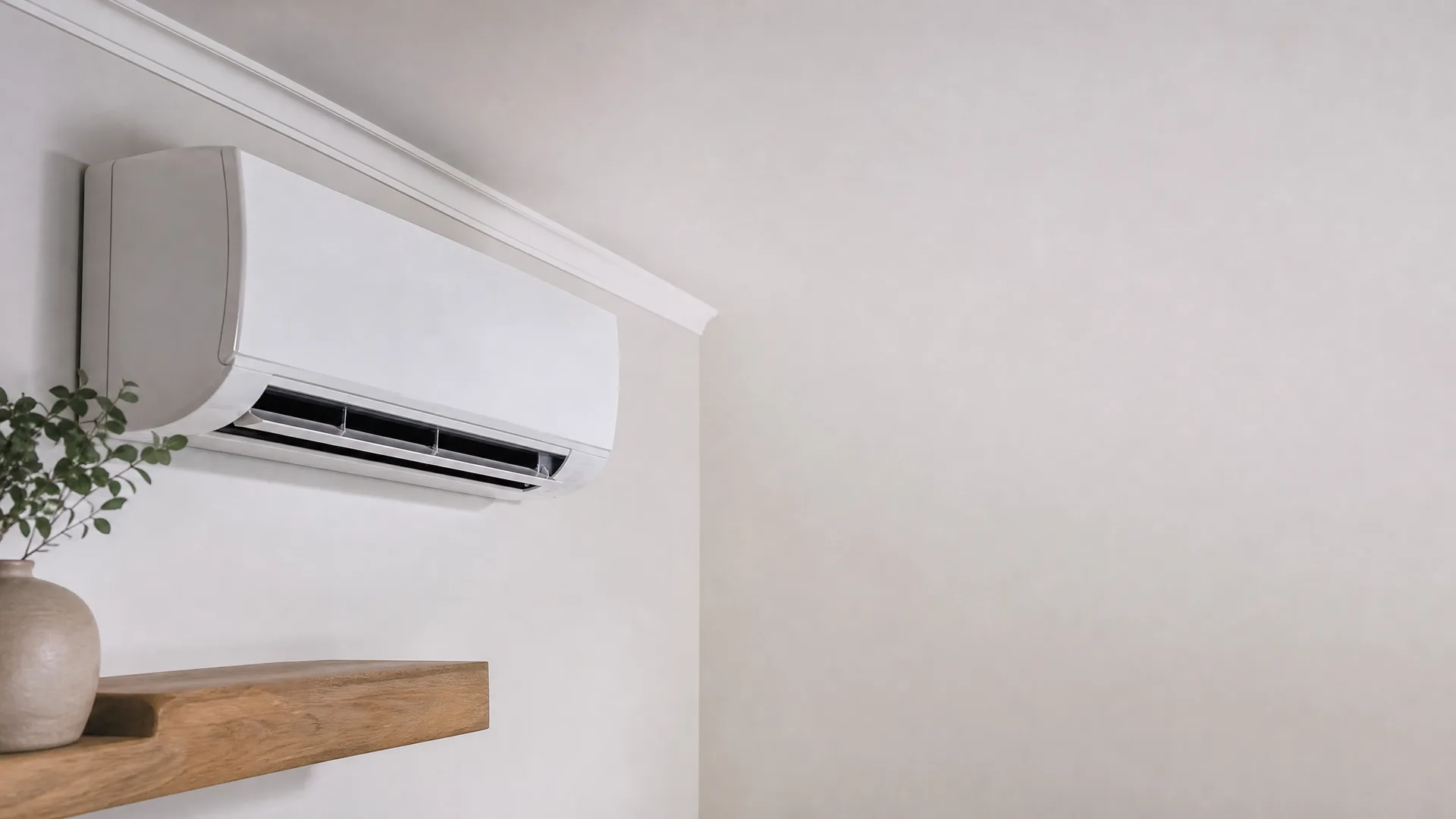
A white wall-mounted mini-split air conditioner installed high on a light beige interior wall below a white crown molding, with a wooden floating shelf holding a ceramic vase of green foliage at the lower left.

The light clears on its own

Some faults are tied to one bad reading. The coil sensor trips because the unit just came out of a defrost cycle, or the float switch trips because a drain line is slow rather than blocked. Cut power at the breaker, wait a few minutes, and turn it back on. If the light stays steady and the unit cools or heats the way it should, that was the whole problem. No part needs to be opened up or replaced.

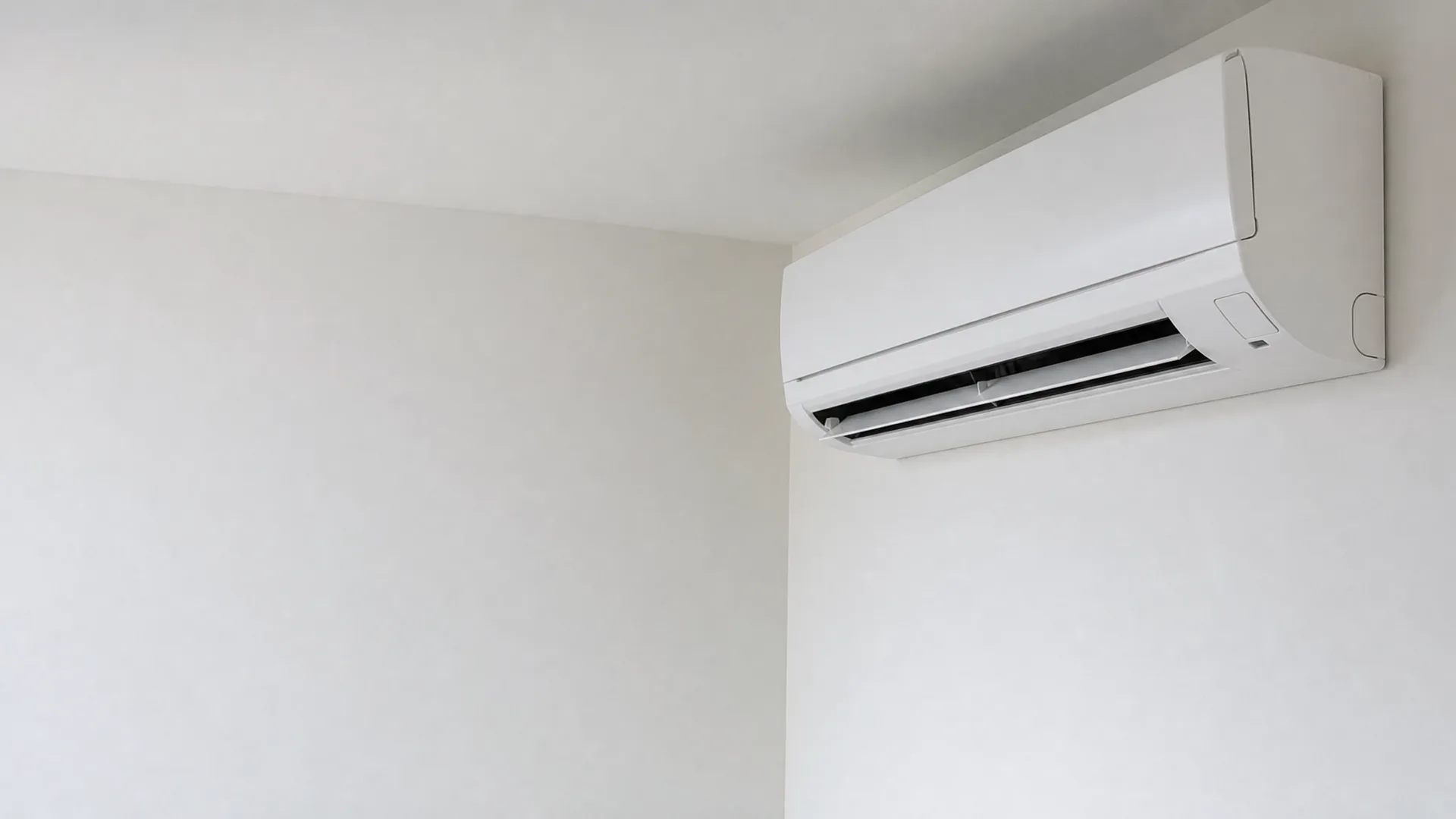
A white wall-mounted mini-split air conditioner installed near the ceiling in the corner of a plain white room.

The light keeps coming back

A fault that returns an hour or a day after the reset is pointing at something a breaker cycle can't fix. A float switch that trips every afternoon means water is backing up somewhere in the line. A coil sensor that trips every cooling run points to low refrigerant or a coil that's iced over again once it warms up. That pattern is the unit telling you the part behind the code needs to be looked at, not reset again.

A man in a dark blue shirt stands in an open front doorway of a stucco and wood-clad house, facing a blond woman seen from behind in the foreground on a stone walkway.

The light is telling you something, not failing you

A blinking light on your mini split is a code, not a breakdown. Count the flashes, check them against what the board is seeing from its sensors, and you know whether this clears itself or needs a hand. That's the whole answer. In Columbus, where cooling runs May through September and the mild winters still lean on electric heat the rest of the year, a unit that won't tell you what's wrong is a unit you can't trust to keep running when you need it.

If you've counted the flashes, tried a reset, and the light is still going, it's past what you can read off a chart. At that point you're not guessing anymore, you're looking for someone who can put a gauge on the coil or a meter on the float switch and tell you which sensor tripped and why. Send in what you've found here and a contractor who works on mini splits in Muscogee County will reach out to go over it with you. You've done the part that was yours to do.

A dark ceramic vase holding a leafy green branch sits on a round wooden table, with a blurred cushioned wooden armchair, woven basket, window and shelving with pottery in the background.
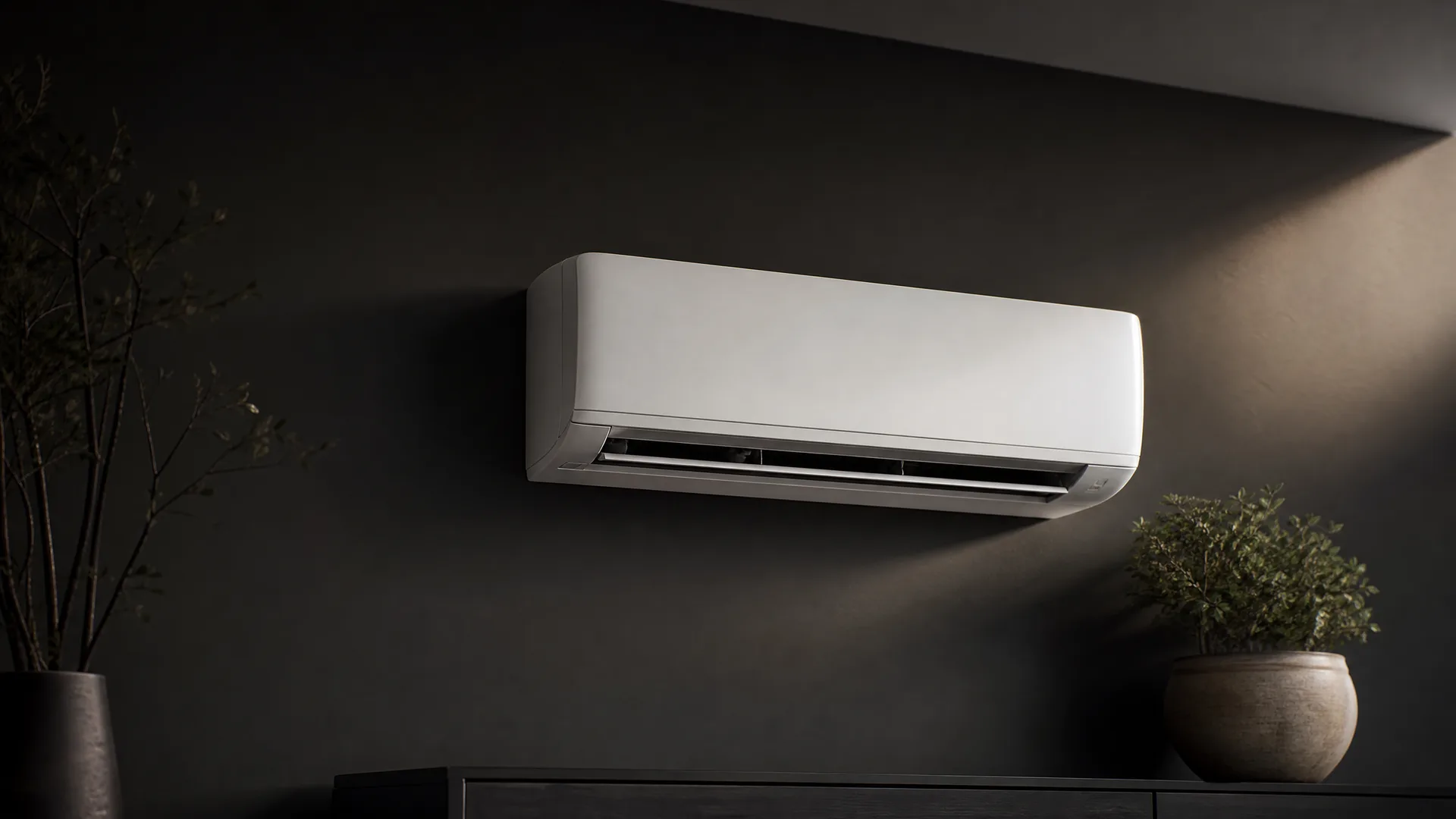
A white wall-mounted mini-split air conditioner on a dark gray interior wall, with potted plants on either side and a dark cabinet below.

A mini split pro near you

RepairMini-splitMuscogee County, GA
Step 1 of 2

What ZIP code is the job in?