



Why your mini split light is blinking in Georgia

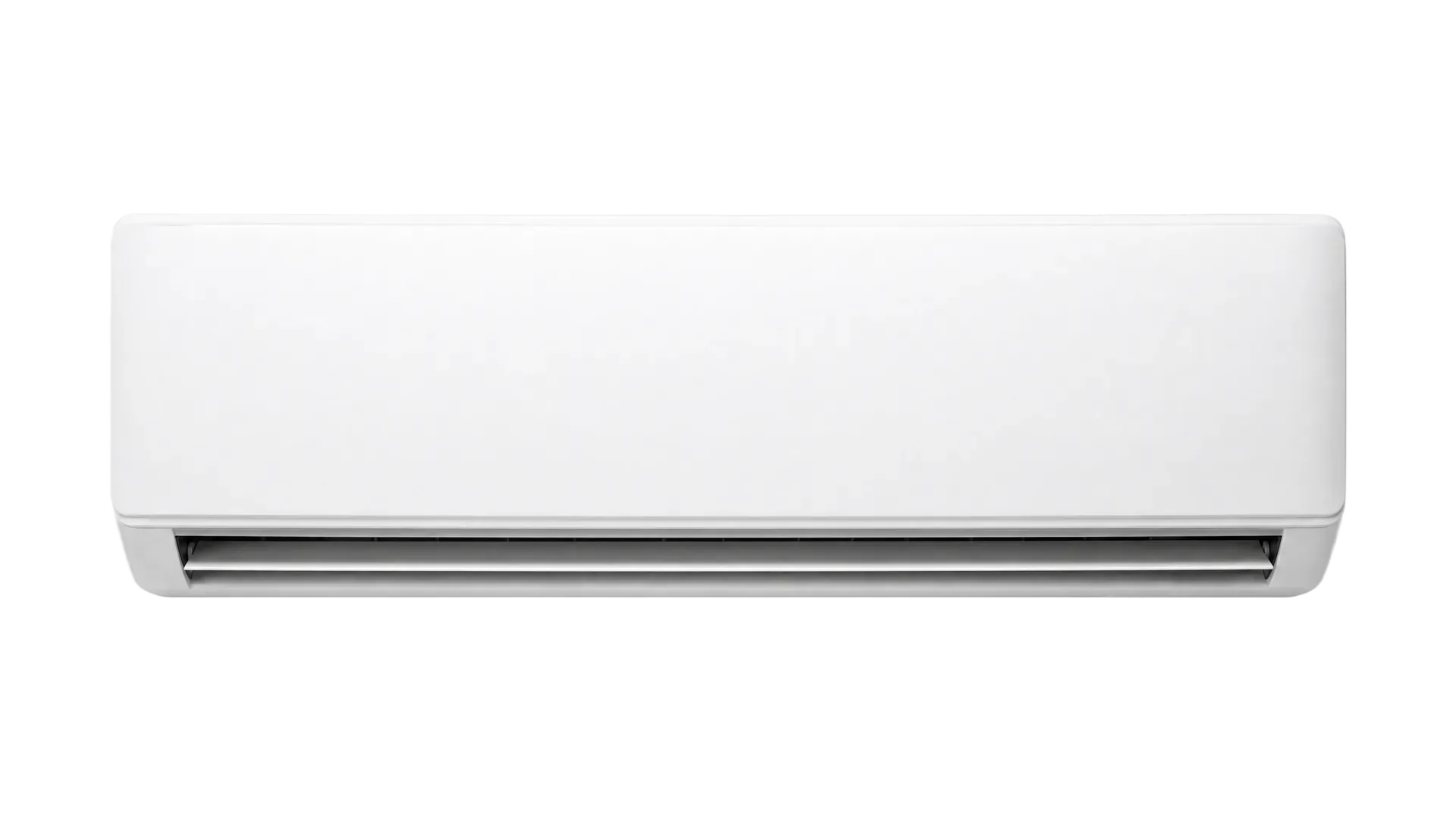
A white wall-mounted mini-split air conditioner indoor unit with a horizontal louvered air outlet, shown against a plain light gray background.
Get a local pro

A blinking light on your mini split is the system telling you what's wrong, in a code specific to your brand. It's not random. Most units flash a pattern you can count, and that pattern points to one problem: a dirty filter choking airflow, a frozen coil, a drain line backed up with water, or a sensor that's failed. On some units a blinking light just means it's in defrost mode, which is normal when it's running heat in cooler weather. Check your model's manual or the inside of the panel door, where many brands print the code chart right there. If you don't have the manual, the brand and blink pattern (how many flashes, then a pause) is enough for someone to look it up. Until it's sorted, the unit may keep running poorly or shut itself off to protect the compressor. That's worth paying attention to, since a lot of Georgia homes lean on this equipment to heat through the winter, not just cool through the summer.

A woman in a cream knit sweater reclines on a beige couch with eyes closed and a slight smile, a gray hardcover book resting open on a textured blanket over her lap, with a lit table lamp and a leafy plant in the dim background.
A smiling middle-aged man in a dark green sweater sits at a candlelit table with a glass of red wine and a bowl of salad in the foreground.

The blinks come from a circuit board checking sensors across the whole system, indoor and outdoor both. Count the pattern through two full loops before you trust what you saw, since most units repeat it rather than blink once and stop. What that count means depends on the brand on your wall. Mitsubishi, Daikin and LG each built their own code table, so the same four blinks can mean a clogged filter on one system and a pressure fault on another. If the indoor light blinks while the outdoor unit shows steady power, that often means the two halves have stopped talking to each other, or the refrigerant charge is off. Some of these clear themselves. Clean the filter, clear the condensate line, and the board may reset on its own. Others won't, no matter how many times you cut power and press reset. If the same code comes back within a day or two, the board is reporting something a filter change won't fix.

Reading the Blink Pattern Right

  • The blink count or color pattern repeats in a loop, so you have to watch through at least two full cycles to read it correctly.
  • Mitsubishi, Daikin, LG and other brands each use their own code, so the same blink pattern means something different depending on what's mounted on your wall.
  • A steady light paired with blinks on the outdoor unit often points to a refrigerant or communication problem between the indoor and outdoor parts.
  • Some codes clear on their own once a dirty filter is cleaned or the condensate drain is cleared, while others need a technician to reset the board.
  • The light is tied to a circuit board that monitors sensors throughout the system, not just the part closest to the light itself.
  • Pressing the reset button without addressing the cause usually brings the same code back within a day or two.
A dusty, discolored wall-mounted mini-split air conditioner indoor unit on a plain white wall, with its horizontal louvers and vent grille visible.
Before you get your mini split repair
A white wall-mounted mini-split air conditioner on a beige interior wall, next to a window with sheer white curtains and green foliage outside.
After you get your mini split repair

Why the filter gets blamed first

Georgia air carries a lot of moisture, and a mini split pulls that moisture out of the air constantly from spring through fall. The filter catches more than dust. It catches the fine grit that rides along with humid air, and it loads up faster here than it would in a drier state. A clogged filter cuts airflow across the indoor coil, and a lot of the blink codes that mean "airflow problem" or "coil temperature" trace back to that one part. It's the first thing worth ruling out before assuming the problem is electrical or refrigerant related.


Why a frozen coil follows close behind

Run a mini split hard enough, with restricted airflow or low refrigerant, and the indoor coil drops below freezing instead of just getting cold. Once ice forms, it builds on itself, blocking even more airflow and making the freeze worse. Georgia summers push units to run long hours, which gives a struggling system more time to reach that point. A frozen coil often triggers its own blink pattern, separate from the filter code, and it won't clear on its own even after the unit shuts off. The ice has to melt and the underlying cause has to be found.

A smiling bearded man in a dark blue henley shirt sits leaning back on a light grey sofa in a living room, with a bowl of popcorn on a wooden coffee table and a large window behind him.
A bearded man in a dark quarter-zip sweater sits smiling on a brown sofa in a dimly lit living room, with a bowl of popcorn and a mug on a table in the foreground and a potted plant near a window behind him.
A smiling man with graying dark hair and a beard, wearing an olive sweater, sits on a sofa in a living room beside a bowl of popcorn on a wooden table.
A smiling man in a dark green henley shirt sits on a gray sofa in a living room with a lit table lamp, wooden shelving unit, and a bowl of popcorn in the foreground.

The right pro for this job

That blinking light isn't going to sort itself out, and running the unit while you wait to figure out the code can turn a clogged filter into a frozen coil, or a frozen coil into a compressor problem. In Georgia, a mini split that's struggling is working against thick, humid air most of the year, which means a small airflow issue gets worse faster here than it would somewhere dry. Since most homes in the state lean on electric heat and cooling both, a unit that's down or limping affects more than one season for you. You don't need to know what the code means before asking for help. Someone who repairs these units every week can read the pattern on sight, match it to your brand, and tell you whether it's the filter, the coil, or something electrical. Sending the request is the last thing you have to figure out yourself.

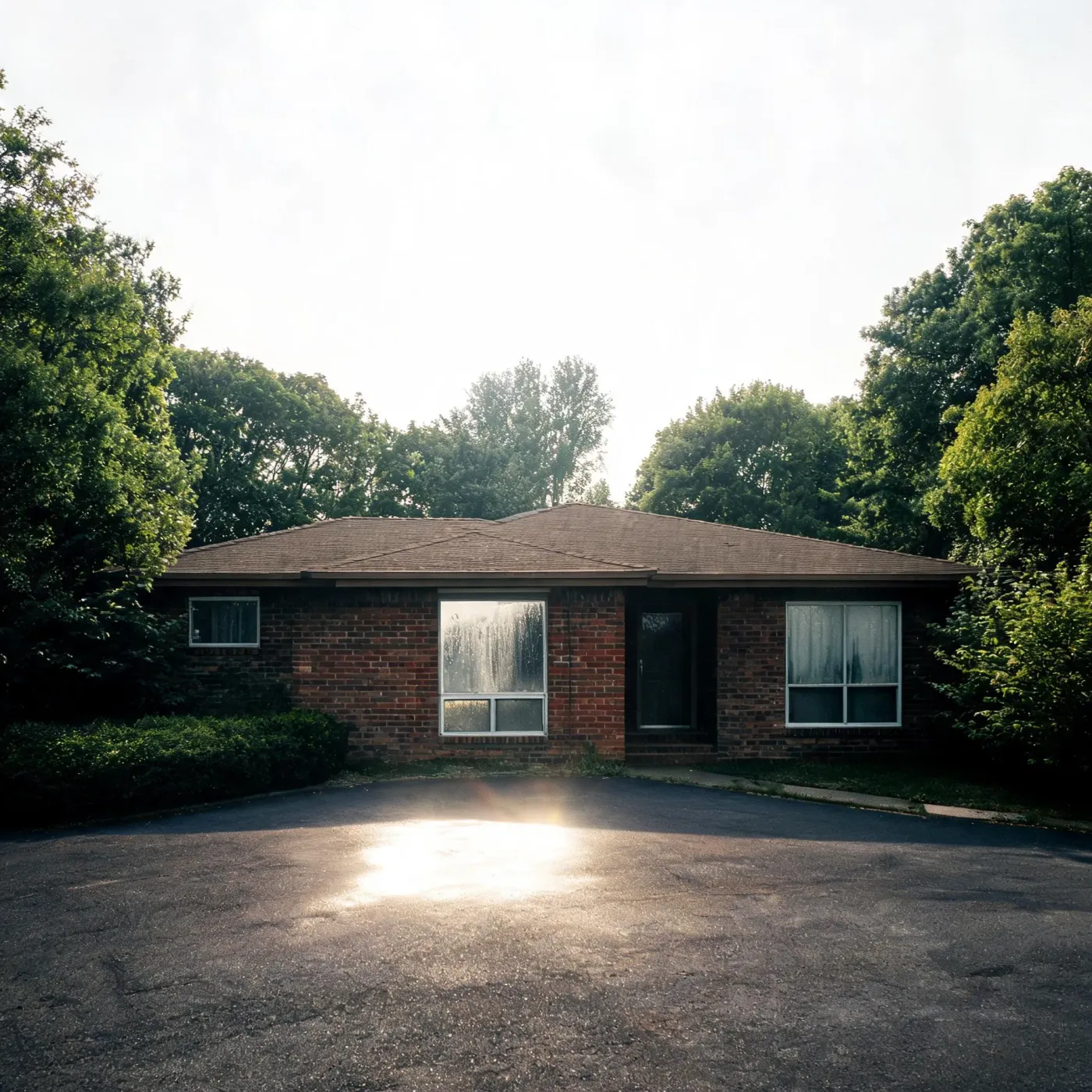
A single-story brick house with a low hipped shingle roof, a large picture window, a dark front door and shrubs, fronted by a wide asphalt lot with sun glare, surrounded by green deciduous trees under a bright hazy sky.

Georgia summers carry a dew point around 68°F, according to NOAA climate data, which is the heavy, sticky air you feel just stepping outside. Your mini split has to wring that moisture out of the air before it can even cool the room, and that extra load shows up as longer run times and a coil that stays wetter, longer. A coil that doesn't fully dry between cycles collects grime faster, and once airflow across it drops, ice can form even on a mild afternoon. If the blinking light started during a stretch of thick, humid weather, that load is likely part of why.

NASA POWER T2MDEW county cells weighted by homes

What are you noticing in the room right now

One room is staying warmer than the rest of the house, or not cooling at all, while the light keeps blinking the same pattern. You might hear the unit running longer than it used to, or cycling on and off without ever feeling like it caught up. Water could be pooling under the indoor head, or the air coming out feels weak even with the fan on high. If the filter's been skipped for a while, the coil behind it can ice over, and a mini split trying to push air through a frozen coil will run and run without actually cooling the room. Left alone, that strain is what turns a simple fix into a bigger repair.

  1. Airflow drops first, from a dirty filter or blocked vent.

  2. The coil loses heat transfer and starts to ice over.

  3. The control board detects the fault and flashes its code.

  4. The unit locks out or runs at reduced capacity to protect itself.

Power costs 14.74 cents per kilowatt-hour statewide

At 14.74 cents per kilowatt-hour, a mini split running long hours to chase down humidity shows up fast on your bill. A fault code that cuts the unit's capacity makes it run even longer to hit the same temperature, so the blinking light is already costing you before anything breaks for good.

EIA-861 2025 statewide residential average

A white wall-mounted mini-split indoor unit installed high on a gray interior wall, with a sofa, dark table and window visible in an adjoining room to the right.

Running clean

This is what a mini split looks like when nothing's wrong. The light stays solid, the room holds its temperature, and the air coming out feels dry and steady even on a muggy afternoon. No code, no guesswork. It's just doing its job.

A wall-mounted mini-split air conditioner indoor unit with a dusty beige casing and dark louvered vent, installed near the ceiling on a plain beige wall.

Choking on itself

Dust and yellowing like this build up over time, and they mean the filter and coil have been working harder than they should for a while. A unit in this shape is usually the one flashing a code, running longer, and still not getting the room cold.

A woman stands in the open front doorway of a single-story house with a dark hipped roof and light siding, while a man in a navy jacket and cap is seen from behind in the foreground on the paved walkway.

A blinking light means the unit already found the problem

The code on your mini split is the diagnosis. You just need someone who can read it against your brand's chart and check the part it points to, whether that's the filter, the coil, or something in the line set. That's a job for a contractor who works on your system, not a guess from across the room.

Once you send the request, you're done looking for someone to call. A contractor who works on your brand and knows what Georgia humidity does to these units gets matched to you and reaches out. The blinking light stops being your problem to solve and becomes theirs to fix.

A light gray sofa with gray and beige textured throw pillows and a cream knit blanket beside a white-framed window, with a small round side table holding a ceramic vase and potted greenery.
A dark-clad house with large windows beside a gravel driveway lined with in-ground path lights, ornamental grasses and hydrangeas, with distant hills and an orange sunset sky.

Mini Split Repair

Matched to your mini split job

RepairMini-splitGeorgia
Step 1 of 2

What ZIP code is the job in?

  • A living room corner with a beige upholstered armchair holding a green pillow and knitted throw, a ceramic table lamp on a side table, white built-in bookshelves, a framed landscape print, a curtained window, and a round wooden table with a lit candle and bowl in the foreground.
    • A local pro who knows mini splits gets your details and gets in touch.
  • A lit table lamp with a tapered beige fabric shade and a speckled rounded ceramic base sits on a wooden surface beside a potted plant, with curtains and a window in the background.
    • Send the request today and let a mini split pro reach out to you.
    • Get the mini split repair search off your mind today.
  • A cream upholstered armchair with a gray pillow and knit throw sits beside a wooden table with a eucalyptus-filled vase, in front of a lit stone fireplace with stacked firewood.
    • Describe what your mini split is doing once, in one form.
    • Answer a few questions instead of calling shop after shop.
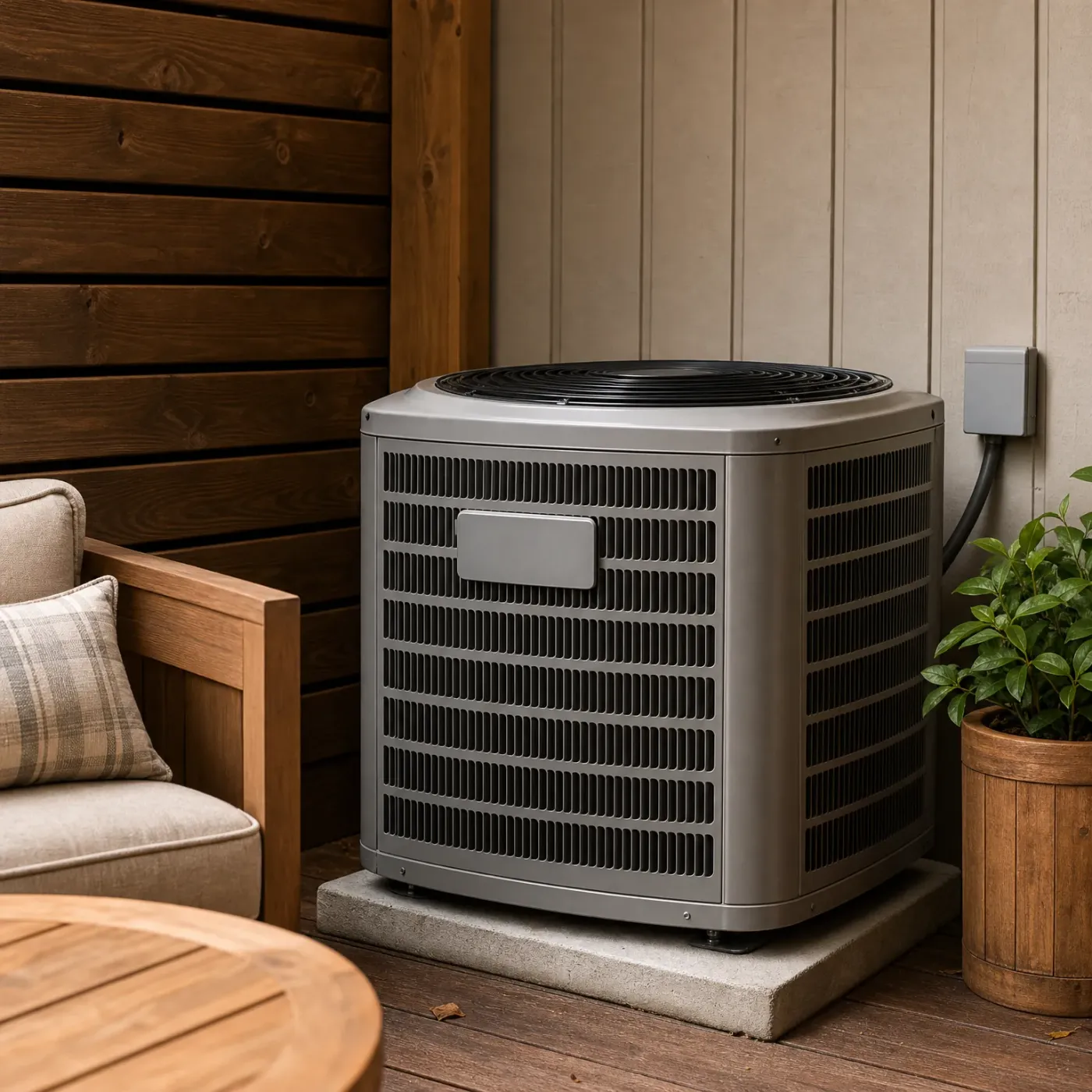
  • A gray outdoor air conditioner condenser unit on a concrete pad beside a wood-sided wall, with a horizontal wood slat fence, a cushioned patio chair, a wooden table, and a potted green plant nearby.
    • Your request goes to one pro, not a list of companies.
    • The pro who reaches out is licensed in Georgia.