
Clean coil, clear airflow
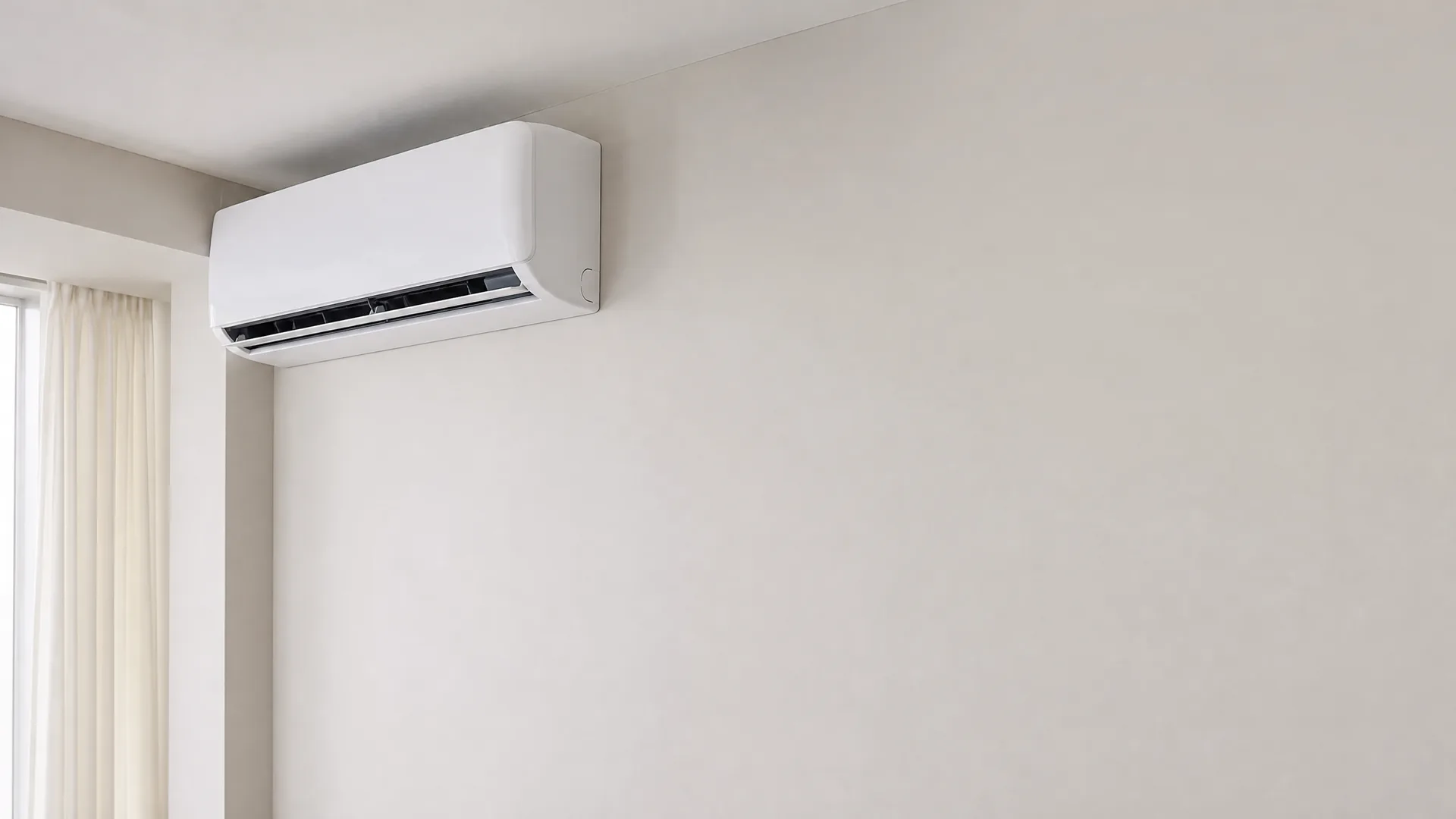
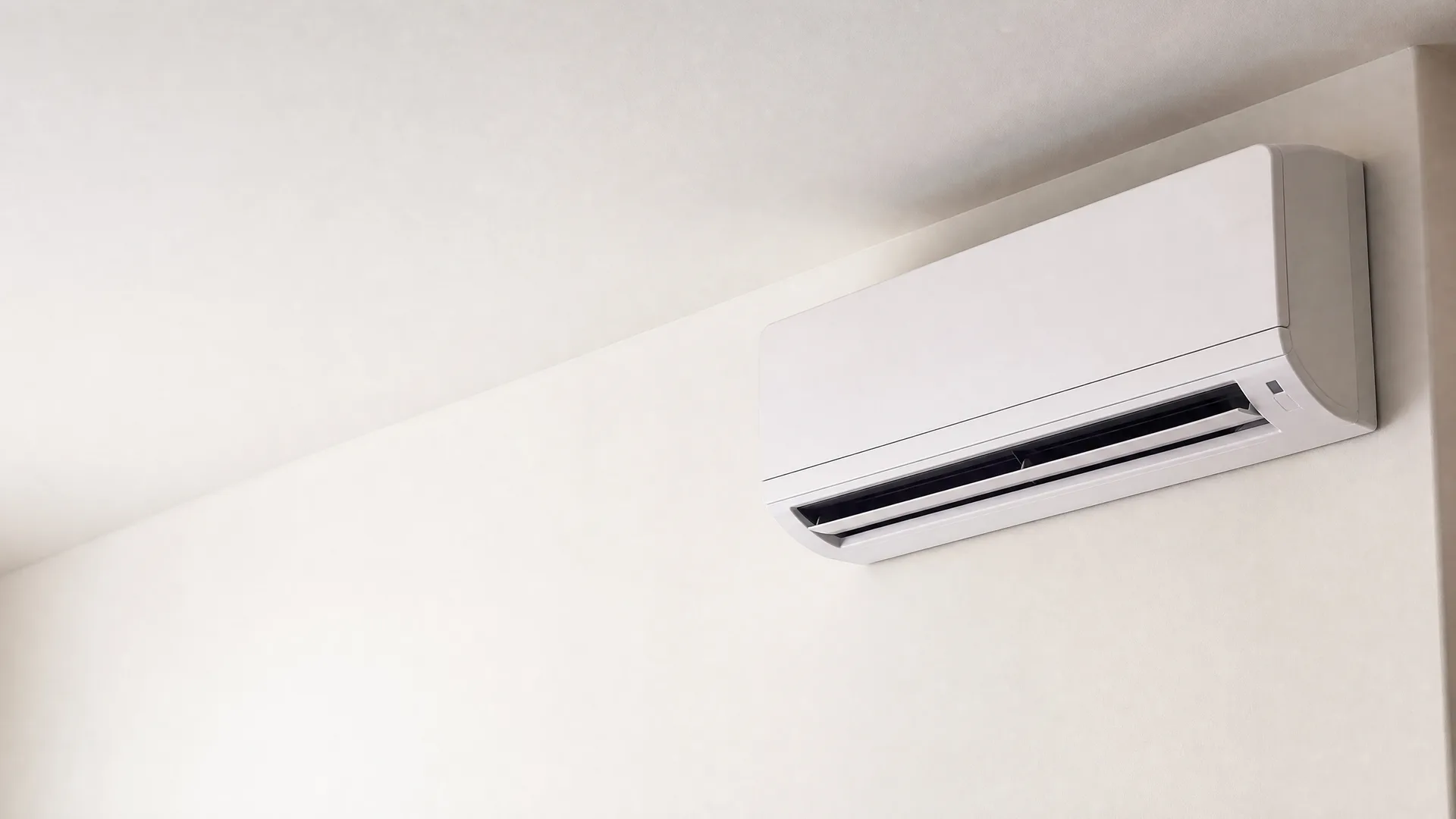
This is what a mini split looks like when it's keeping up. Air moves through the coil freely, the room cools evenly, and nothing builds up on the unit itself. No frost, no drips, no struggle.
 Find my pro
Tell a local repair pro what your mini split is doing.
A mini split that's iced over the indoor coil usually means airflow can't get through it, or it's low on refrigerant. In Georgia's humidity, once ice starts building, it keeps building, because the ice itself blocks more air and the problem feeds on itself.
You've probably already found a frozen coil or a block of ice around the line set outside. Turning the system off and letting it thaw will clear the ice, but it won't tell you why it happened, and running the unit again before the real cause is fixed just starts the cycle over.
A dirty filter or a blocked return is common enough, and worth checking first. But a slow refrigerant leak, a failing blower motor, or a stuck fan can cause the exact same freeze, and those aren't something to diagnose by guessing.
This page connects you with a contractor who works on mini splits in your area and can look at yours directly. Once you send the form, you're not the one tracking down who's available or whether they handle your system. That part is off your plate. The contractor who reaches out will already know what you're dealing with, a frozen mini split in Georgia's heat and humidity, and can ask the right questions from the start instead of starting from zero.
Georgia summers put a lot of hours on these systems, and a mini split that's freezing up isn't cooling the way it should even before the ice forms. The sooner the actual cause gets found, the sooner the system goes back to running the way it's supposed to, instead of cycling between freezing and thawing.
Fill out the form and a contractor who services your area will follow up with you directly.
You've noticed ice on the indoor unit more than once now, maybe you've wiped it off and it's come back a few days later. It's not a one-time fluke, and you'd rather figure out what's causing it than keep cleaning up the water when it melts.
A clogged filter is the most common reason, because it starves the coil of the airflow it needs to stay above freezing. Dirty coil fins or a blocked outdoor unit can do the same thing. If the filter is clean and ice still forms, the system is likely low on refrigerant, which drops the pressure inside the coil low enough to freeze the moisture pulled from Georgia's humid air. A blower motor running too slow causes the same result. Once ice forms, it covers more of the coil and cuts airflow further, so the same cause keeps reproducing the same problem until something changes the airflow or the charge.
A dirty filter slows the air moving across the indoor coil. Less air means the coil gets colder than it should, and in Georgia's humidity, that moisture freezes onto the coil fast. Most mini split filters slide out without tools. If yours hasn't been rinsed in a few months, that's worth doing before anything else, but if ice keeps coming back even with a clean filter, something else is driving it.
If the coil is icing from a low charge, the level doesn't correct on its own. A system low on refrigerant runs colder than it's designed to, and that extra cold is what turns coil moisture into ice. It also means the system lost refrigerant somewhere, through a fitting or a line, and that spot stays open until someone finds it. Cleaning the coil or the filter won't touch this cause.
Look at the indoor unit. If there's a layer of frost or solid ice across the coil behind the front cover, that's confirmed. You might also notice the fan running but barely any air coming out, or water pooling under the unit once the ice melts. Some people hear a hiss or notice the air smells faintly musty when it finally thaws. If this keeps happening, running the system iced up strains the compressor, and a compressor replacement costs far more than fixing whatever's causing the ice. It's worth catching now rather than waiting for the unit to stop cooling altogether on a 95 degree day.




Warm indoor air passes over the coil and loses its heat
Refrigerant inside the coil absorbs that heat and turns to gas
Dirty filters or low refrigerant drop the coil's surface temperature below freezing
Moisture in Georgia's humid air lands on the cold coil and freezes




You've pulled the filter, you've let it melt, and it's still coming back. That points past the stuff you can fix with a rag and a few hours of patience. A refrigerant leak won't show itself from the front cover, and neither will a coil sensor that's failed or a blower motor that's lost its strength. Those need gauges and training to find, not another round of turning the unit off and waiting. Every day it keeps icing is another day of that side of the house not cooling right, and in Georgia's humidity, a mini split that can't move air is a mini split that's working against itself. Handing this off means you stop guessing at it and someone with the right equipment looks at what's actually happening inside that coil. You've already done the easy part. The rest is better off out of your hands now.
Keep running it and hope the ice clears on its own, and you're buying time the coil doesn't have. Each cycle with frozen refrigerant lines stresses the compressor, and that's the part you don't want to pay to replace.
Get a contractor out once the filter and a few hours of melt time haven't solved it, and they'll find what's actually behind it, whether that's a leak or a failed sensor, before the compressor takes the hit.



That humidity you live with all summer carries a number most people never hear: a dew point around 68°F across June, July and August, averaged over homes in Georgia. That's air closer to soggy than sticky by most comfort scales, and it's what your mini split is pulling moisture out of every time it runs. The more water the air is holding, the faster that moisture lands on the coil and turns to ice the moment airflow drops. A dirty filter or a slow refrigerant leak that might take weeks to cause trouble somewhere drier can ice up a coil here in days. Source: NOAA climate normals.
NASA POWER T2MDEW county cells weighted by homes

A frozen coil means that room stops cooling. You've probably noticed it runs longer and still doesn't catch up, or the air coming out feels weak and lukewarm. That's the ice taking up space where air should be moving. Leave it running through enough of these cycles and the compressor is working against frozen lines each time, which is a harder part to replace than a filter or a sensor.
You already check on small problems before they turn into big ones, which is why you're reading this instead of just wiping the coil down again and waiting. Once you know whether it's airflow or refrigerant, the next step isn't tracking down who handles mini splits in your area and hoping they call back. You get matched with a contractor who works on your specific situation, and they reach out to you. Finding someone stops being something you have to manage.


This is what a mini split looks like when it's keeping up. Air moves through the coil freely, the room cools evenly, and nothing builds up on the unit itself. No frost, no drips, no struggle.

This is the buildup that chokes off airflow before ice ever shows. Dust across the top and dark residue around the vents mean the coil behind it is working harder than it should, and in Georgia's humidity that's how freezing starts.
At 14.74 cents per kilowatt-hour, running your mini split on a coil that's choked with ice costs more than it should, since it's working against the blockage instead of actually cooling the room. Clearing the cause early keeps your bill tied to the cooling you're getting, not wasted cycles.
EIA-861 2025 statewide residential average
A mini split that keeps icing up is telling you something specific: air isn't moving through that coil the way it should, or the refrigerant charge is off. Either one keeps happening until someone deals with the actual cause, not just the ice sitting on top of it. You've already done the part that's yours to do. You checked the filter, you cleared the ice, you watched it come back anyway. That's enough to know this isn't a one-time thing and it isn't going to fix itself. A contractor can get into the coil sensor, the refrigerant lines, the parts of the system you can't see from the front cover, and find what's actually wrong. Send the request and that search is off your plate. Someone who works on these units in Georgia homes will reach out, and from there it's a conversation about your unit, not a project you have to manage alone. The ice has an explanation. Finding it stops being the thing you're carrying around.
A mini split pro near you