 Find a pro near me
What SEER rating makes sense for a Georgia home
A local installer who puts in air conditioners gets your project.
Georgia summers are muggy, and your air conditioner runs long hours to keep up. That makes the SEER rating on a new system worth getting right, because it decides how hard that unit works every one of those hours for as long as you own it.
Most homes here heat with electricity too, so the same system is carrying weight on both ends of the year. A unit sized and rated for this climate earns its keep differently than one picked for a drier or milder state. What works in Arizona or Ohio is not the same answer as what works in Macon or Savannah.
Power in Georgia runs about typical compared to the rest of the country, which changes how you weigh a higher SEER rating against the cost of the equipment itself. That math is specific to your house, your ductwork, and the unit you have now, not a number you can pull off a chart.
This is where finding the right installer starts to matter more than the rating itself. Different contractors carry different equipment lines, and not every installer sizes a system the same way for a Georgia attic or a Georgia crawlspace. Instead of calling around town, describing your house over and over, and trying to compare quotes that are not quite for the same equipment, you can get matched with a contractor who installs for homes like yours and have them reach out to you directly.
That one step replaces the usual runaround of searching, calling, and re-explaining your situation to every company that picks up. You still get to look at what they recommend and decide what's right for your house. But the search for who to call is done before you finish reading the rest of this page.
What SEER rating do I need for a Georgia home?
You want a straight answer before you talk to anyone about a new system. The brand and the size matter, but the number that gets argued about most is SEER2. You want to know what's actually worth paying for here, not the highest number a salesperson can offer, and not so low that you're paying for it every August for years.
Look for at least 15.2 SEER2, the federal minimum for this region
Georgia sits in the South region, where federal rules set 15.2 SEER2 as the floor for new split-system air conditioners. You can't buy a new one rated lower than that here. Going above the minimum, into the 16 to 18 SEER2 range, makes more sense in Georgia than it does in a place with mild summers, because the unit here runs for months at a time instead of a few weeks a year. Since most homes in the state heat with electricity, the air conditioner and the heat pump often share the same equipment, so the SEER2 rating affects more of the year's electric bill than it would in a house that heats with gas. Power costs here are typical for the country, so the rating matters more for how long the unit runs well than for cutting an already-high rate.
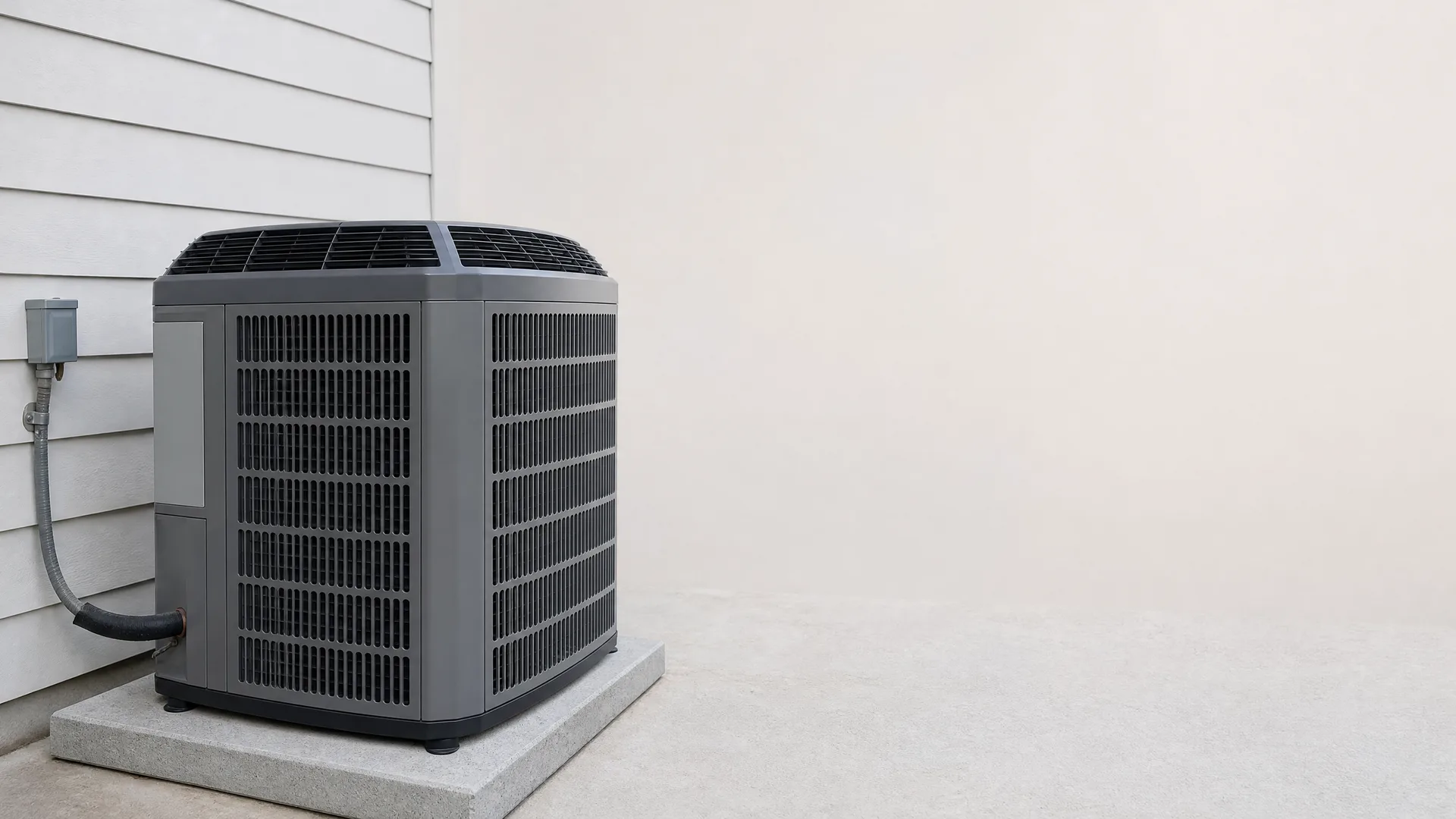
What SEER2 actually measures
SEER2 is a rating of efficiency, not cooling power. It tells you how much cooling a unit delivers for the electricity it uses over a full season, not how big a house it can handle or how cold it can get. Two systems can carry the same SEER2 number and still differ in size, so the rating only answers the efficiency question. For a Georgia home, where the unit runs long hours through a muggy summer, that efficiency number has more chances to matter than it would somewhere the AC barely runs.
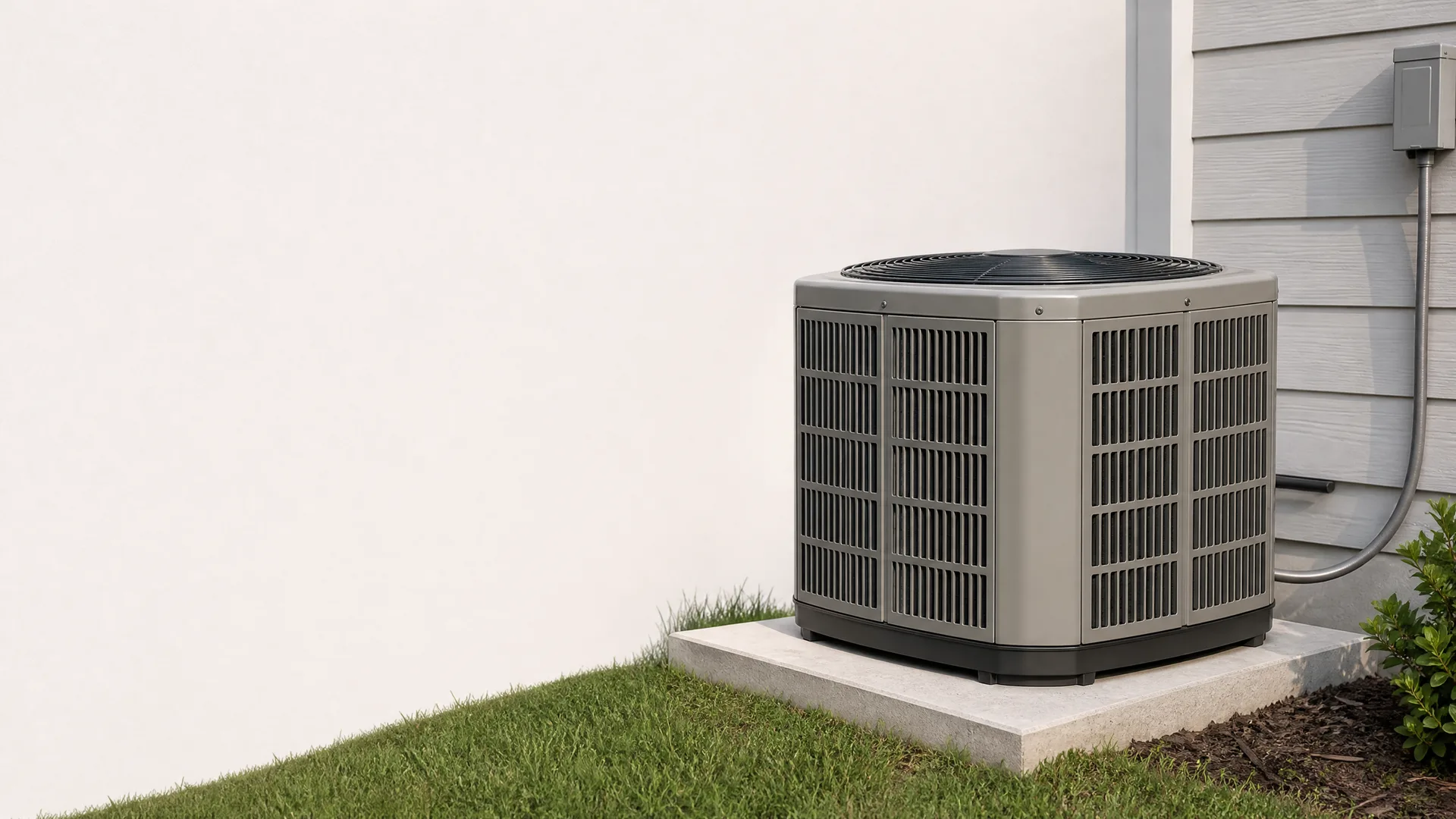
Where electric heat changes the math
Most homes in Georgia heat with electricity, so the same unit or a heat pump tied to it is often doing work on both ends of the year, not just in summer. A higher SEER2 rating lowers the electric draw during the months the system is cooling, but it does not touch how that system performs as a heater. If your home heats electrically, the heating side of the equipment is worth asking about separately from the SEER2 number, since one rating does not describe both jobs.
Why your cooling bill feels out of line
If your air conditioner is older, you've probably noticed the bill climbs every July and August and doesn't ease up until the weather breaks. You might hear it cycling on more than it used to, running longer stretches to hold the house at the same temperature. Some rooms may stay warmer than others by afternoon. None of that means it's about to fail. It means the unit is working harder than a new one would to do the same job, and since most homes here heat with electricity too, that strain shows up on the power bill most of the year, not just in summer.




Minimum SEER2 vs Higher SEER2
Minimum SEER2
- Meets the federal baseline for the Southeast region, which covers Georgia, so any new split system sold here has to clear it.
- Costs less upfront, which matters if you're replacing a system that failed without warning.
- Still runs more hours than a higher-rated unit through a Georgia summer, since it takes more electricity to produce the same cooling.
- Makes sense if you don't plan to stay in the house long enough to get the electric bill back through lower usage.
- Leaves less room to size down the unit later, since a lower-efficiency system often needs more capacity to do the same job.
Higher SEER2
- Uses less electricity to produce the same cooling, which shows up on the bill during the months the system runs longest.
- Often pairs with a variable-speed or two-stage compressor, which handles Georgia humidity better than a single-speed unit cycling on and off.
- Costs more to install than the minimum-rated option.
- Pays back that difference faster in a state where the system runs long hours most of the year, since it's using less power on every one of them.
- Tends to run quieter and longer at lower speeds instead of short, hard bursts, which some homeowners notice right away.
- Worth asking about if you're keeping the house for years and want the system matched to how long Georgia summers actually run.

The compressor pulls refrigerant gas and squeezes it under pressure.
Hot, pressurized gas flows out to the outdoor condenser coil.
The condenser coil sheds that heat to the outside air.
Refrigerant turns liquid and travels inside to the indoor coil.




The right pro for this job

Describe the project once instead of to every installer.
No charge to send it. You decide if you hire them.
A 14.3 SEER2 system costs less to install, and if you keep your thermostat moderate and your home holds its temperature well, the difference in your bill against a higher-rated unit may be smaller than you expect.
Run the air conditioner hard through a Georgia summer, the way most homes here do, and a higher SEER2 rating keeps paying you back every one of those months, for as long as you own the system.
Power costs 14.74 cents per kilowatt-hour statewide
At 14.74 cents per kilowatt-hour, every stage of SEER2 your new system clears earns back real money across a Georgia summer. Run the air conditioner for hours at a time, day after day, and that rate is what turns an efficiency rating into a number on your bill.
EIA-861 2025 statewide residential average
Replacing now versus waiting it out
If your air conditioner is still running, you can wait and let it fail before you replace it. That costs nothing extra today. But a unit on its last stretch tends to fail in July or August, right when you need it most, and you end up picking from whatever a contractor can install fast rather than choosing the SEER2 rating that fits your house and your budget. Waiting also means paying to keep an inefficient system alive with repairs that don't fix the underlying efficiency problem, summer after summer, until the day it stops.
Planning the swap ahead of summer
Replacing before the unit fails gives you room to compare SEER2 options without the pressure of a dead system in August heat. You can weigh a 14.3 SEER2 install against something higher based on how your house holds temperature and how long your summers run, rather than taking whatever is on the truck. It also means the install happens on a mild day instead of the hottest week of the year. The tradeoff is spending money on a system that still works, which not every homeowner is ready to do.


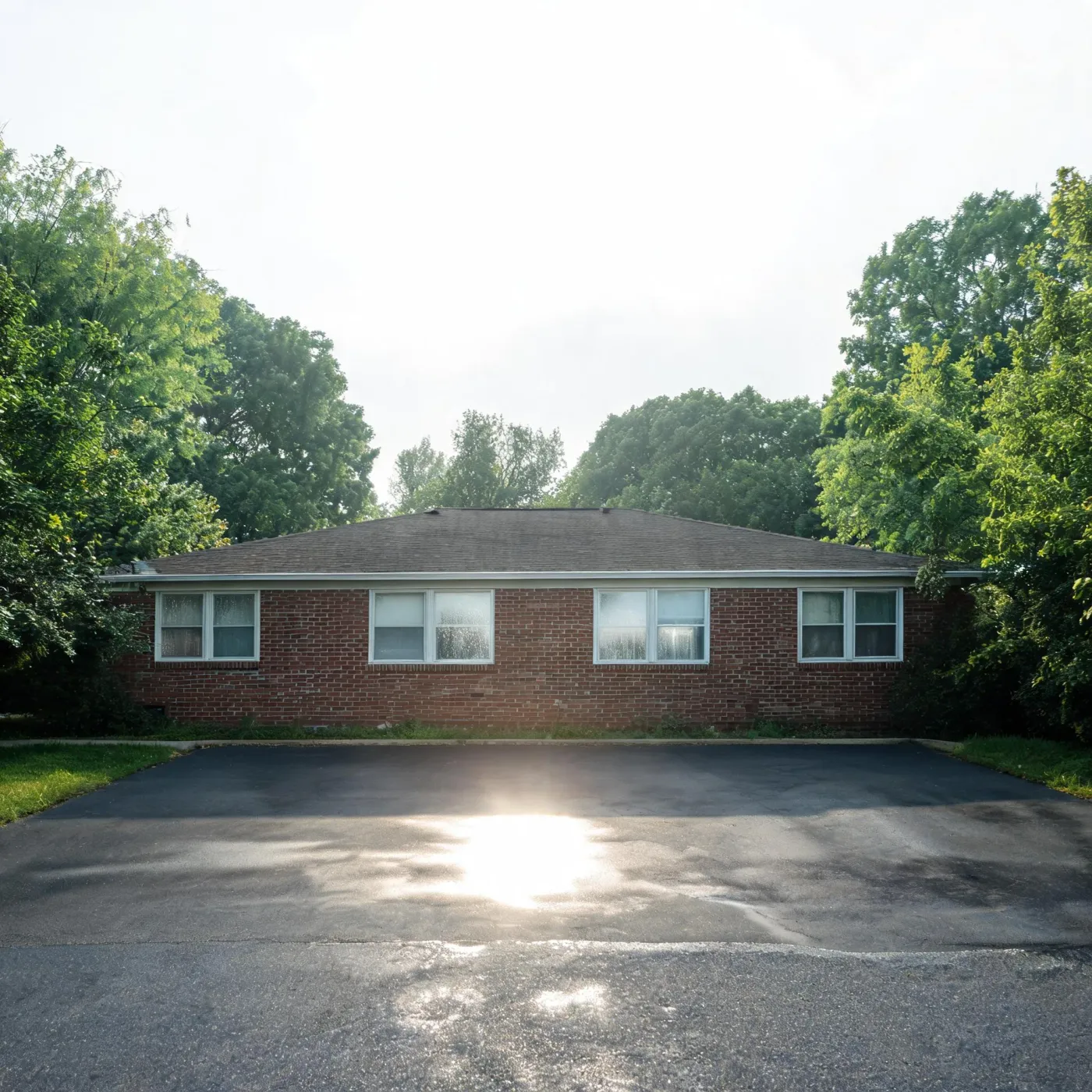
The air here doesn't just get hot, it holds water. Averaged across June, July and August, the dew point in Georgia runs 68°F, the number that tells you how heavy the air actually feels on your skin. Your air conditioner isn't only cooling that air, it's wringing the moisture out of it, and pulling water out of air takes more work than dropping a few degrees of temperature alone. That's why the unit keeps running even after the thermostat says it hit the mark, and why a room can feel cool but still damp if the system isn't keeping pace. A SEER2 rating that looks fine on paper against dry heat can still leave you running the system longer than you'd like here.
NASA POWER T2MDEW county cells weighted by homes

The SEER2 number you pick now is the one you live with
A new system should clear the minimum at least, and go higher if your summer bills and your budget make that worth it. Either way, the unit gets sized to your house and installed by someone who sets the charge and the airflow right, because that's what decides whether the SEER2 rating on paper shows up in your actual bill.
Getting there means finding a contractor, checking who's licensed, calling a few, and comparing quotes that are never written the same way twice. That's the part that takes the time. Once you're matched with a contractor who installs systems for homes like yours in Georgia, they'll reach out to you directly, and the comparing and explaining you'd otherwise do yourself is done.


Air Conditioner Installation
Matched to your air conditioner job

- A local pro who knows air conditioners gets your details and gets in touch.
- Describe your air conditioner job, and a local pro who handles it gets in touch.

- One request ends the search for an air conditioner installer.
- Send the form and the search for an installer is over.

- Skip the round of in-home estimates for a new air conditioner.
- One form replaces the calls you'd make to find an air conditioner pro.

- One installer gets your project, so there's no bidding war over it.
- Your request stays with one local pro.