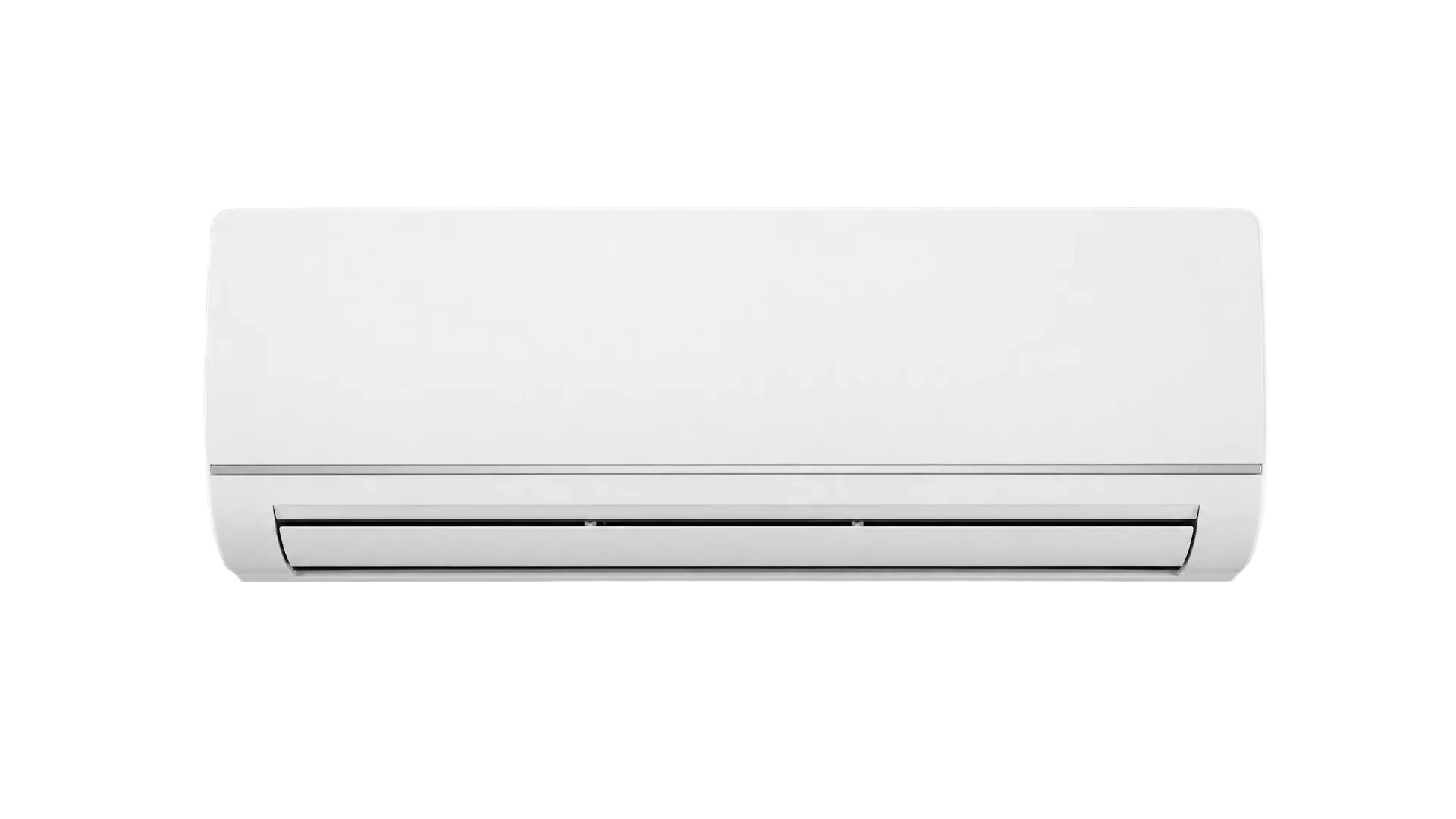
One coil, one drain line
A mini split only has one indoor coil and one condensate path. When mold sets up there, musty air reaches every room the unit serves, not just one spot.
That musty smell is mold or mildew growing on the indoor coil or inside the drain pan, and in Georgia summers it has everything it needs. The coil runs cold and wet for hours at a time pulling moisture out of thick, humid air, and when the unit cycles off, that moisture sits on the coil and in the condensate pan instead of draining or drying out. Add dust or a slow drain line and you get a film the mold feeds on. It builds up on the coil fins and blows out through the vents every time the fan runs, which is why the smell is strongest right when the air kicks on. A clogged or slow-draining condensate line makes it worse, since standing water gives mold longer to grow between cycles. The smell itself will not go away on its own. It means the coil and drain need to be cleaned, and the filter checked, before it gets worse or starts affecting the air you are breathing all summer.


The indoor unit's job is to pull water out of the air, and that water has to go somewhere. It condenses on the coil, drips into the pan below, and should drain out through the line to the outside. In a Georgia summer, that cycle runs for hours almost every day, so the coil stays wet most of the time. Dust settling on a coil that's never cleaned gives mold something to grip instead of letting the water wash it away. The blower wheel sitting just behind the coil has narrow grooves between its blades, and those grooves trap the same moisture and film. If the drain line sags anywhere along its run, or picks up a bit of algae inside, water backs up just enough to keep the pan from drying between cycles. Most mini splits have a fan-only setting that can dry the coil out after the unit shuts off, but it has to be turned on to do anything. A technician checking one of these units for maintenance looks at how well the drain line is flowing and pulls the cover to check the blower wheel, since the filter alone won't show any of that.


A mini split only has one indoor coil and one condensate path. When mold sets up there, musty air reaches every room the unit serves, not just one spot.
With electric heat common here, your mini split likely also carries the summer cooling load for months straight, giving mold a long stretch of wet coil time to grow on.





A National Weather Service summer average puts the dew point at 68°F across the state, which is the sticky end of the scale. Air that heavy means your mini split's coil stays wet for longer stretches, since it has more moisture to pull out of every cubic foot that crosses it. That extra runoff is exactly what feeds mold if the coil and drain pan aren't cleaned out. A local contractor who services mini splits all summer in this kind of air knows where that growth tends to start and checks it as a matter of course, not a guess. Since the request goes to one licensed technician working near you, you're not sorting through calls from several companies to find out who actually knows this equipment.
NASA POWER T2MDEW county cells weighted by homes
A musty mini split in July doesn't get better on its own. The coil stays wet, the pan stays damp, and every week that passes is another week for mold to spread further into the airstream you're breathing. Cleaning that coil and drain line isn't a job most homeowners can do right, since the coil fins bend easily and the drain line runs back into the wall. It takes someone who services this equipment all summer long and knows exactly where the buildup hides on your unit. Send the request and a licensed contractor near you in Georgia takes it from there, just the one, so you're not fielding calls from a handful of companies while your house still smells like mildew. You've already read enough above to know what's growing in there. The part left to decide is whether you want it handled before another humid month passes or after.
The musty smell isn't something wrong with your air. It's mold, growing on the indoor coil or sitting in the drain pan, and Georgia's summer humidity gives it exactly the wet surface it needs for hours at a stretch. Because a mini split runs on one coil and one drain line, there's nowhere for that smell to hide. It travels through the same airstream that reaches every room the unit serves, so what you're smelling in the bedroom started somewhere behind the wall unit.
None of that clears up by running the unit more or less, or by waiting for a dry stretch. The coil needs to be cleaned and the drain line needs to be checked for the clog or slow spot that's letting water sit instead of draining out. That's a job for someone who opens the unit up, not something a filter change or a thermostat setting fixes.
A contractor who services mini splits through a Georgia summer sees this same complaint on repeat, and knows which models tend to clog their drain lines first and where mold likes to settle on each one. When you request service, you're matched with one licensed local contractor, not a list of companies competing for your callback. One person looks at your unit, finds where the water or mold actually is, and takes care of it. That's the whole fix: find where the water's sitting, clear it, clean the coil, and the smell goes with it.

Finding a pro stops being your job



