
12 to 15 years
That's the span a mini split in Georgia typically covers before the compressor or coil wears out. Muggy summers push the outdoor unit hard, which can shorten that range if upkeep gets skipped.
You keep your house running the way it should, so before you put money into a mini split, or decide whether to keep running one that's getting older, you want a straight number for how long it should hold up here. Georgia summers push a mini split hard for months at a stretch, and that use adds up differently than it would somewhere milder.
A mini split in Georgia tends to land on the shorter end of that range, closer to 12 years than 15. The reason is how much it runs. Most homes here heat with electricity too, so the same unit that fights humidity from May through September may also be the main source of heat in winter, which means it's cycling on and off nearly year round instead of resting half the year. That kind of steady use wears on the compressor and the outdoor coil faster than it would in a place with a short, mild summer. If yours is already past 10 years and running longer or louder to keep up, that's the system telling you it's working harder than it used to, not a sign something was installed wrong.
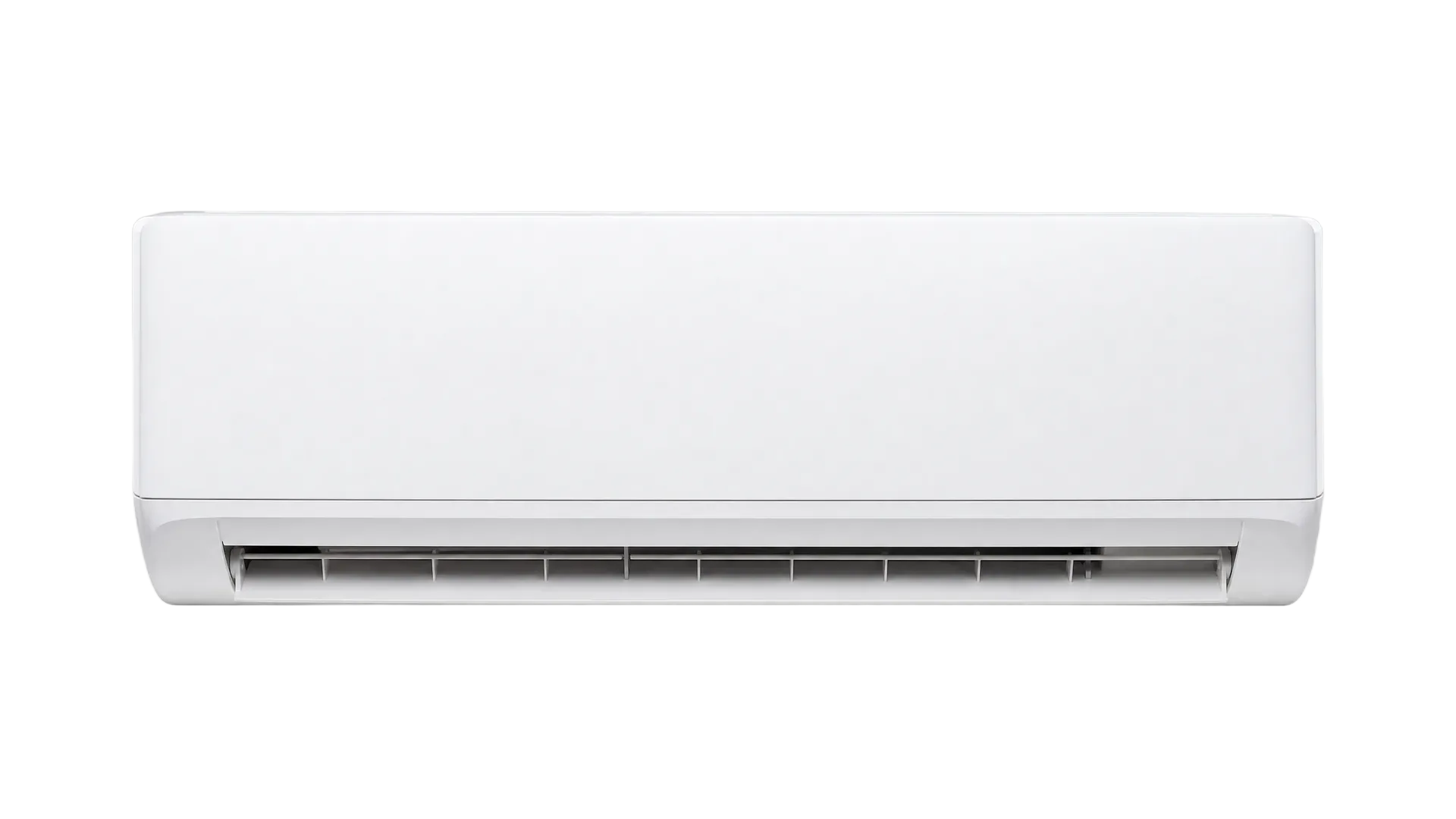
The compressor outside cycles on and off to match the load
Refrigerant carries heat between the indoor coil and outdoor unit
The condenser coil outside sheds humidity and salt air corrosion
The indoor filter clogs first, cutting airflow across the coil




That's the span a mini split in Georgia typically covers before the compressor or coil wears out. Muggy summers push the outdoor unit hard, which can shorten that range if upkeep gets skipped.
A contractor who installs and services mini splits in your area sees which brands and setups hold up here. You'll hear back from one licensed installer, not several.


Walk up to the indoor head and feel the air coming off it. If it's not as cold as it used to be on a ninety degree afternoon, or the unit runs longer to hit the same setting, the compressor is working harder than it should. Listen for a rattle or hum from the outdoor unit that wasn't there before. Check the coil through the outdoor housing for a layer of grime or a greenish tint, a sign salt air and humidity have been eating at it. A musty smell from the indoor head usually means the filter hasn't been cleaned in a long while, and dirty coils make the whole system pull more power to do the same job.


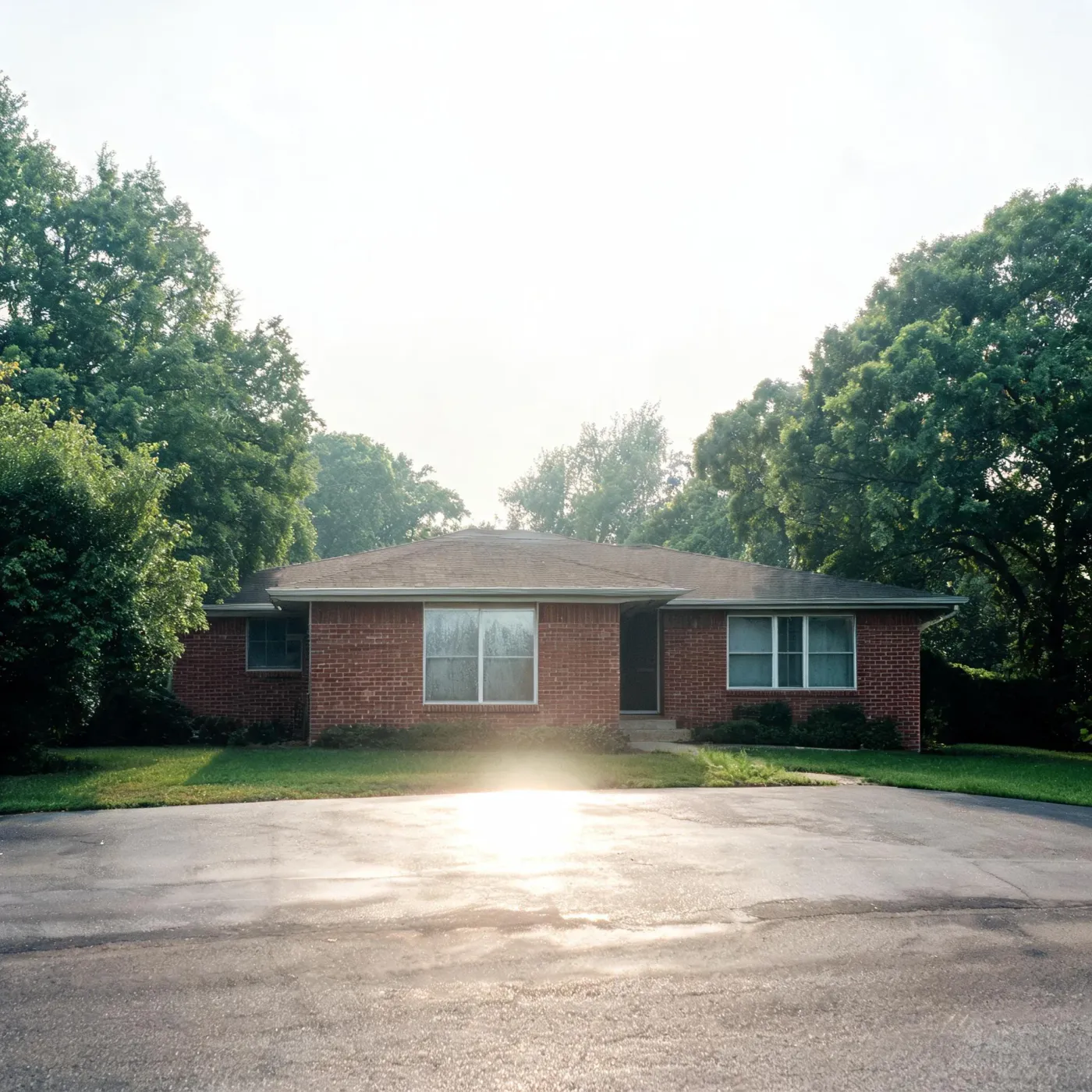
Georgia summers average a dew point of 68°F across June, July and August, according to NOAA data for where homes in the state sit. That's heavy air, the kind that makes a shirt stick to your back on the porch. Your mini split isn't just cooling that air, it's pulling the moisture out of it, and that's what wears on the compressor and coil faster than the temperature alone would. A unit working through air that thick needs its coil and filter kept clear, or it starts running longer to do the same job. A local installer who works on these systems every summer knows which models hold up against that kind of humidity and which start slipping early, and can tell you where yours stands.
NASA POWER T2MDEW county cells weighted by homes
Your request goes to one pro, not a list of companies.
No charge to send it. You decide if you hire them.
A mini split installed on an exterior wall that gets full afternoon sun runs harder all summer just to hold the same setting as one mounted in the shade.
That extra strain on the compressor adds up over a dozen Georgia summers. Where the installer places the outdoor unit can matter as much as how often you clean the filter.
At 14.74 cents a kilowatt-hour, a mini split that's lost efficiency from a dirty coil or low refrigerant costs you more to run every month, not just at replacement time. Keeping it serviced is what keeps that number from creeping up.
EIA-861 2025 statewide residential average
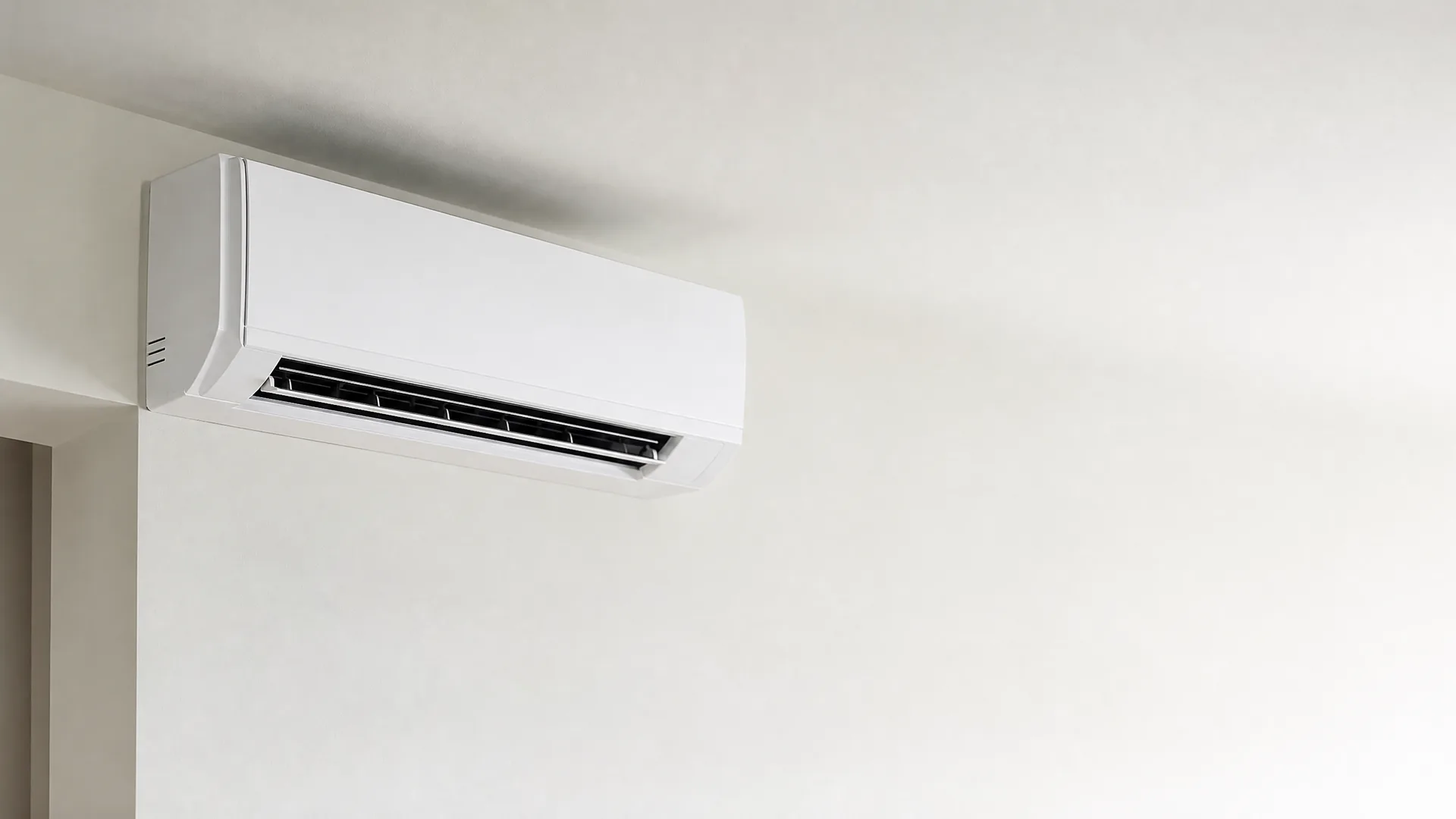
A new mini split installed now gives you a fresh 12 to 15 year stretch, and a contractor can size it for the room it's actually cooling instead of whatever was there before. If your current unit is on its second or third summer of struggling, waiting usually means paying more to run it while you decide. A unit sized and placed right from the start holds up better against Georgia summers than one that was never quite right for the space.
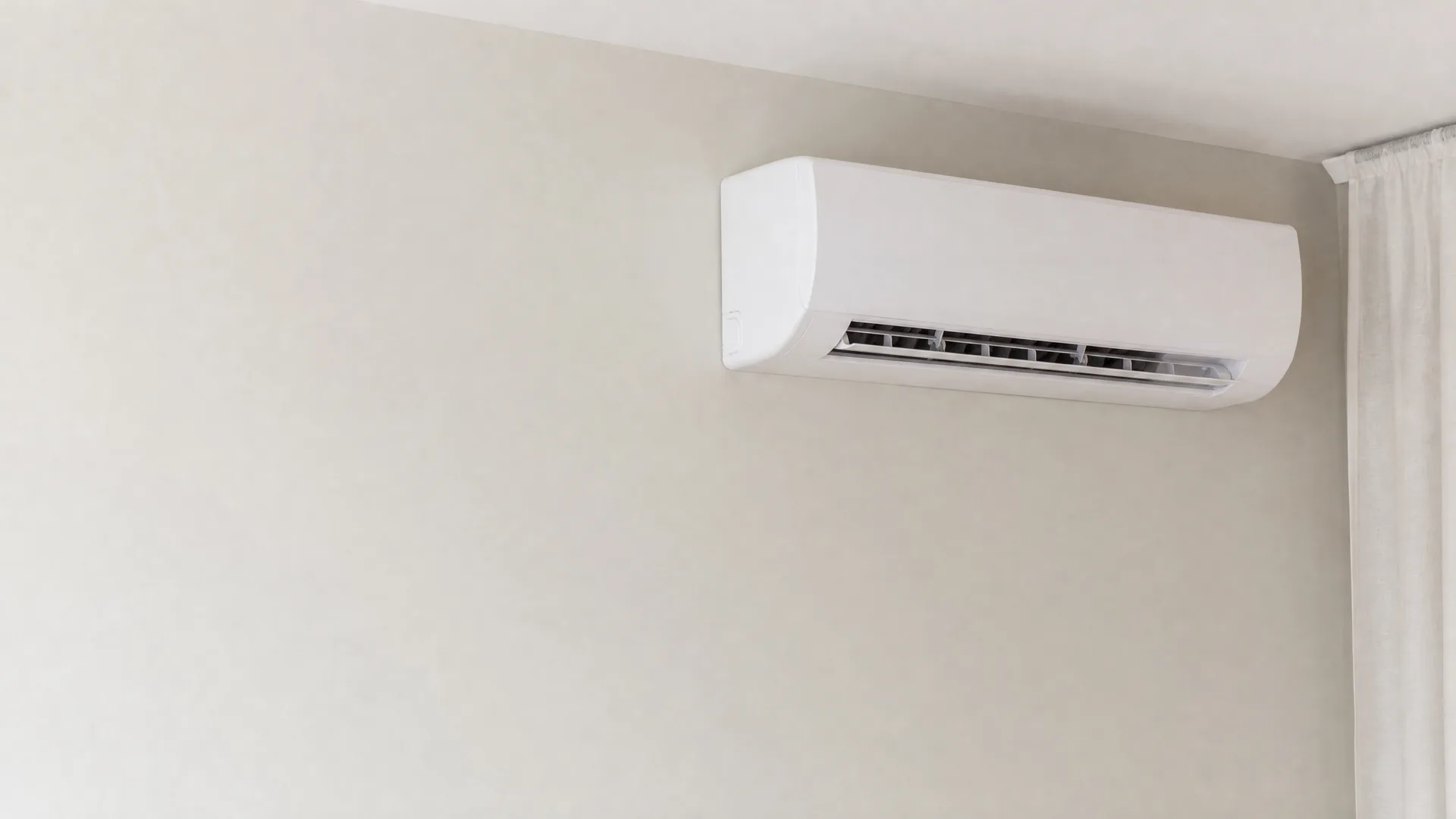
If the room you're cooling now has no ductwork, or you're heating a space that your electric system doesn't reach well, a mini split installed fresh solves a problem the old equipment never could. It runs on its own zone, so you're not paying to condition a room nobody's in. Installed well, with the outdoor unit placed out of full afternoon sun, it can cover that space for a dozen summers or more without asking the rest of your system to work harder.
A mini split in Georgia holds up for 12 to 15 years when it gets the upkeep a Georgia summer demands, and gives out sooner when it doesn't. You've seen what pushes that number either way: the coil, the filter, the spot on the wall where the sun hits hardest. Whether yours still has years in it or is due for a new one, the next step is getting someone to look at the actual unit on your actual wall. A local installer who works on these systems all summer has seen what fails first in homes around you, humid air and all, and when you're matched with one, it's a single contractor who knows this equipment, not a handful of companies working the phones. That's the kind of answer that holds up: not a guess, but someone who can put eyes on your unit and tell you where it stands.

The right pro for this job