


Running clean
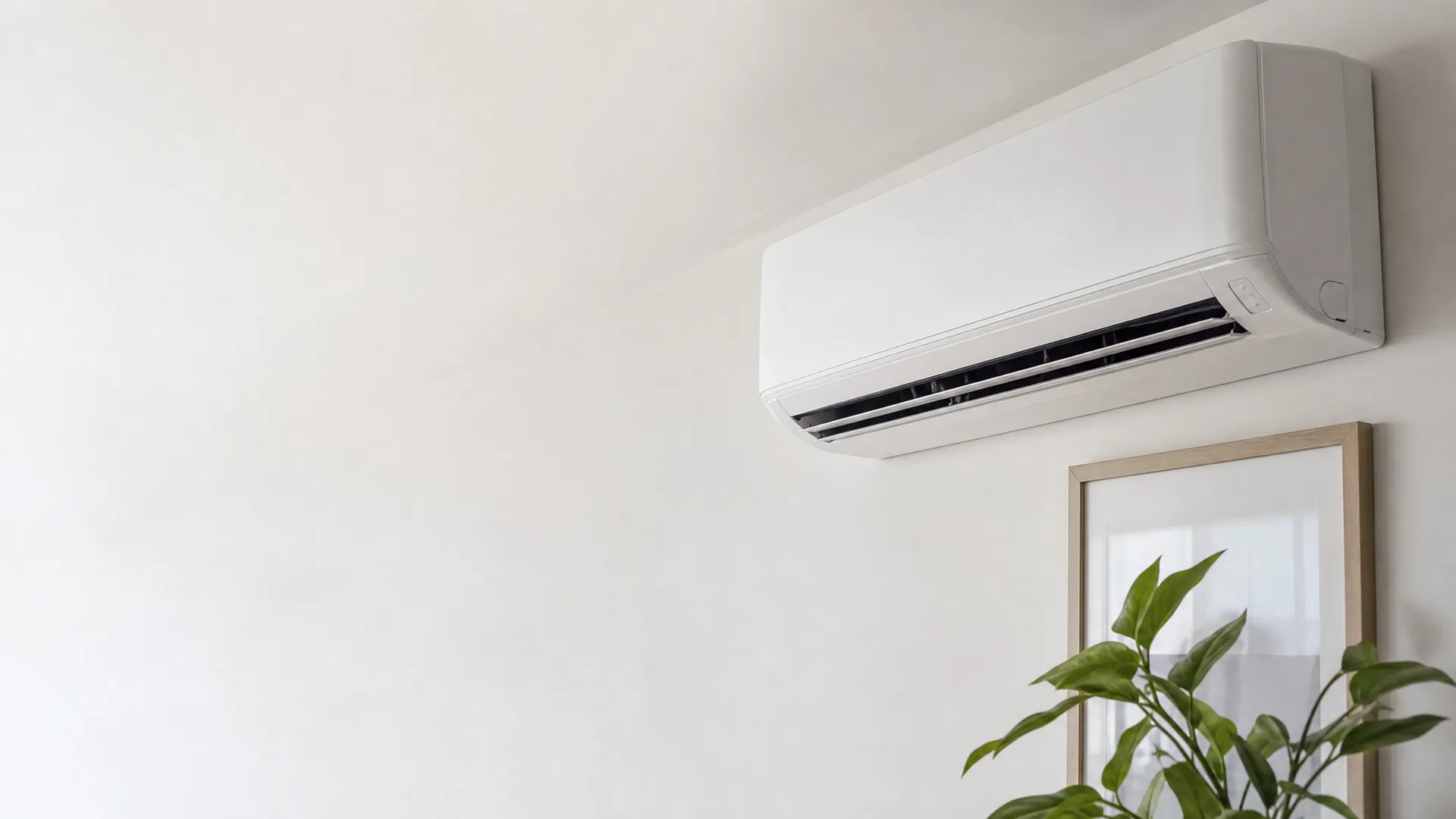
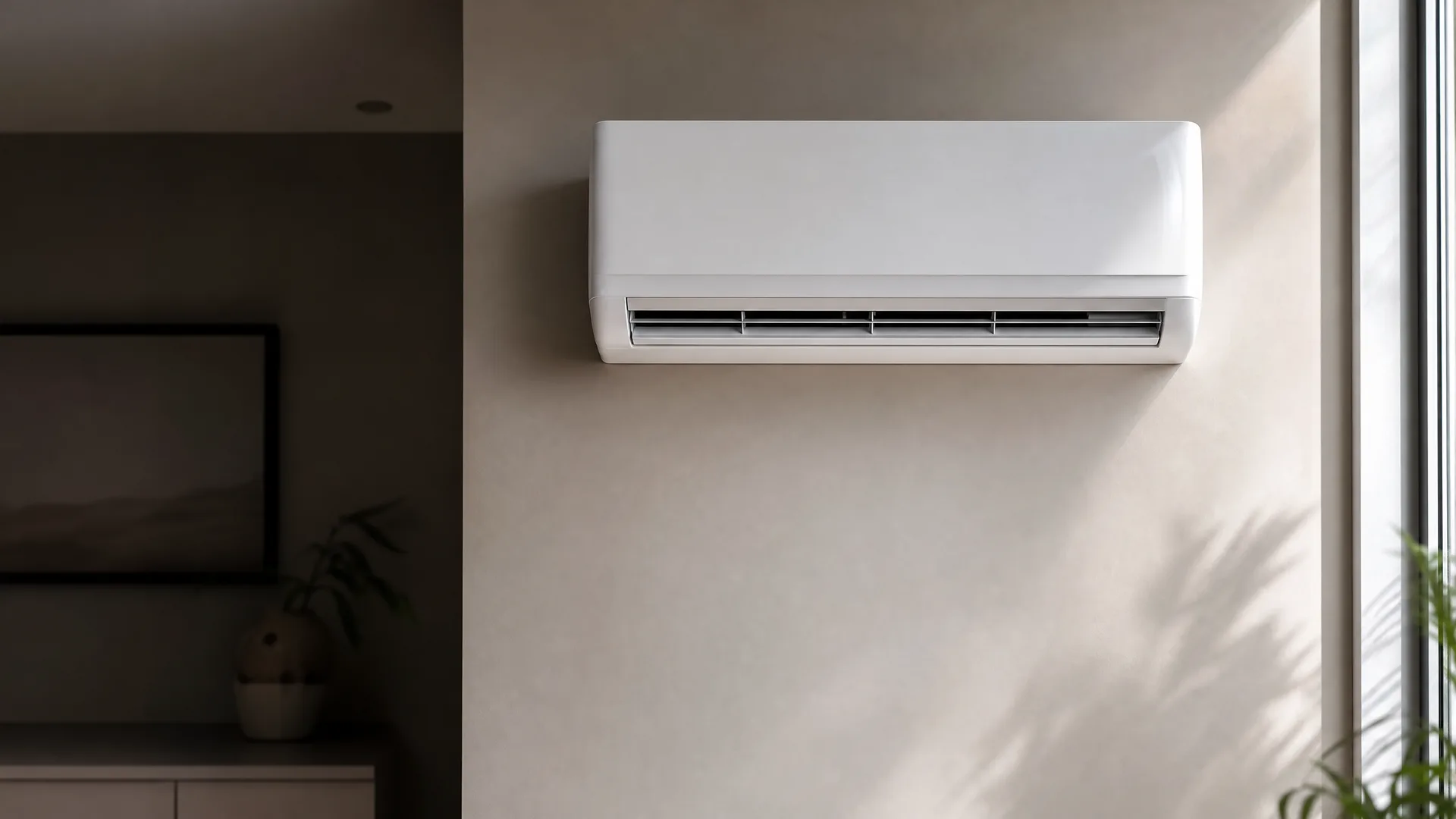
This is what a mini split should look like. The casing is clean, the coil behind it is clear, and air moves through it without the compressor straining. Set it to 72 and it holds there, even on a humid July afternoon.
A Cherokee County pro who repairs mini splits gets your request.
Get my matchA mini split that won't cool usually comes down to one of a few things: a dirty filter or outdoor coil choking off airflow, a refrigerant leak, a failing compressor, or a condenser fan that's stopped spinning. In Canton's summers, a unit already working against heat and heavy humidity has less room to cover for any of those problems, so cooling can drop off fast once something is wrong. If the indoor unit runs but the air isn't cold, check the outdoor unit first. If the fan outside isn't turning, or the coil is caked with dirt and leaves, the system can't move heat out of the house no matter how hard it tries. A low hum with no fan movement often points to a bad capacitor or motor. If everything outside looks normal and airflow is weak, the filter or coil inside is the more likely spot. Either way, something needs a hands-on look to know for sure.
Check the indoor filter and outdoor coil for dirt and blockage first.
Confirm the condenser fan outside is actually spinning.
Check refrigerant pressure at the service valves for a leak.
Test the compressor's amp draw to see if it's failing.




Cooling runs May through September
Five months of cooling, May through September, is a long stretch to ask one unit to carry without a break.
Heat runs October through April
Seven months of heat, October through April, means the same unit works most of the year, not just in summer.
Power here costs 13.88 cents per kilowatt-hour
At 13.88 cents per kilowatt-hour, a mini split losing efficiency costs you more every month it runs uncorrected.
NOAA nClimDiv 1991-2020 · EIA-861 2025
A mini split that's struggling doesn't fail all at once. It shows up first as a house that's just a little warmer than the thermostat says it should be, then as a unit that runs constantly without catching up. By the time it's obvious, you've usually lost several days of comfort already. A dirty outdoor coil is often where it starts. The compressor has to push harder to move the same heat, and that extra work lands on your power bill weeks before the unit actually quits. A refrigerant leak follows a different pattern. It doesn't stay the same size. A system that's cooling poorly today on a slow leak can be cooling not at all within a matter of days, because the refrigerant charge keeps dropping. A failed condenser fan is the sharpest version of this. Without airflow across the outdoor coil, the compressor overheats and shuts itself down, and cooling stops outright rather than just weakening. None of this is just an inconvenience in Canton's summer. A room that stays warm and humid for days at a time is harder on wood floors and trim, and on anything stored in a closet that isn't getting any airflow. Most of what makes a weak mini split worth fixing quickly isn't the repair itself. It's the stretch of 90-degree days you'd otherwise spend waiting it out.


A mini split doesn't make cold air. It moves heat from inside your house to outside it, using refrigerant that cycles between two coils. The indoor coil pulls heat out of the air in the room, and that heat travels through the refrigerant line to the outdoor unit, where it gets released outside. The fan inside just moves the now-cooled air back into the room. Run that process backward and you get heat instead of cooling, which is what the reversing valve does every winter. Every step depends on the refrigerant carrying enough heat along the way. If the charge is low, the indoor coil can still have air blowing across it, but there isn't enough refrigerant to pull much heat out, so the air coming back into the room is barely cooler than what went in. Outside, the unit needs open space around it, because that's the only place the heat has to go. A compressor that's wearing out can still turn on and run, sometimes loudly, without moving refrigerant well enough to get the job done.


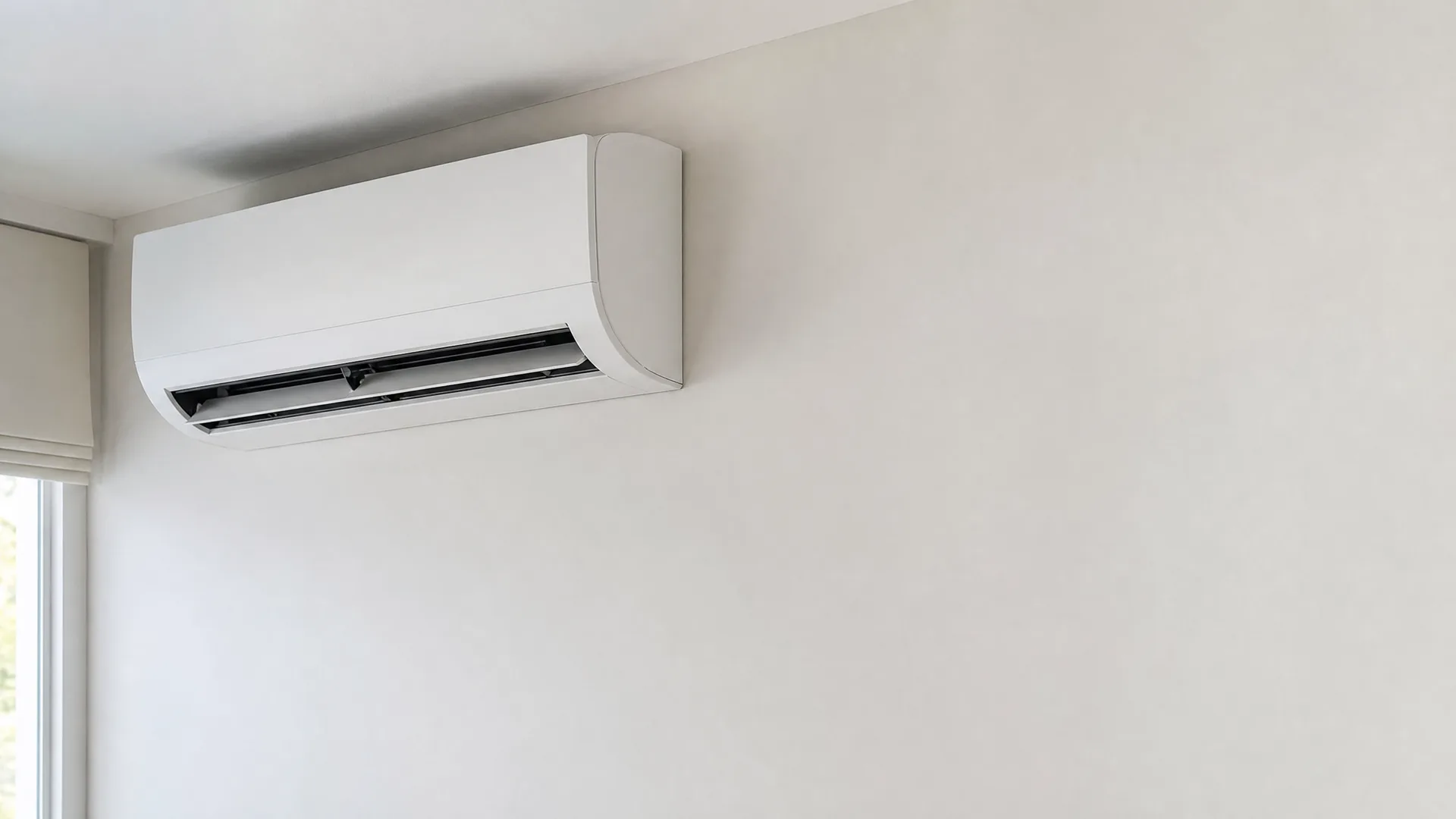
This is what a mini split should look like. The casing is clean, the coil behind it is clear, and air moves through it without the compressor straining. Set it to 72 and it holds there, even on a humid July afternoon.

Dust and grime have built up across the casing and vents, and the filter inside is just as caked. Airflow through a unit like this drops, so it runs longer to reach the same temperature, and in Canton's summer heat it may never get there.


A unit that runs all afternoon without bringing the house down a single degree is working against something specific, not just the heat outside. Most of the time it's one part doing that, a stuck fan, a weak compressor, a slow refrigerant leak, and finding which one takes someone who opens these units up for a living, not a guess from a filter change. Cherokee County doesn't give a mini split much room to coast. By the time July turns into August you've already had months of the compressor running near its limit, and a unit that's been struggling quietly for weeks can go from "not quite cold enough" to not running at all on the one week you need it most. A local contractor who services this equipment every summer has likely seen your exact symptom before and knows where to look first. Getting someone out now, while the unit is still running even poorly, is easier than waiting until it isn't running at all.
The outdoor unit does the harder job. It has to dump the heat pulled out of the house into air that's already 90 degrees or more most summer afternoons in Canton. A fan that's slowed down or a coil packed with cottonwood and grass clippings cuts how much heat it can shed. Refrigerant pressure drops when there's a leak anywhere in the line set, and once pressure is low, the system moves less heat no matter how hard the compressor runs. All three problems look the same from inside the house: warm air still coming out of the vent, the unit still running.
A technician reads refrigerant pressure at the service valves because that number tells them whether the charge is right or the system is leaking. They check amp draw on the compressor because a compressor pulling more current than it should is usually wearing out, even if it hasn't failed yet. They look at the coil and the fan before anything else, since those are the cheaper fixes and ruling them out first saves tearing into the refrigerant side for no reason. Each check points to a different repair, and the order matters because fixing the wrong thing first just costs time.
Five months is most of the year your mini split has to work without a break. There's no spring or fall stretch to go easy on it. If a part is already struggling, May through September is when it gets found out.
NOAA nClimDiv 1991-2020
You can pull the filter and hose it off, clear leaves and cottonwood from the outdoor coil, and check that nothing is blocking the condenser fan. That handles airflow problems and it's worth doing before anything else. It won't help if the compressor is weak or the refrigerant has leaked out, and opening the line set to check pressure takes gauges and a license most homeowners don't have.
A contractor who works on mini splits in Cherokee County every summer has already seen most of what causes this. They'll check amp draw on the compressor, pressure at the service valves, and whether the fan motor is pulling what it should. One visit gets you an answer on all of it, and you're dealing with one company, not fielding calls from several, for a system that has to carry your whole summer.

A mini split that won't cool in Canton heat is telling you something specific, not just struggling against the weather. Airflow, refrigerant, the fan, the compressor. One of those is the reason, and it can be found by checking each in order rather than guessing.
A local contractor who works on these units all summer has likely seen your exact problem before, more than once. Matching you with one means someone familiar with the brands and setups common around Cherokee County looks at your unit specifically, not a general call center guess. You'll hear from one contractor, not a handful competing for your number.

Find a mini split repair pro in Cherokee County