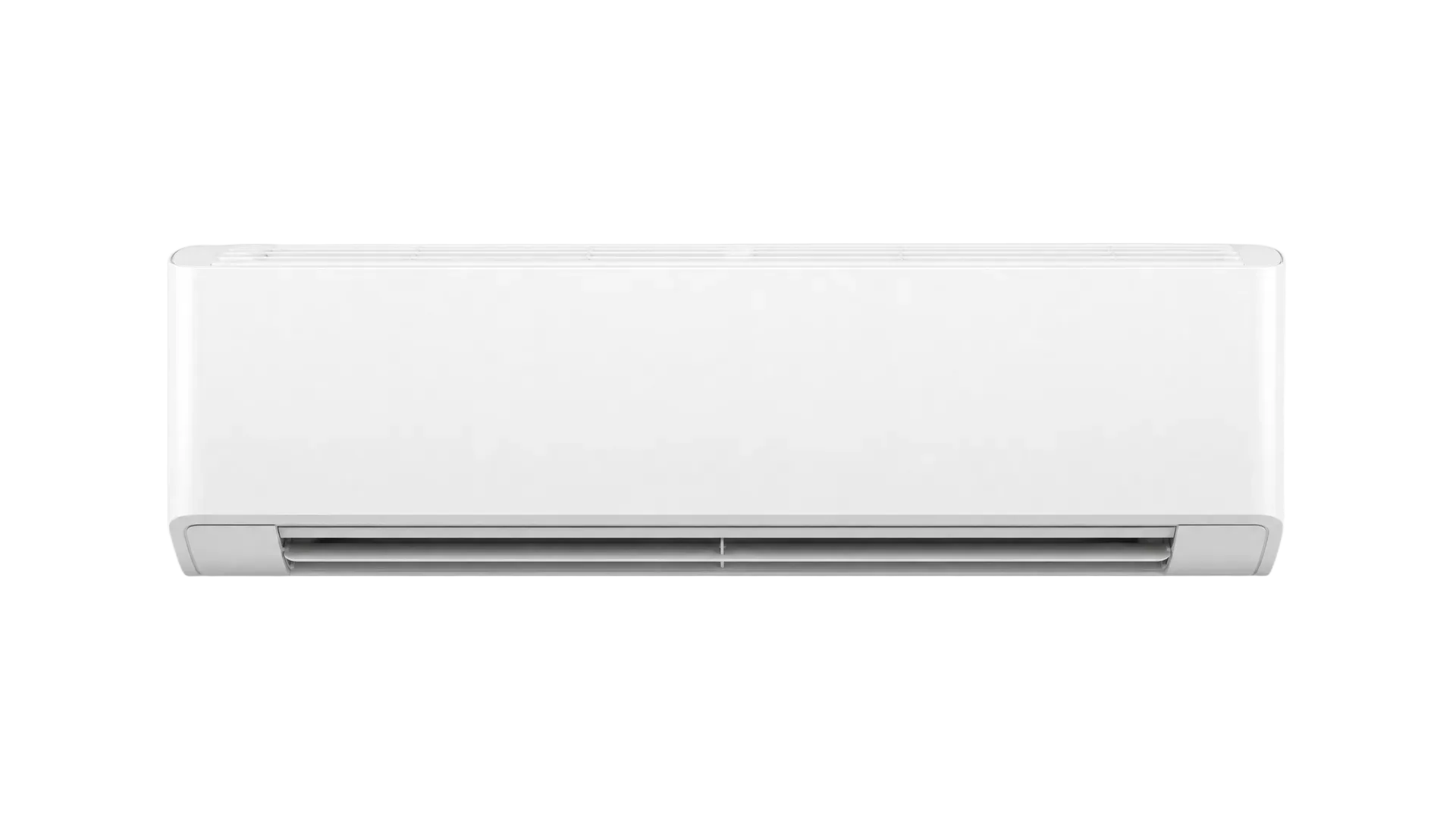
Clean and running free
Air moves out of the vents at full strength and the room cools evenly. The filter behind the panel is clear enough to see through, so the unit pulls air through it instead of fighting it all summer.
Mini splits run almost nonstop through a Cherokee County summer, and most of them cool or heat one room or zone all on their own, no ductwork sharing the load. That means the filters and coil inside catch everything the air in that room carries, and it builds up faster than people expect. If you're asking how often to clean yours, you've probably noticed it running longer than it used to, or you're just trying to stay ahead of it this year.
The filters need the most attention because they sit right in the airflow and catch dust, pollen and lint every time the unit runs. In a Canton summer that stretches long and sticky, a mini split can run daily for months, so filters that might go six weeks between cleanings elsewhere here need it closer to every two to four weeks. Beyond the filters, the coil, blower wheel and condensate drain need a full cleaning once a year, usually before summer starts, since those parts aren't something you can reach or clean the way you can a filter. Skip either one and the unit works harder to move the same air, which shows up as weaker cooling and a higher power bill.
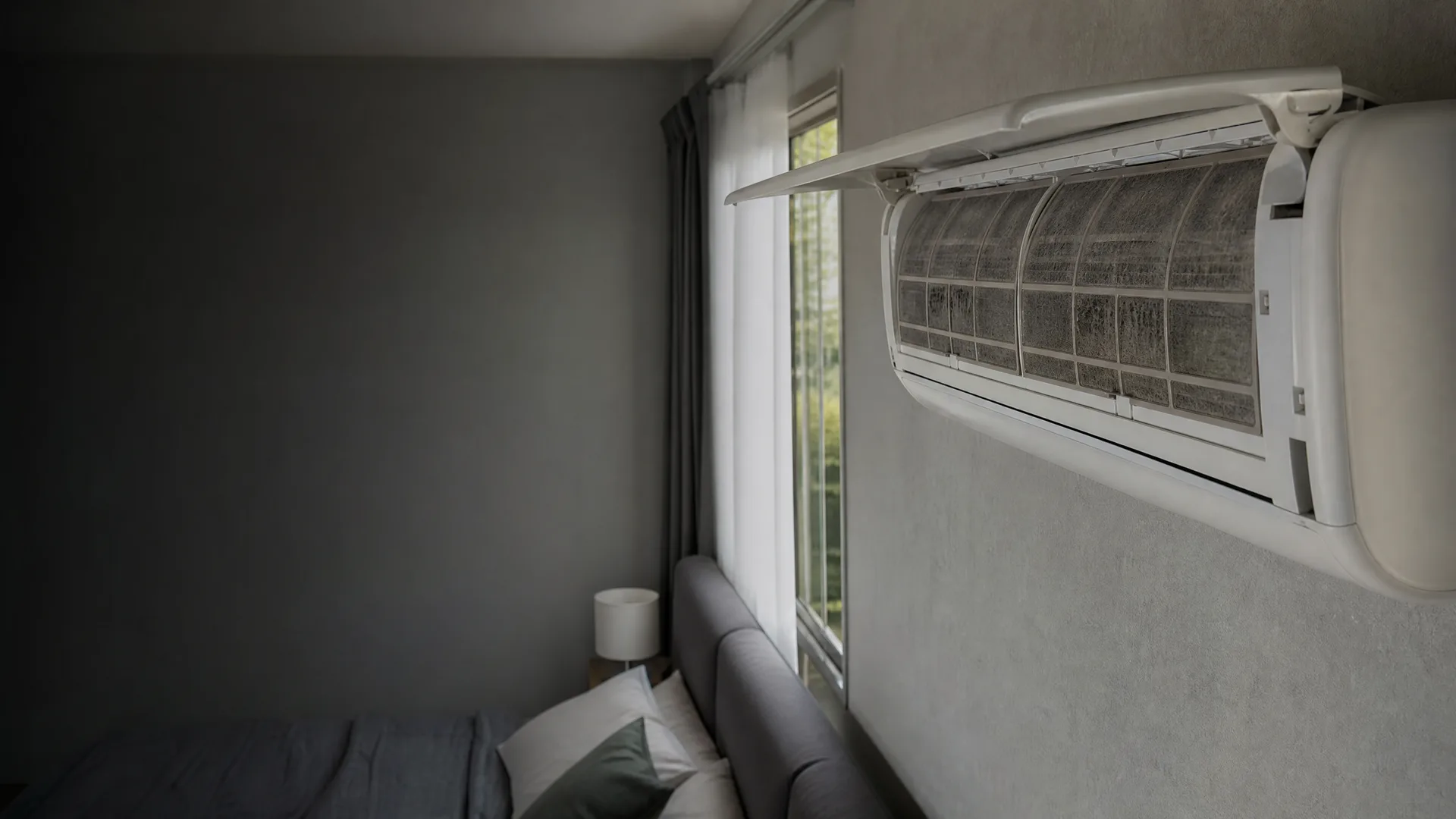
You pull the cover off the indoor unit on a warm spring afternoon, getting the bedroom ready before the real heat sets in. The filter screen behind it is grey with dust, matted enough that you can't see through the mesh. You hadn't planned on this taking long. The unit's been running a lot already, even in March, and you can see where the airflow's been working through that buildup. Pollen season in Cherokee County doesn't help. You slide the screen out to rinse it, thinking about how many months this thing has ahead of it before fall gives it a break, and how little you've thought about this filter since last year.
Cooling runs May through September
Cooling runs May through September here, and a dirty filter fights the unit the whole stretch, not just on the hottest days.
Heat runs October through April
Heat runs October through April, so the same indoor coil you're asking to cool all summer turns around and carries your winter too.
Power here costs 13.88 cents per kilowatt-hour
At 13.88 cents per kilowatt-hour, a coil caked with dust makes the unit run longer to hit the same temperature, and that shows up on the bill.
NOAA nClimDiv 1991-2020 · EIA-861 2025

Air moves out of the vents at full strength and the room cools evenly. The filter behind the panel is clear enough to see through, so the unit pulls air through it instead of fighting it all summer.

Grime builds along the edges where air should be moving freely. The coil behind that dirt is losing contact with the air passing over it, so the unit runs longer to do the same job.




A mini split moves heat by passing air over a cold or hot coil, and dust is an insulator. Once it coats the coil, the refrigerant inside still changes temperature the same as always, but less of that heat actually transfers into the air passing by. The unit answers by running longer to hit the temperature on the thermostat, cycling on again sooner than it would with a clean coil. Through a Cherokee County summer that runs May to September, that difference plays out day after day, not once. The coil never shows you this directly. The vents just feel a little less cold, the room takes a little longer, and the unit is on more than it used to be.
The filter sits ahead of the coil and catches what would otherwise land on it. A clogged filter restricts how much air the blower can pull through at all, so even a coil that was just cleaned starts picking up dust faster and the airflow drops regardless. That is why cleaning the filter matters as much as cleaning the coil behind it, not instead of it. A filter you can't see through is already past the point of doing its job. Checking it against a bit of daylight is a fast way to tell, no tools needed, and it gives you a straight answer before the unit has to work harder to make up for it.


You already know the filter needs a rinse and the coil needs a look, probably more than once a year given how long your mini split runs here. What you don't know is whether the last place you called actually showed up, or whether the one before that did the job right. Finding someone for this usually means searching local listings, calling two or three numbers, explaining the same thing about the unit each time, then sitting on quotes trying to guess which one is honest. That's the part worth handing off. Send the request and a licensed contractor in Cherokee County takes it from there, so you're not the one chasing anybody down before the unit has to carry another Canton summer or another cold stretch in January.
The indoor unit is just one side of the job. Room air gets pulled in, passed over a coil that's either cold or hot depending on the season, and pushed back out by a blower wheel sitting right behind the filter. That blower has to stay balanced to move air evenly, and dust settling on its blades throws it off the same way a dirty filter does, just further back where the panel doesn't reach. Outside, the compressor and condenser coil are doing the other half of the work, shedding whatever heat got pulled from inside the house. Those outdoor fins sit low to the ground and low to whatever's growing near them, so leaves, grass clippings and pollen pack in there over a Cherokee County summer without anyone noticing until the unit starts struggling. There's also a drain line most people never think about, running from the indoor coil out to the exterior, carrying off all the condensation the unit pulls out of the humid air. It can clog with the same buildup that coats everything else. None of this involves the refrigerant. The lines connecting the indoor and outdoor units are sealed and don't get used up over time, so if a mini split is cooling or heating less than it used to, the cause is almost always sitting in the filter, the coil or the drain line, not a leak. A proper cleaning gets a coil brush into the fins and rinses them straight, which is more than wiping the front panel ever does.


The indoor filter stays clear and the coil stays free of dust, so the unit pulls full airflow through a Cherokee County summer and into the winter heating months without working harder than it has to.
Dust builds on the coil and blower wheel while the unit runs almost nonstop, so it works harder to move the same air and the parts inside wear under that extra load.
Some homes in Cherokee County run a single mini split as the only source of heat or cooling for an addition, a converted garage, or a whole small house. When that's the case, there's no backup to fall back on if the filter clogs or the coil frosts over. The one unit has to keep up with every muggy day from May through September and every cold snap from October through April, so neglect shows up fast in the room it serves.

Other homes have a mini split covering just a sunroom or a bonus room above the garage, while a furnace and central air handle the rest of the house. Here a dirty filter or coil mostly costs you comfort in that one room, not the whole house. It's easier to let maintenance slide when the ducted system is still carrying the load, but the unit still has to work harder for the same result.
Five months of cooling means five months of your mini split pulling humid air across that coil without a break. A filter you forget in May is still dirty in September, working against the unit the whole time, not just on the hottest days.
NOAA nClimDiv 1991-2020
A mini split in Cherokee County earns its keep by running nearly year round, and that's exactly why the filter and coil need regular attention rather than a once-a-year glance. Rinse the filter a few times during the stretch it runs hardest, and have the coil and blower wheel looked at by someone who can get behind the panel, not just wipe what's visible. Skip it and the unit keeps running, just worse: weaker airflow, a harder-working compressor, a room that never quite feels right. You don't have to track down who does this work, call a handful of numbers, explain the same thing to each one, and then sit with quotes trying to guess who'll actually show up. Send the request once and that search is off your plate. What's left is simple: a mini split that gets cleaned on the schedule it actually needs, instead of the one you hoped would be good enough.
Finding a pro stops being your job