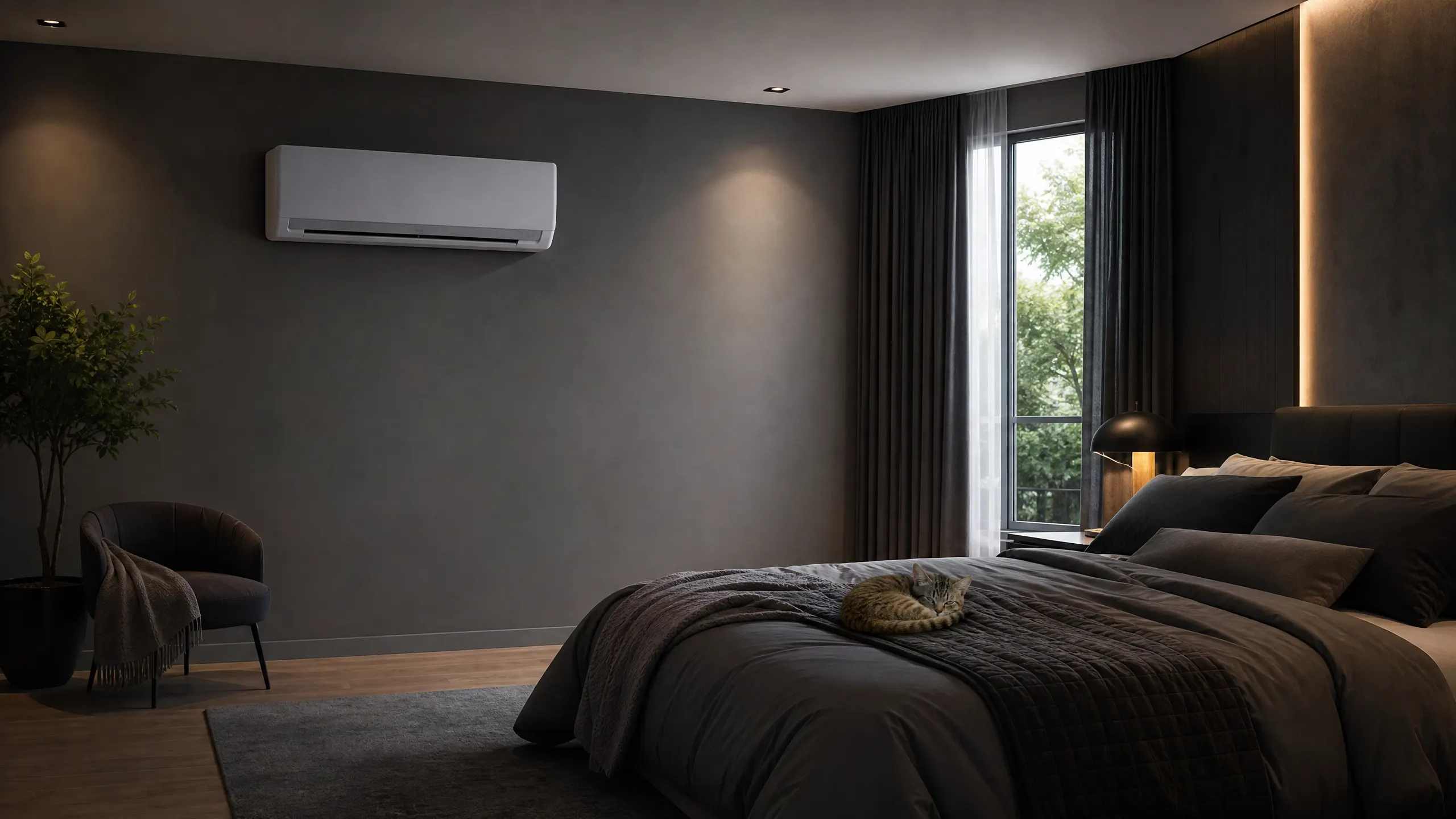






A tabby cat sleeps on a large bed in a dark, modern bedroom equipped with a wall-mounted air-conditioning unit.

Mini Split Installation in Brunswick, GA

Tell us about the job

Takes about a minute. No obligation.

New system or replacementMini-splitGlynn County, GA
Step 1 of 2

What ZIP code is the job in?

Electricity in Glynn County runs 15.85 cents per kilowatt-hour. A mini-split that sits at a low efficiency rating will pull on that rate every time it cycles on, and with electric heat common here, that's most of the year. The SEER2 and HSPF2 numbers on the unit you choose aren't just specs on a sheet. They decide how hard the compressor works to hold a temperature, month after month. A higher-rated system costs more to buy. It costs less to run here than it would almost anywhere else you'd compare it to.

5 months
November through March, your system heats
7 months
April through October, it cools
43°F
the average winter night it heats against
91°F
the average summer afternoon it cools against
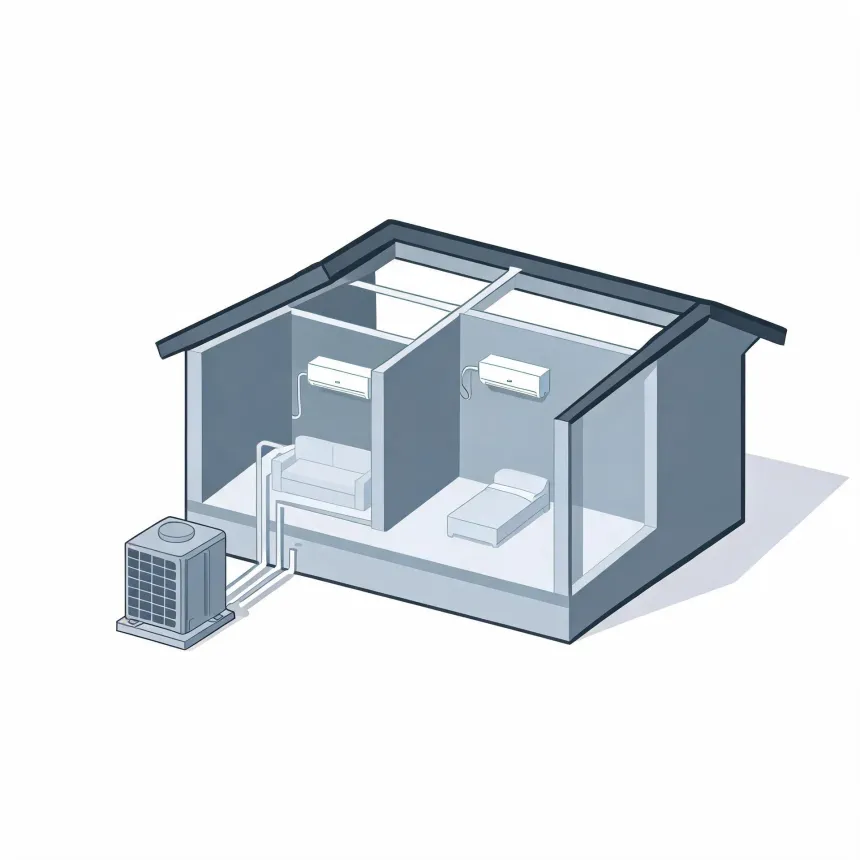
Illustrated cutaway of a two-room house showing two wall-mounted indoor air conditioning units connected by pipes to an outdoor condenser unit on the ground outside.
Your system heats November through March and cools April through October.

NOAA nClimDiv, 1991–2020 normals

A mini-split in Glynn County runs cooling for roughly seven months, with afternoon highs averaging 91°F through June, July and August.

A system sized and installed right for that load keeps earning its keep long after a cheaper one starts struggling.

Get it in before April, while it's still your schedule and not a scramble

Cooling runs April through October
Summer afternoons average 91°F
17 tropical storms and hurricanes from 2015 to 2024
Electric Already Runs This County86% of homes here heat with electricity, and a mini-split fits right into that.

Glynn County falls under climate zone 2A, a hot and humid zone where cooling carries the load most of the year. Any mini-split installed here, ducted or not, falls under the same federal rule as other split-system heat pumps: units built from 2023 onward have to hit at least 14.3 SEER2 for cooling and 7.5 HSPF2 for heat. That's the floor, not a target to aim for. A contractor quoting a system below those numbers isn't offering you a deal, they're offering you something that can't legally be installed new. Some buyers go higher than the minimum anyway, since a unit that clears the floor by a wide margin tends to hold up better against a load this steady.

Pick the rating before the price

The SEER2 and HSPF2 rating you pick now is what the compressor runs on for years. Ask the contractor for the numbers on the unit they're quoting, not just the price.

Find a contractor
A man in a cap, dark jacket and tan work pants carries a canvas tool bag up concrete porch steps toward an orange front door, with a potted shrub beside the entry.
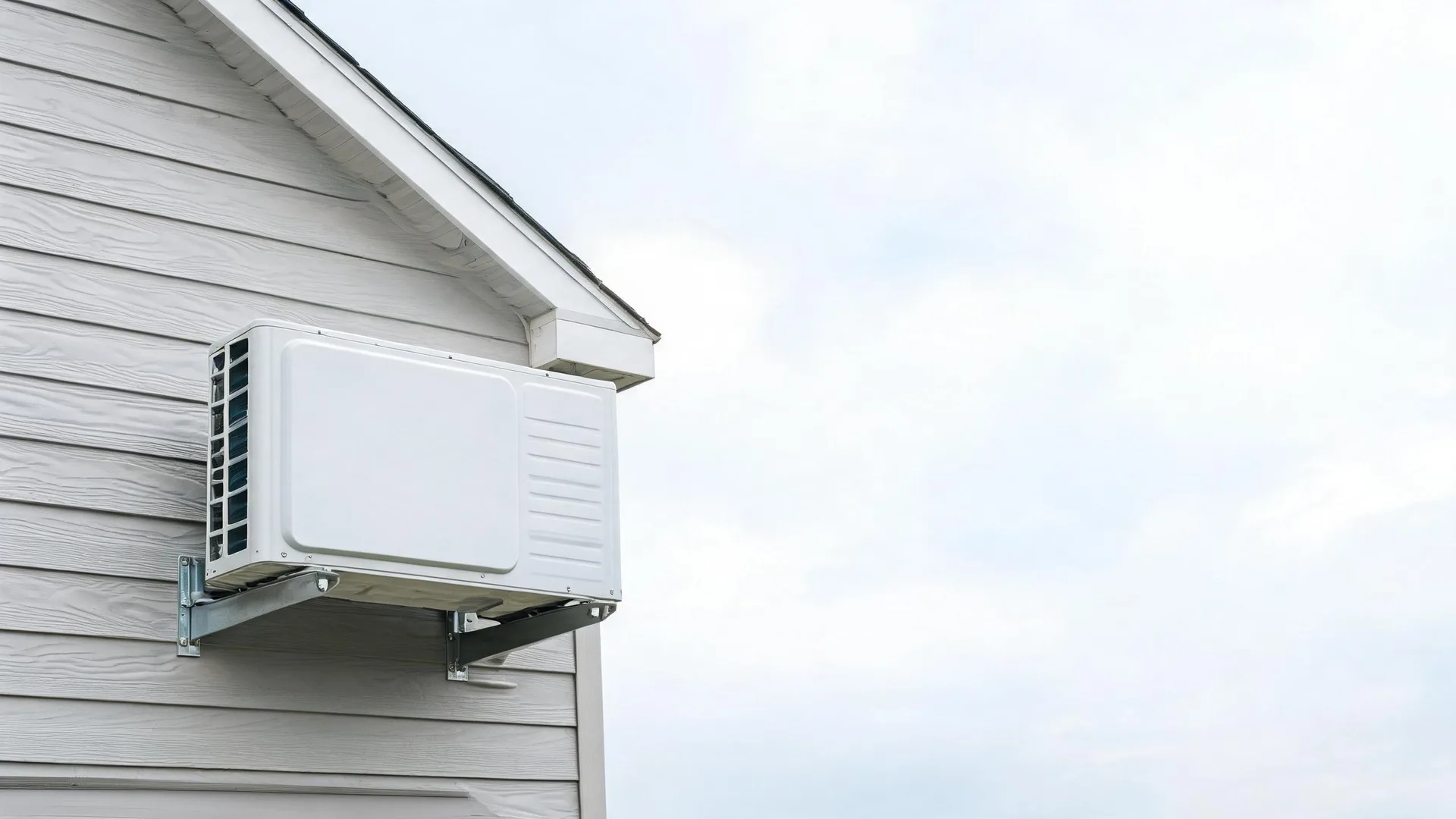
A beige split-system air conditioner outdoor condenser unit mounted on metal wall brackets atop a stucco wall.

This Unit Doesn't Get a Season Off

The outdoor unit runs cooling about seven months a year here, April through October, with afternoon highs averaging 91 degrees through the worst of summer. That's the compressor cycling on most days for most of the year. Glynn County has also seen 17 tropical storms and hurricanes between 2015 and 2024, so the same unit sits outside through wind and heavy rain on a regular basis. Ask what the outdoor unit is built from before you compare prices. A compressor and coil built to hold up under that kind of load are worth more than a unit that just clears the minimum rating.

Sizing Is a Calculation, Not a Guess

The right size for a mini-split comes from a room by room load calculation, not the square footage of the house or the size of the unit being replaced. That calculation weighs window area and orientation, insulation, ceiling height, and what else gives off heat in the room. Skip it and you're guessing.
Oversized Runs Worse Than Undersized

A mini-split that's too big cools the room fast, then shuts off before it pulls the moisture out of the air. That leaves the room cold and still feeling damp, and it means the compressor is short cycling instead of running a steady stretch. A unit sized to the actual load runs longer cycles and holds the room steadier.

SEER2 measures how much cooling a system produces for the electricity it draws, and HSPF2 does the same for heat. Both numbers come from lab testing under fixed conditions, not from any one house, so think of them as a way to compare units against each other rather than a promise of what you'll see on a bill. A higher rating generally means the compressor can produce the same cooling or heat while pulling less power to do it. Two units with the same rating can still behave differently once they're running, because the rating doesn't account for how the system was sized or installed. A unit that's rated well but installed poorly, with the wrong charge or bad airflow across the coil, won't deliver what the label suggests. The rating tells you what the equipment is capable of. Getting that out of it is a separate job.

Installation starts with the walk-through, deciding exactly where the indoor head and outdoor unit go before anyone touches a drill. The indoor unit needs a clear path across the wall to the outside, and the outdoor unit needs ground or a mounting bracket where air can move freely around it on all sides. Once that's set, the crew runs the line set, the copper lines that carry refrigerant between the two units, through a small hole in the wall, then connects it to both ends. That connection gets pressure tested before anything is charged, because a joint that leaks slowly can run fine for months before it shows up as a loss of cooling. The system gets evacuated to pull moisture and air out of the lines, then charged with refrigerant to the amount the manufacturer specifies for that line length. Last comes the electrical hookup and a run test, checking that the head is actually pulling down the room temperature and that the outdoor unit isn't short cycling. A clean install shows almost nothing on the wall besides the head and a thin line hidden in a cover.