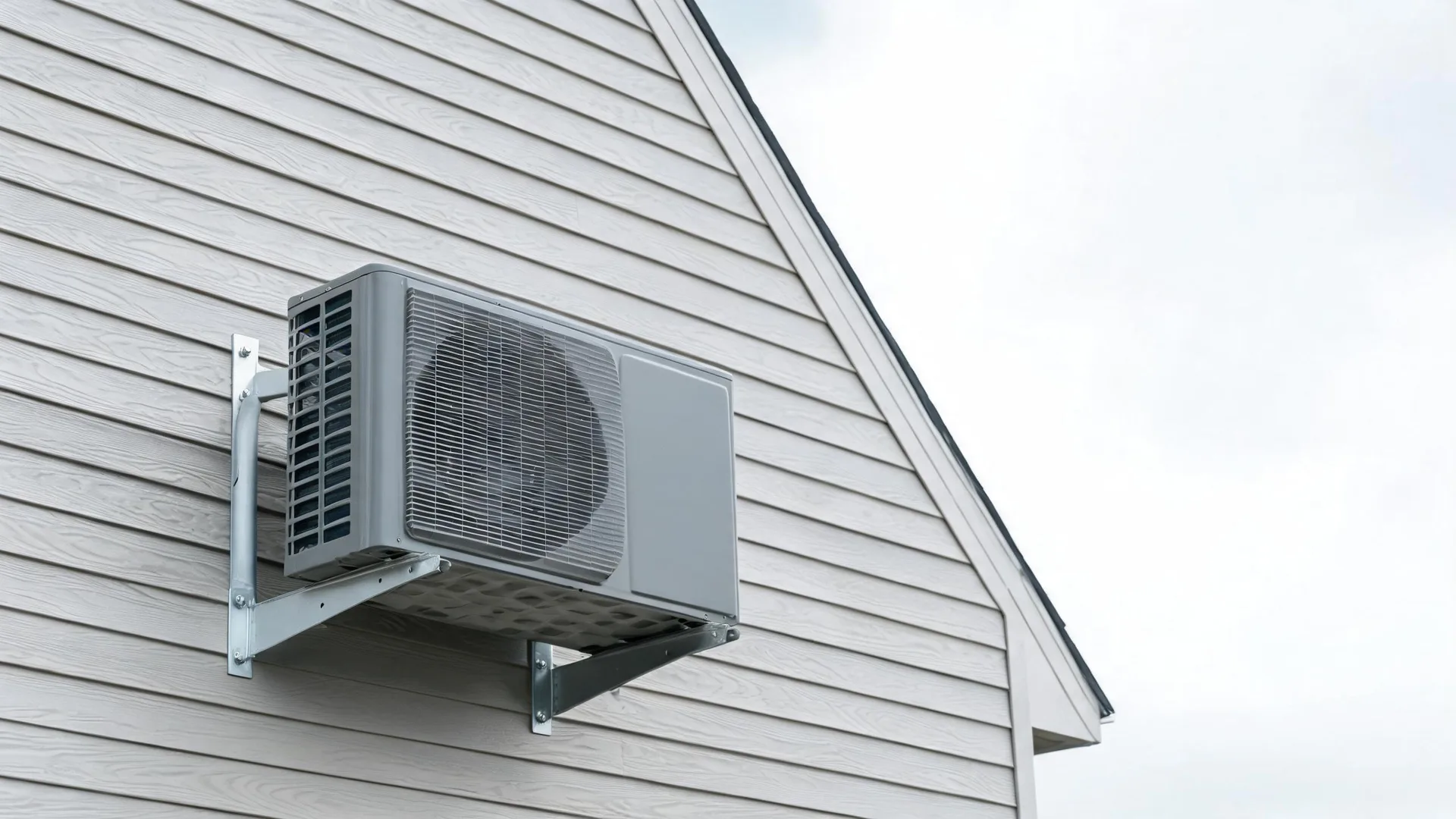
Most homes here run on electric heat
Electricity heats close to 7 in 10 homes in Gordon County. A mini split fits right into that setup since it runs on electricity too, with no gas line or propane tank to work around.
Takes about a minute. No obligation.
Electricity heats close to 7 in 10 homes in Gordon County. A mini split fits right into that setup since it runs on electricity too, with no gas line or propane tank to work around.
Some homes here use electric baseboard, wall units, or an electric furnace. A mini split takes over the job of heating and cooling the space, and in most cases uses less electricity doing it than older electric resistance heat.
NOAA nClimDiv, 1991–2020 normals
The cost of a mini split job comes down to how many zones it needs to cover and how far the lines have to run.
Every indoor head, every wall penetration, and every foot of line set adds to the labor, so a one-room job and a whole-house job aren't priced the same way.



Gordon County logged 70 severe weather events between 2015 and 2024, mostly wind and hail. That doesn't change what size or type of mini split a home needs. A one-zone or multi-zone system gets sized to the square footage and layout of the space, same as anywhere else in the county. Worth knowing separately, the outdoor compressor loses power when the grid does, same as a central AC unit would. Nearly a third of Georgia households went at least a day without power in 2024, so that's worth planning around no matter which system goes in.
Nothing about Calhoun calls for an oversized system or a special setup. A unit sized to the room or the house, at a normal efficiency rating, does the job here. At 14.08 cents per kilowatthour, the main thing worth getting right is sizing it to the space instead of paying for capacity you won't use.
Find a contractor
That efficiency rating measures how much heat the system moves per unit of electricity it uses, averaged over a season of running hot and cold. A higher number means the compressor is doing more work with less power, not that it's a bigger or stronger unit. A mini split with a high rating and one with a lower rating can heat and cool the same room equally well, the difference shows up on the electric bill, not in comfort. That difference compounds over every hour the compressor cycles on, year after year. What the rating won't tell you is whether the unit is sized right for the room, and a mini split that's too big or too small for the space runs poorly no matter what's printed on the label.
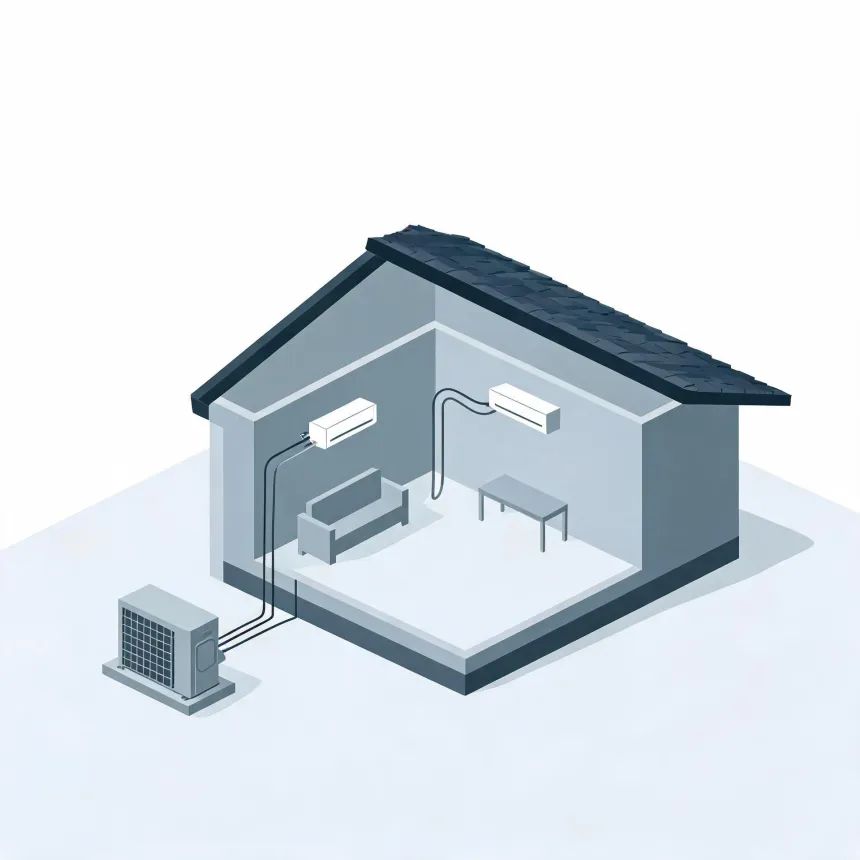
The indoor head and outdoor compressor connect through a line set that carries refrigerant between them. Someone has to decide where that line runs. It might go through an exterior wall, up a chase, or along the roofline. A longer or more complicated run means more refrigerant, more joints, and more places a leak can start. Ask where the line goes before the job starts, not after the hole is drilled.
The indoor head pulls moisture out of the air, and that water has to go somewhere. Most setups run a condensate line alongside the refrigerant lines to a drain or to the outside. If that line is too flat or too long, water backs up into the unit instead of draining. Ask how the condensate will drain and where it exits before deciding on a location for the indoor head.
If there's a working furnace, baseboard, or window AC in place now, nobody's required to haul it out the same day the mini split goes in. Electric baseboard can stay as backup heat in a room that rarely gets used. A gas furnace usually gets left alone, since the mini split is handling cooling and shoulder season heat while the furnace covers the coldest stretch. Window units are the easiest call, they come out once the indoor head is in and running. The one thing worth checking is whether the old system shares a thermostat or circuit with anything else, since that affects how it gets disconnected or left in place.
The crew starts outside, picking a spot for the compressor with enough clearance around it for air to move. Inside, the indoor head gets mounted on a wall bracket, usually high up, after someone checks what's behind that section of wall before drilling. The hole for the line set goes through next, angled slightly so any water runs back outside instead of in. Once the lines are run and connected, the system gets evacuated with a vacuum pump to pull out air and moisture before refrigerant goes in. That vacuum step matters more than people expect, since trapped moisture in the lines causes problems well after the crew is gone. Last comes the test run, cooling and heating both, checking the drain and making sure the head reads the right temperature at the thermostat.