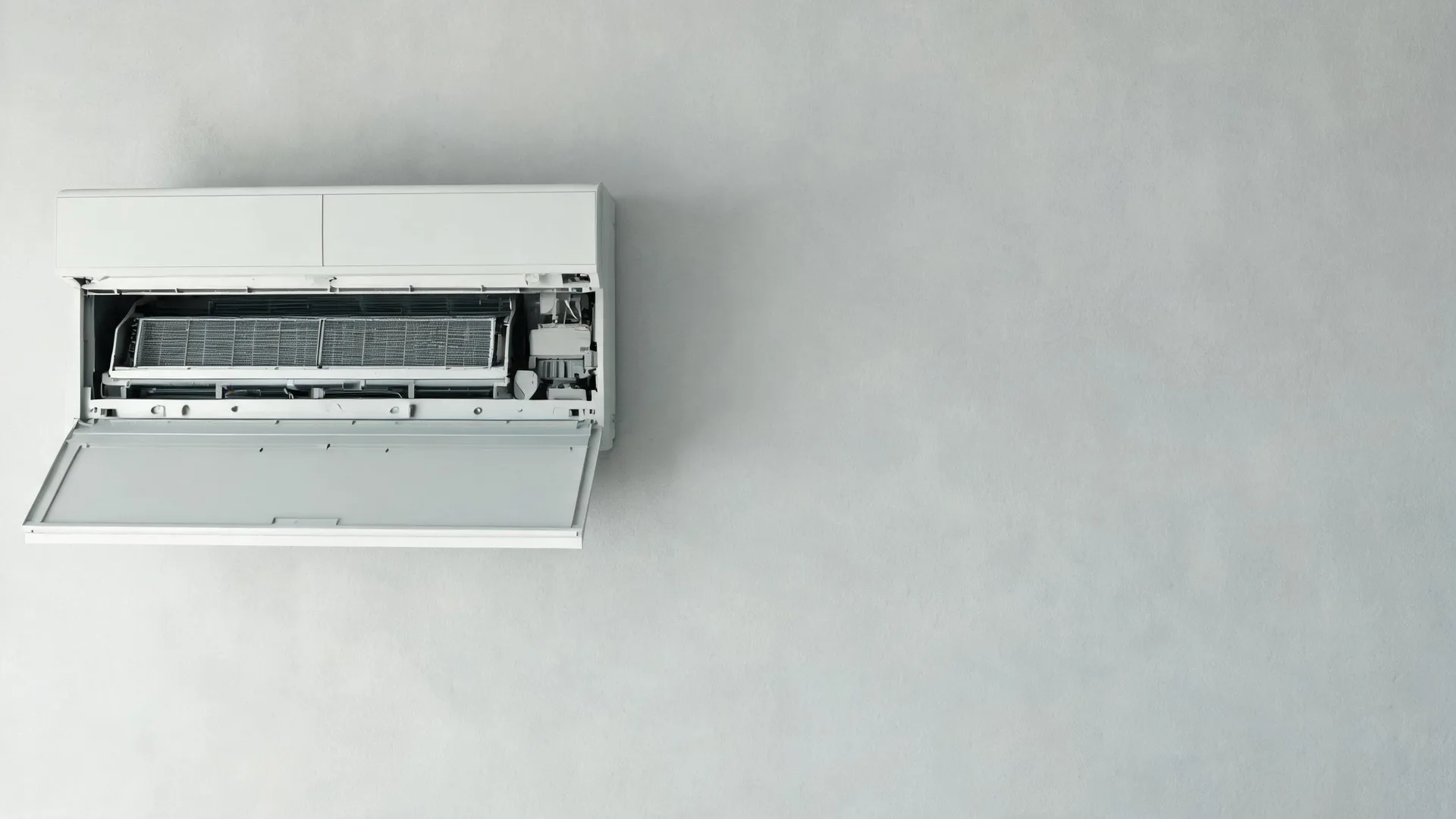
A white wall-mounted split air conditioning unit in a dimly lit modern room, with a full moon visible through the window at night.

Mini Split Installation in Dallas, GA

Tell us about the job

Takes about a minute. No obligation.

New system or replacementMini-splitPaulding County, GA
Step 1 of 2

What ZIP code is the job in?

Paulding County sees its share of severe weather

Paulding County recorded 143 severe weather events between 2015 and 2024. Damaging wind caused 125 of those, hail hit 7 times, and a tornado touched down once. Tropical storms and winter storms each affected the county three times.

A mini-split has to survive what comes with the territory

An outdoor unit sits outside through all of it, exposed to wind-driven debris and hail. Statewide, 31% of Georgia households lost power for 24 hours or more in 2024, and a mini-split won't heat or cool through an outage any more than a furnace will.

7 months
October through April, your system heats
5 months
May through September, it cools
34°F
the average winter night it heats against
88°F
the average summer afternoon it cools against
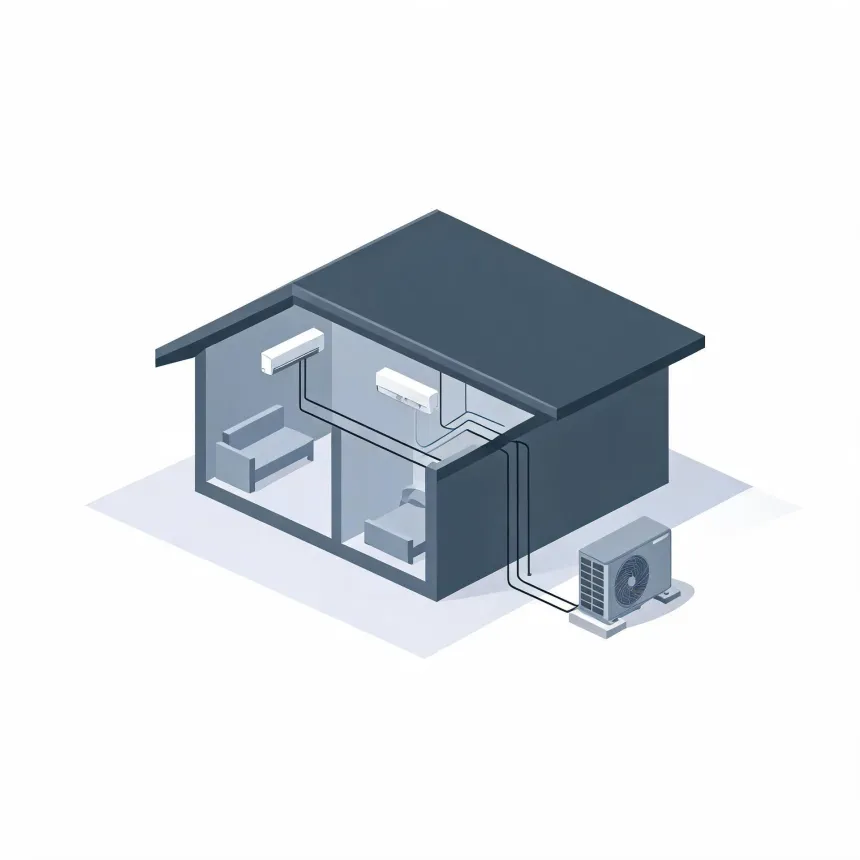
Isometric illustration of a cutaway house showing two wall-mounted mini-split indoor units connected by line sets to an outdoor condenser on a pad outside.
Your system heats October through April and cools May through September.

NOAA nClimDiv, 1991–2020 normals

Summer afternoons here average 88°F with a dew point near 67°F, and cooling runs from May through September.

A mini-split has to carry that load for five straight months, not just a hot week or two.

Most homes here heat with gasGas heats 51.6% of homes in Paulding County, electricity heats 42.9%.

Paulding County falls under zone 3A in the 2021 energy code, a warm, humid zone with a long cooling season. Any split-system heat pump installed here, ductless units included, has to clear the federal minimums for that kind of system: at least 14.3 Btu of cooling for every watt-hour of electricity, and at least 7.5 Btu of heat for every watt-hour it uses to heat. Those numbers set the floor. A contractor sizing a mini-split for this county has to pick equipment that meets them, not just whatever unit happens to be in stock.

Pick the mounting spot and the backup plan before install day

Walk the install site with the contractor before the outdoor unit goes in. Ask where it sits, what shelters it from wind-driven debris, and how it's secured against hail. Ask what happens to heat and hot water if the power drops, and whether a transfer switch or generator hookup makes sense for this install. Settling those questions now costs nothing once the crew is already on site.

Find a contractor
A white mini-split air conditioner outdoor condenser unit mounted on metal brackets against a beige stucco exterior wall, with a blue sky and scattered clouds in the background.

Five months of full load, every year

Five months of 88 degree afternoons is the baseline load. Size the system for that stretch, not for a mild week in May, and ask the contractor to show the math behind the unit they're proposing rather than taking the size on faith.

Ask what happens when the power comes back

A mini-split should restart on its own once power returns, without anyone touching a breaker or a remote. Ask the contractor whether the indoor and outdoor units need a manual reset after an outage, and what settings it comes back to. Some units hold the last mode and temperature, others default to off until someone tells them otherwise.

Ask what the warranty actually covers outside

The outdoor unit takes the weather directly, so ask what the warranty covers if hail dents the cabinet or debris damages the coil or fan blade. Manufacturer coverage usually protects against defects in the compressor and parts, not against impact damage from the outdoors. A separate installer warranty or a protective cover might be the only thing standing between a storm and a repair bill.

The efficiency rating on a mini-split label tells you how much heat it moves for the electricity it uses, not how powerful it is. A higher number means the compressor and fan are doing more work per watt, which matters most across a long cooling season or a stretch of hard winter days, when the system is running for hours at a time rather than cycling on and off. That rating is measured under set lab conditions, so it describes the equipment, not the specific room or home it ends up in. Two homes can install the same rated unit and see different results, because duct losses don't apply here but room size, insulation, and how well the indoor head is placed still do. The rating is a starting point for comparing equipment, not a promise of what the energy bill will look like.

Install day starts with the walkthrough, confirming where the indoor head and outdoor unit go before anyone drills anything. The crew mounts the indoor unit on an interior wall, runs a line set through a small hole in the wall to the outdoor unit, and connects the refrigerant lines, a drain line, and electrical wiring through that same opening. The outdoor unit gets set on a pad or bracket, leveled, and secured. Once the lines are connected, the system gets evacuated to pull moisture and air out of the refrigerant lines before it's charged. The crew checks refrigerant charge, tests the system in both heating and cooling, and confirms the indoor head communicates properly with the outdoor unit before calling the job done. A mini-split install generally takes less tearing into walls than a ducted system, since there's no ductwork to run, but the outdoor unit placement and how the line set gets routed still deserve the same attention as any other part of the job.