Electricity here runs 14.08 cents a kilowatt-hour
Georgia homes paid that rate in 2024. A mini split's job is to move heat, not make it, so the less power it needs to do that, the less that rate costs you every month.
Takes about a minute. No obligation.
Georgia homes paid that rate in 2024. A mini split's job is to move heat, not make it, so the less power it needs to do that, the less that rate costs you every month.
When you're looking at mini splits for Kingsland, the SEER2 and HSPF2 numbers tell you how much electricity a unit uses to deliver the same heating or cooling. A higher rated system costs less to run at this electric rate than a lower rated one, year after year.
NOAA nClimDiv, 1991–2020 normals
Cooling runs April through October here, seven months straight.
Install the mini split in March and it's already running before the first hot day hits.




Electricity heats 89.8% of homes in Camden County. Gas barely shows up here, at 5.9% utility gas and 1.6% propane. That's why a mini split fits so well in Kingsland. It runs on the same power already serving the house, so there's no gas line to run or tank to place. If the system you're replacing was electric, a mini split slots into that setup without changing how the home gets its energy.
Kingsland sits in climate zone 2A, where cooling carries most of the year's load. Any mini split installed here has to clear 14.3 SEER2 for cooling and 7.5 HSPF2 for heating, the federal minimum for split-system heat pumps. That floor rules out older, less efficient models before a contractor even quotes the job. A federal tax credit is available on qualifying equipment, on top of whatever the higher rating saves you on the electric bill.
Find a contractorSeven months of cooling, with afternoon highs averaging 91 through the summer, puts long hours on the outdoor unit every year. That kind of runtime is exactly what sizing is for. A mini split that's too small will run flat out all summer trying to keep up, and one that's too big will short cycle instead of running steady. Either way the compressor takes the wear. Ask the contractor for a load calculation on your home rather than a size based on what the old system was, especially if that system was never right for the space to begin with. The unit that matches your home's actual load is the one that holds up under a Kingsland summer.
A central system and a mini split don't share parts. The outdoor condenser, the indoor coil, the ductwork if there is any, none of it carries over. A contractor disconnects the old equipment, recovers the refrigerant from it, and hauls it off. The new mini split gets its own line set and its own mounting points, run fresh for this job.
Refrigerant can't just be vented to the air, so getting the old system out means recovering what's left in the lines before anything is disconnected. A straight swap, old system out and new one in, is a different job than a first-time install with no existing equipment to deal with. Ask whether removal and disposal of the old unit are included in what's quoted.
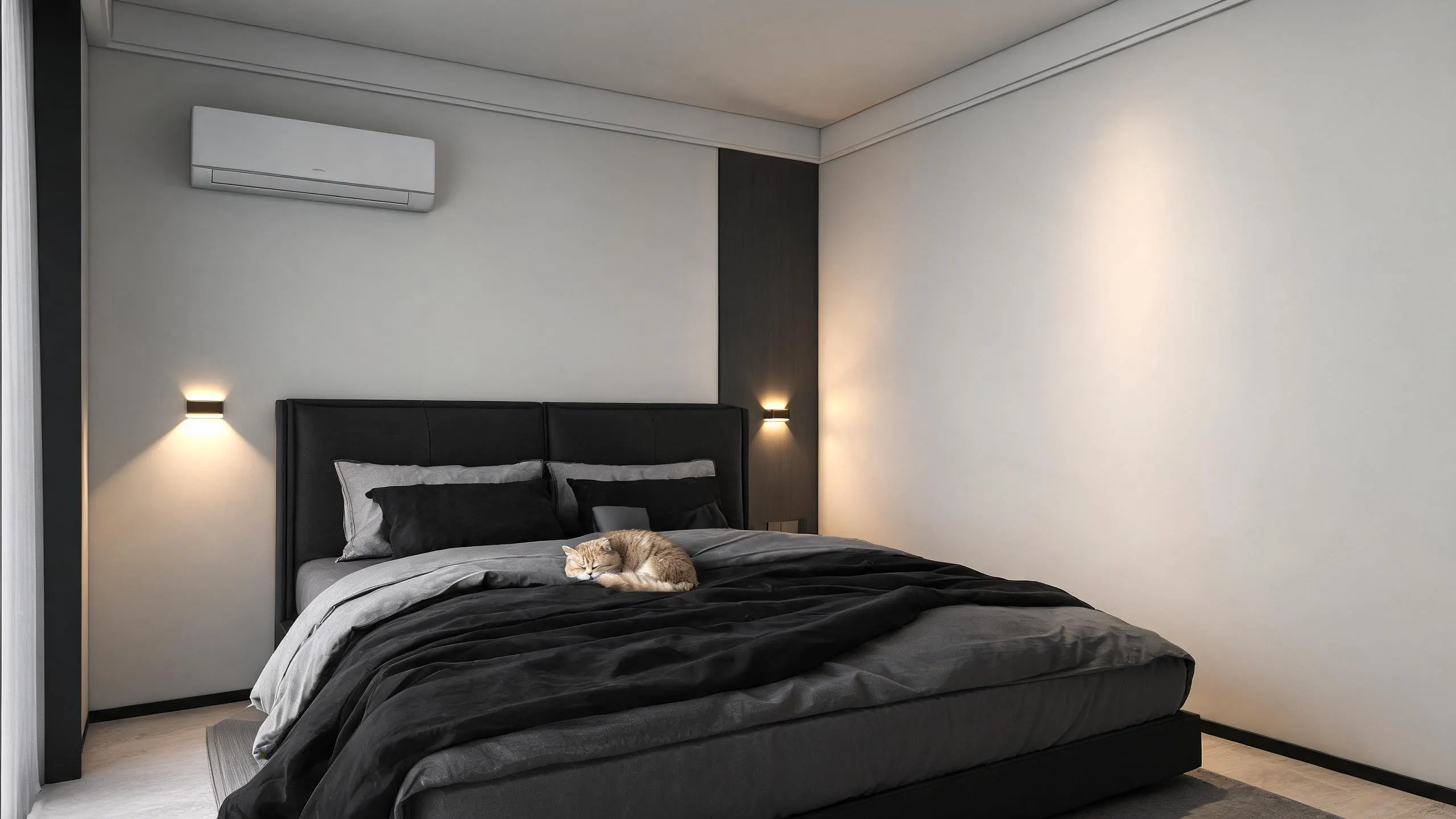
Sizing a mini split comes down to a room by room heat load calculation, not square footage alone. A contractor measures each room, checks window area and orientation, counts exterior walls, and adds it up to a number in BTUs. Skip that step and guess instead, and the system fights the space for as long as it's installed. Too small, and the indoor head runs constantly without ever quite catching up on the hottest afternoons. Too big, and it cools the room fast, shuts off, then kicks back on a few minutes later, which is hard on the compressor and leaves the air feeling damp since the unit never runs long enough to pull moisture out. The right size runs long, steady cycles instead, which is both more comfortable and easier on the equipment over the years it's expected to last.
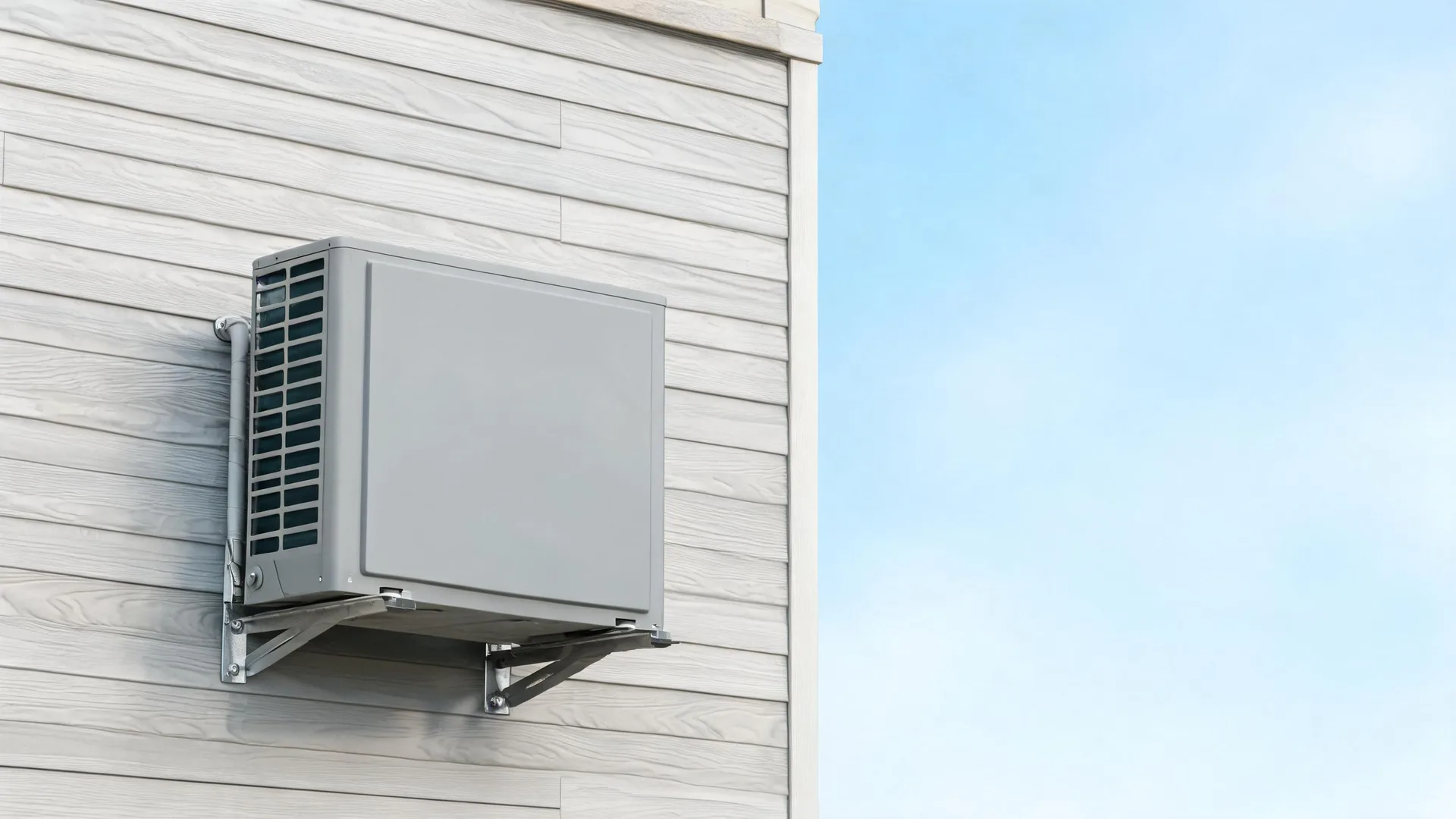
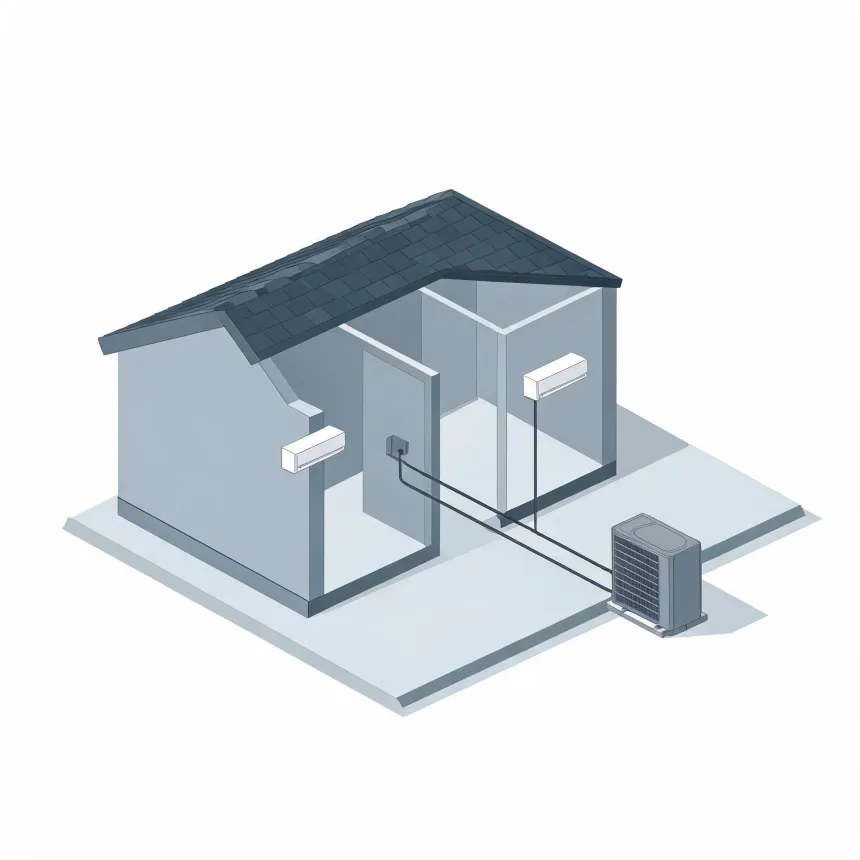
Installation day starts with the line set, the copper tubing that runs refrigerant between the outdoor unit and each indoor head. A contractor drills a small hole through the exterior wall for it, usually behind or near where the indoor head will mount, and runs the line set through that opening to the outdoor unit's location. Once both ends are connected, the whole system gets pressure tested before any refrigerant moves through it, which catches a bad connection before it becomes a leak later. After the test holds, the lines get evacuated to pull out moisture and air, then charged with refrigerant to the manufacturer's spec for that line length. The indoor head gets mounted level on its bracket, the outdoor unit gets set on a pad with room around it for airflow, and the electrical connections get made last. Nothing runs until every joint has been checked, because a slow leak at a bad flare fitting is the kind of problem that shows up as poor cooling months down the road, not on install day itself.