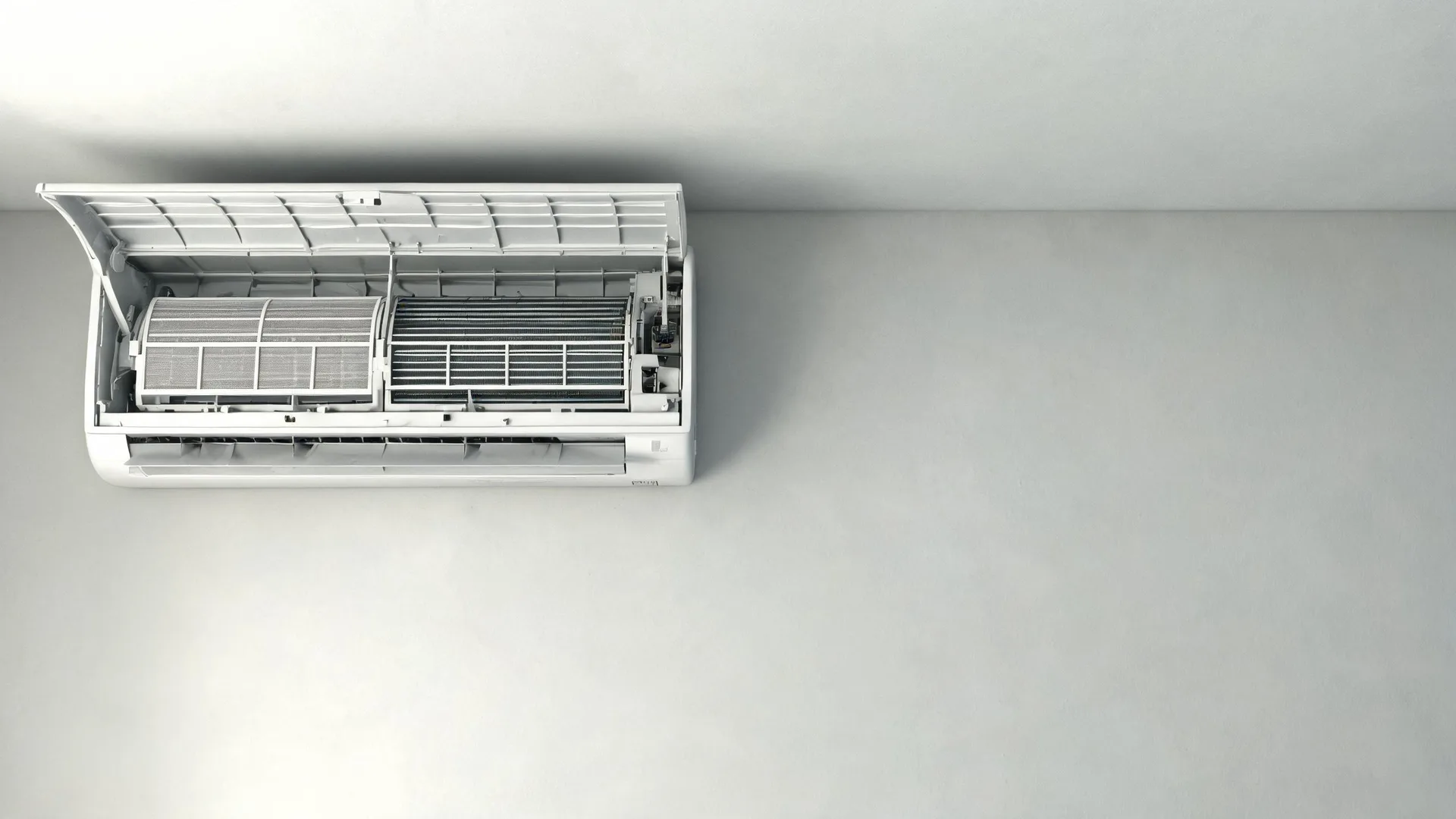
Most homes here run on electric heat
Electricity heats 75.0% of homes in Walker County. A mini split runs on electricity too, and it handles both heating and cooling from the same unit.
Takes about a minute. No obligation.
Electricity heats 75.0% of homes in Walker County. A mini split runs on electricity too, and it handles both heating and cooling from the same unit.
Utility gas heats 14.6% of homes in the county, and propane heats another 7.7%. If your home is part of the electric majority, installing a mini split does not need to work around a gas line.
NOAA nClimDiv, 1991–2020 normals
Homes in Walker County run cooling May through September.
April is the month to put in a new mini split, before the first warm week puts it to work.



Summer here runs about five months, May through September, with afternoons averaging 87°F through June, July and August. That's a normal cooling load, not a heavy one. A standard mini split, sized to the room or zone it's serving, handles it without needing a bigger compressor or a higher capacity unit. The same goes for efficiency. There's no reason tied to this climate to pay for a higher-SEER2 model than what the space calls for. Size it to the room, not to the heat.
A standard mini split, sized right, is built for what this climate asks of it. Georgia homes paid 14.08 cents per kilowatthour in 2024, and that's the number a correctly sized unit keeps in check. Paying more for capacity or efficiency this house doesn't need just adds to that bill without adding comfort.
Find a contractor
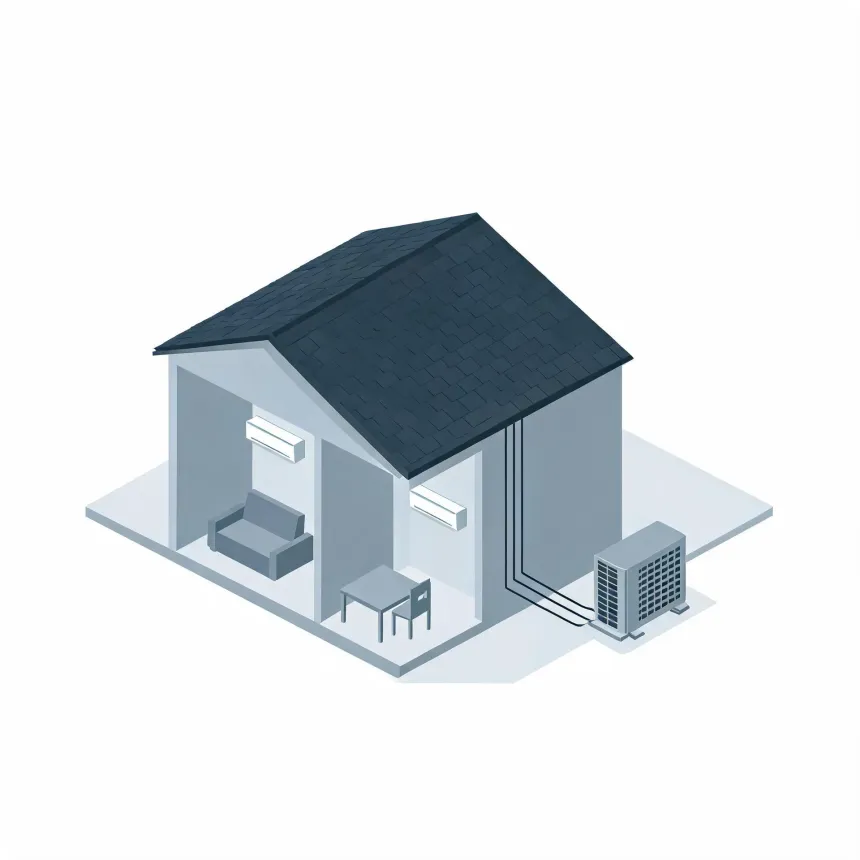
What a mini split costs to put in comes down to what the installer has to do to the walls and the line, not just the unit itself. A single zone, one indoor head tied to one outdoor unit, is the simplest install there is. Add zones and the price moves with it, because each indoor head needs its own line set run back to the outdoor unit, and the outdoor unit has to be sized to carry all of them at once. Where that outdoor unit goes matters too. A short, straight line set run costs less than one that has to snake through framing or cover real distance from the outdoor unit to the room being served. Mounting also plays into it. The condenser needs a pad or bracket that holds it level and clear of the ground, and the indoor head needs a wall section where the line set can pass through cleanly. A crew that hits open framing moves faster than one that has to work around studs or existing finish work. None of this is a flaw in the system. It is just what goes into getting line set, refrigerant, and wiring from one unit to the other correctly.
A mini split system is really a set of indoor heads, each matched to the room it serves. A contractor should size each one off the room it's going into, its windows, its exposure, not divide up one number for the whole house. If nobody asks about individual rooms before quoting a system, that's worth noticing.
One outdoor unit can carry several indoor heads, but it has to be sized for all of them calling for heating or cooling at the same time, not just the biggest room or the average. Ask what happens when every zone is running at once. That answer tells you whether the system was actually planned or just assembled.
The number on the label, SEER2 for cooling and HSPF2 for heating, tells you how much output you get for the electricity you put in. It has nothing to do with how big the unit is or how much space it can handle. A higher rating means lower running cost at the same capacity, not more heating or cooling power. That rating is also measured per zone, on the indoor head and outdoor unit working as a pair, so a multi-zone system can carry different ratings depending on how it's configured. What matters is matching the rating to a correctly sized unit. A high-efficiency unit that's too big for the room cycles on and off more than it should, and that wears on the compressor without saving what the label promises.
Installation day starts with the outdoor unit and where it sits, since every line set gets measured and run from there. The installer drills a wall penetration for each indoor head, runs the refrigerant lines through it, and seals it against weather. Once the lines are connected, the system gets pulled down with a vacuum pump. That step pulls moisture and air out of the lines before any refrigerant moves through them. Skip it, and trapped moisture causes problems well after the installer has left. The indoor head goes up, the outdoor unit gets leveled on its pad or bracket, and the system gets charged to the manufacturer's spec for that line length. Last comes the test, checking airflow at each head and confirming the system holds its charge while it runs.