This county gets hit
Troup County recorded 154 severe weather events between 2015 and 2024. That includes 121 damaging wind events, 24 hail events, and 5 tornadoes.
Takes about a minute. No obligation.
Troup County recorded 154 severe weather events between 2015 and 2024. That includes 121 damaging wind events, 24 hail events, and 5 tornadoes.
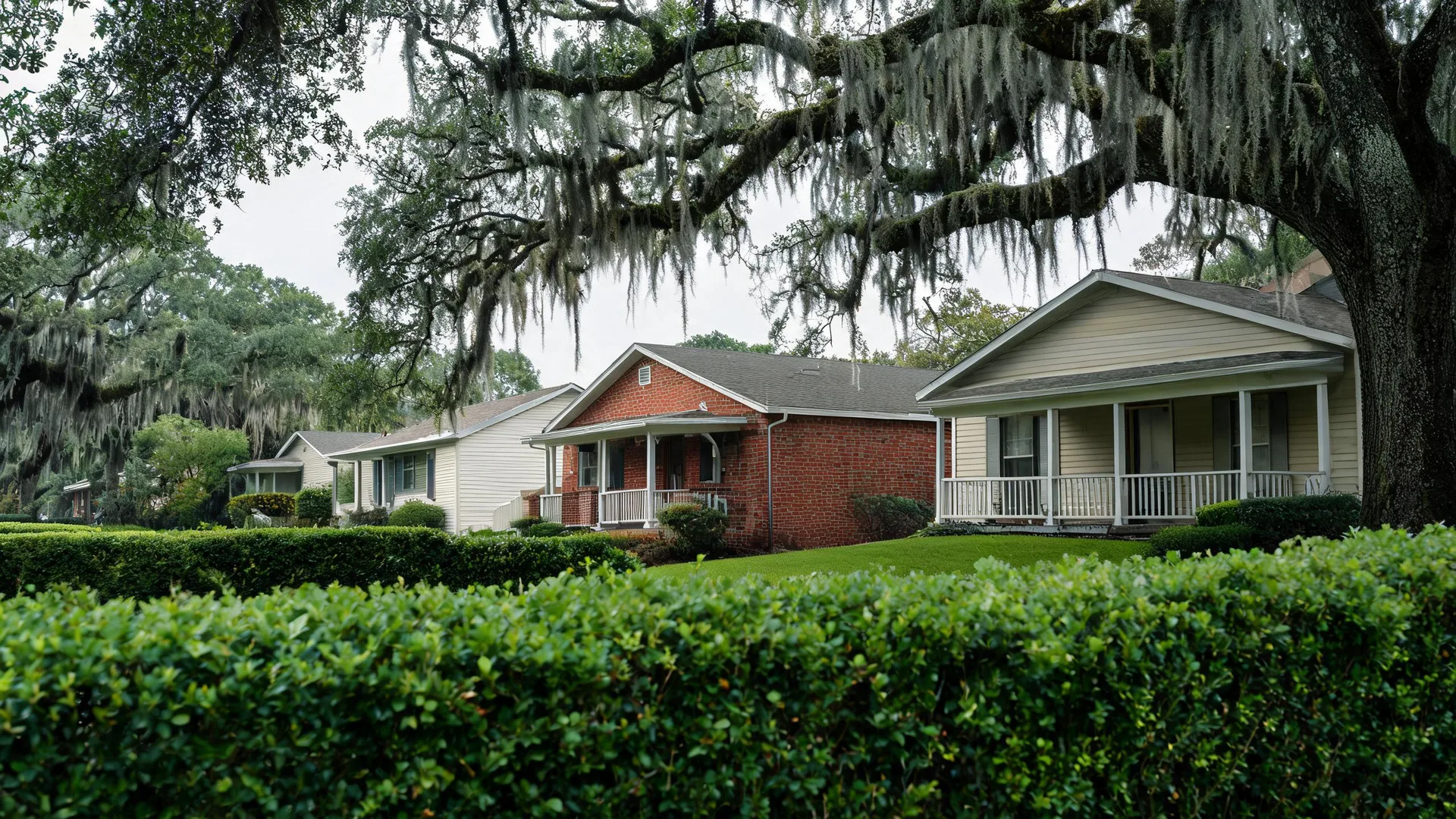
A mini-split's outdoor unit takes whatever comes through the yard, including wind-blown debris and hail. In Georgia, 31% of households went at least 24 hours without power in 2024, and an outage takes your heat or hot water with it.
NOAA nClimDiv, 1991–2020 normals
Summer afternoons in Troup County average 89°F with a dew point of 68°F.
A mini-split here runs long hours against heat and heavy air, so it has to be sized for the job, not just the price tag.



Electricity in Troup County ran 14.41 cents per kilowatt-hour in 2025. A mini-split that's sized and installed right earns that back by using less power to move the same heat. Oversized or poorly matched equipment cycles on and off more than it should, and every one of those cycles draws power without doing much work. The efficiency rating on the unit only holds up if the installation matches the space, the right line set, the right charge, the right placement. Get that wrong and you're paying LaGrange power rates to run a system working harder than it needs to.
Ask the installer where the outdoor unit will sit before the job starts. A spot with some cover, away from the fence line or the open yard, gives it a better chance when wind or hail comes through. Ask too what happens to your heat and hot water if the power goes out, and what options exist to keep the system running through one. That's a conversation worth having at installation, not after a storm.
Find a contractorCooling runs May through September here, about five months. April is the month to get a mini-split installed, before the first warm week sends everyone else to the phones at once. Winters stay mild, with overnight lows averaging 35°F through December, January and February, so the unit works most of the year either way. Installing ahead of May means the install happens when the installer has time to size it right and site the outdoor unit with care, not squeezed in between other jobs on the first hot day.
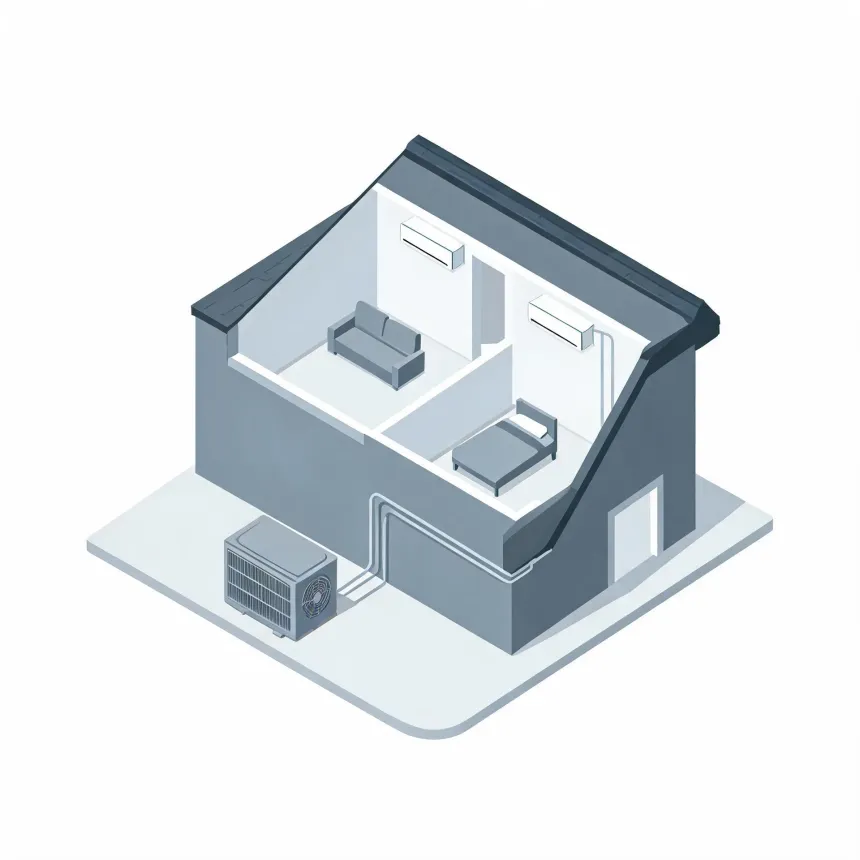
A single indoor head costs less to install than a system feeding several rooms. Each added zone means another air handler, another run of line set and another spot on the outdoor unit's capacity. A house that needs two or three zones to cover it is a bigger job than one room with a single head, no matter how the brochure prices look.
The outdoor unit connects to each indoor head through a line set carrying refrigerant, and that line has to run through a wall and across whatever distance separates them. A short, straight run through an exterior wall is quick work. A run that has to cross the attic, drop through a chase, or cover real distance to reach the outdoor unit takes more time and more material, and that shows up in the job.
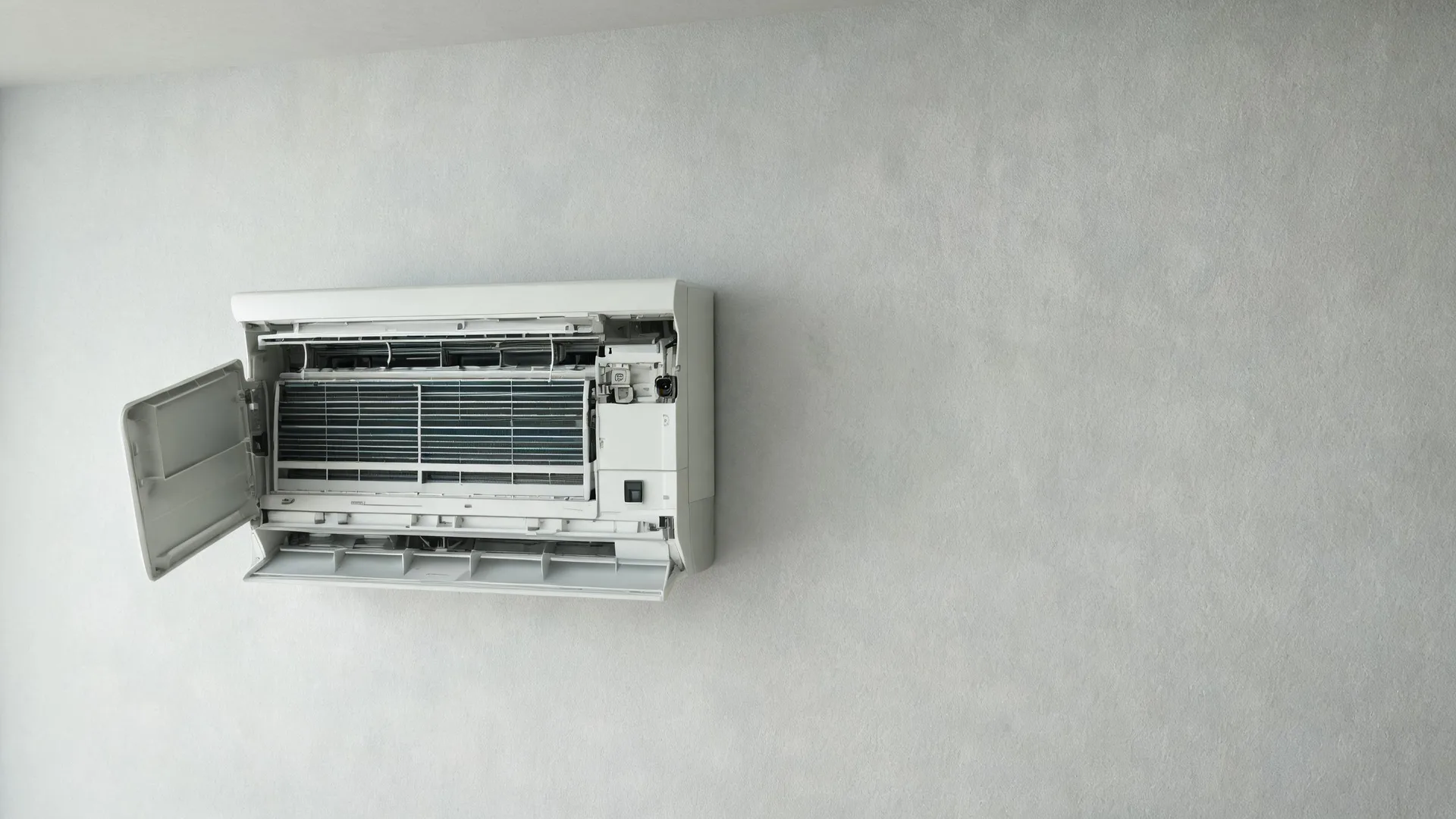
A mini-split has to be sized to the room it's cooling and heating, not guessed at. Too small and it runs constantly, struggling to catch up on the hottest and coldest days, and never quite gets there. Too big and it cools the air fast without pulling the moisture out, so the room feels clammy even after the thermostat's satisfied, and the compressor short-cycles on and off in a way that wears it down faster. Getting it right means working out the heat gain and heat loss for that specific space: the square footage, ceiling height, window area and sun exposure, how well it's insulated, even what's on the other side of the walls. That load calculation is what tells the installer which unit to put in, not the size of the room next door or a rule of thumb off the box. Skip that step and the equipment can be a perfect match on paper and still perform badly in the room it's actually in.
Troup County falls in climate zone 3A under the 2021 energy code, warm and humid with a long cooling season. Any mini-split put in now has to meet the federal minimum for that kind of system: at least 14.3 Btu of cooling for every watt-hour of power it uses, and at least 7.5 Btu of heating for every watt-hour on the heating side, if it was built on or after January 1, 2023. That's not a ceiling. Plenty of units on the market clear it by a wide margin, and some installers will talk through options that beat the minimum by enough to matter over the unit's lifetime. The standard doesn't treat ductless systems as a separate category, so a mini-split has to hit the same split-system numbers as any other heat pump sold here.